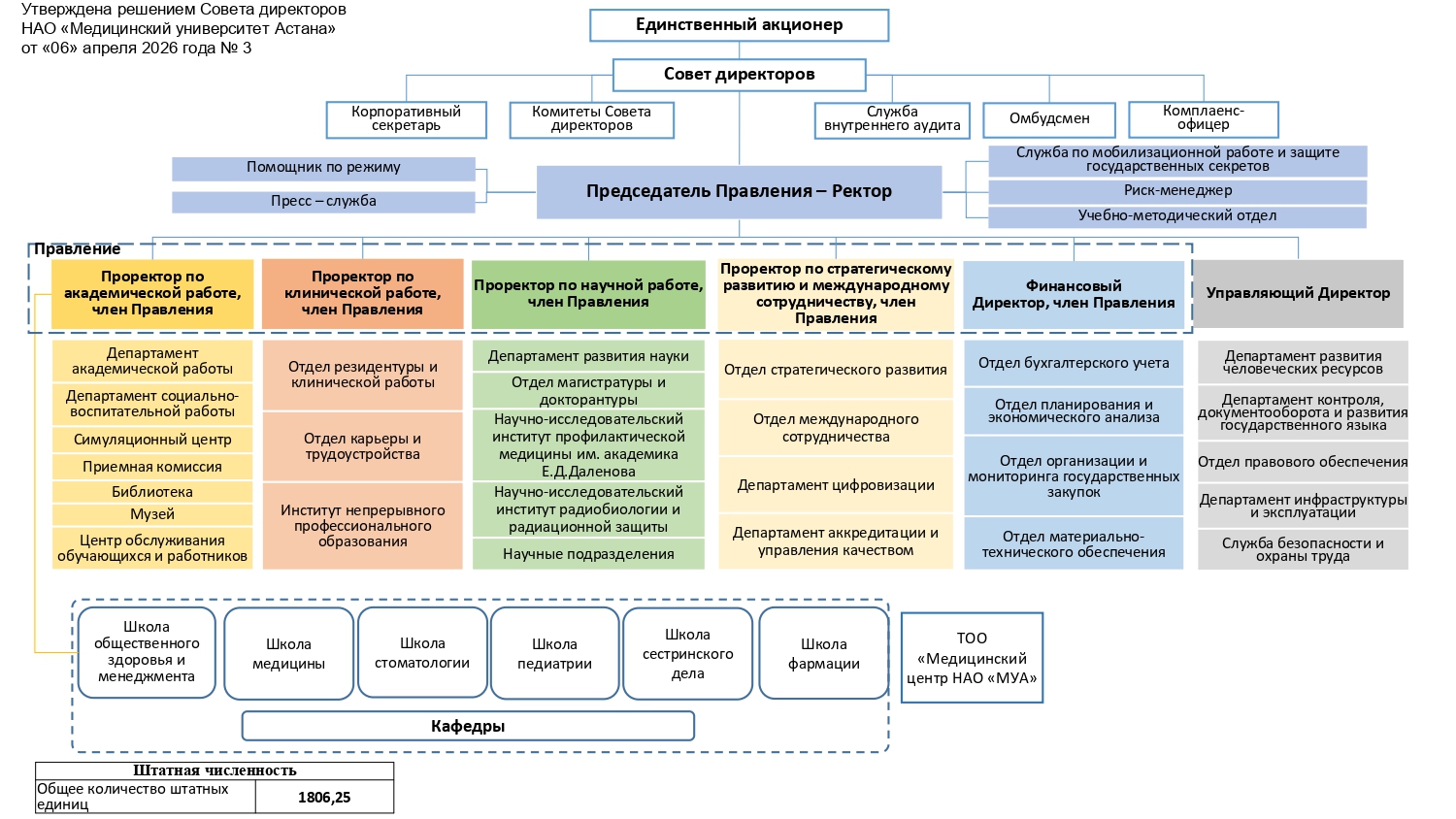
Astana Medical University has completed a scheduled internal audit of its departments and structural divisions aimed at further improving the internal quality assurance system in education and enhancing the efficiency of management processes.
The audit was conducted from April 14 to April 30, 2026, in accordance with Order No. 35-10/146 dated April 3, 2026, issued by the Chairman of the Board – Rector. The main objective of the audit was to assess the University’s compliance with the requirements of the international standard ISO 9001:2015, as well as the Standards and Guidelines for Quality Assurance in the European Higher Education Area (ESG).
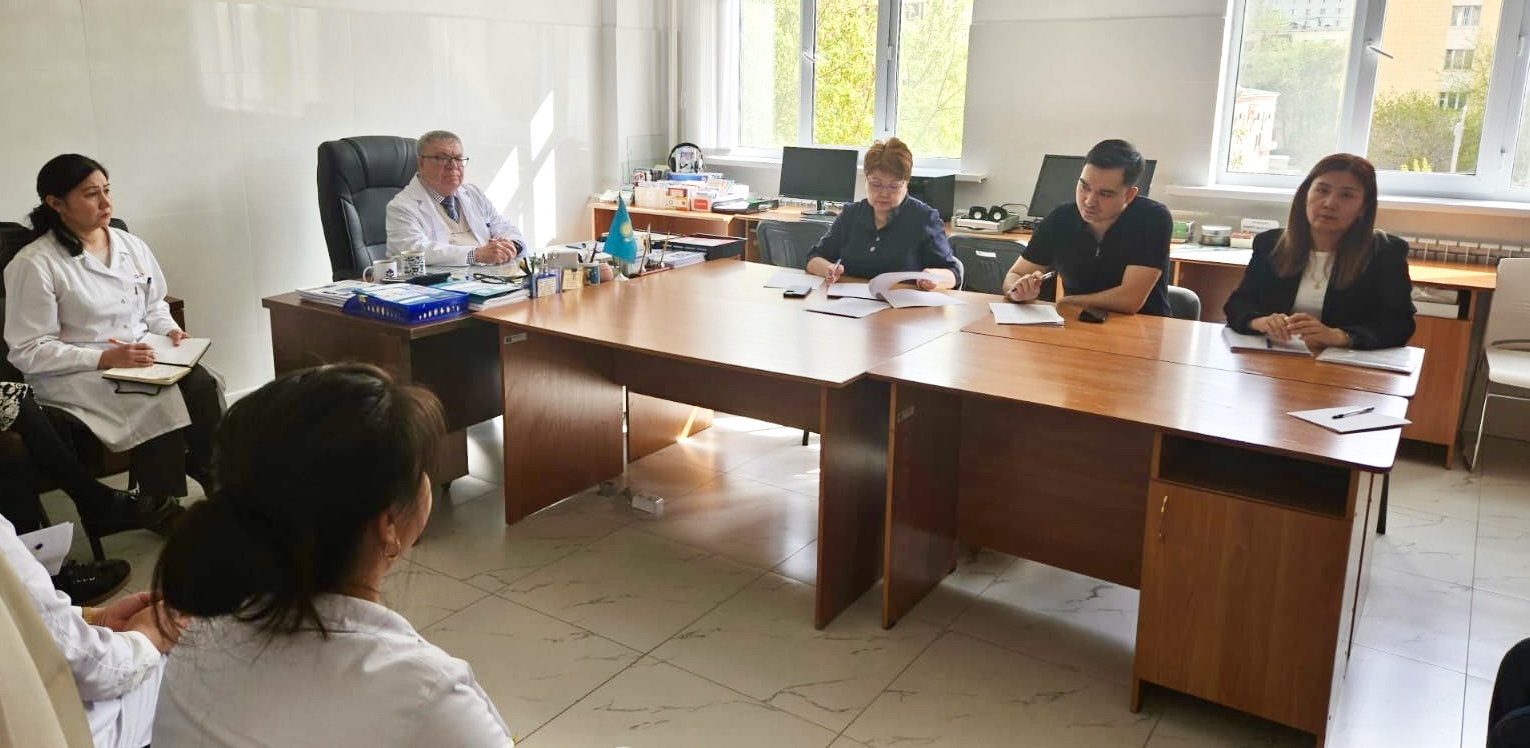
The preparation for the audit was organized by the Department of Accreditation and Quality Management. For the audit process, an audit program, a detailed schedule, and questionnaires were developed, and a working meeting with members of the internal audit group was conducted.
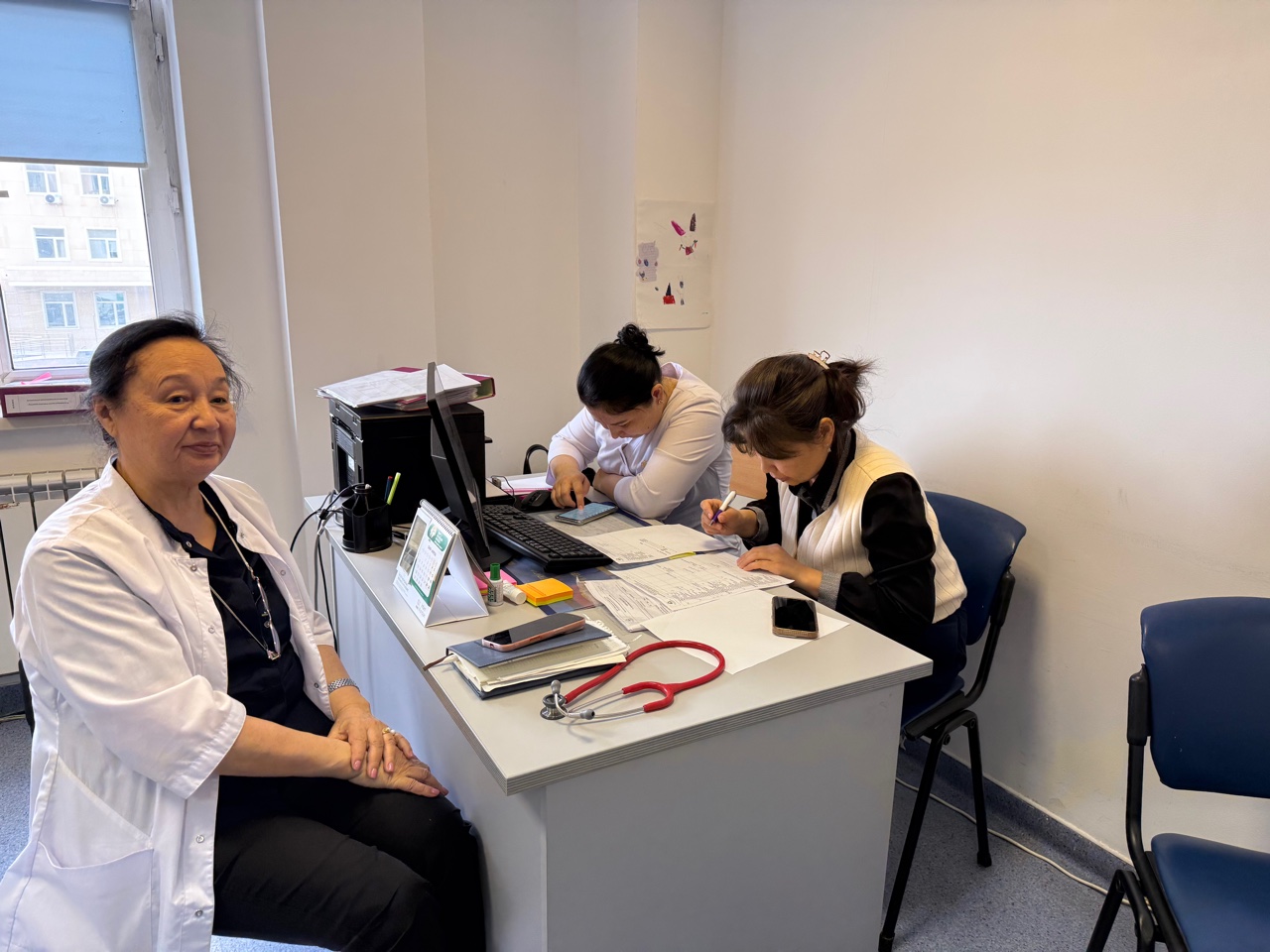
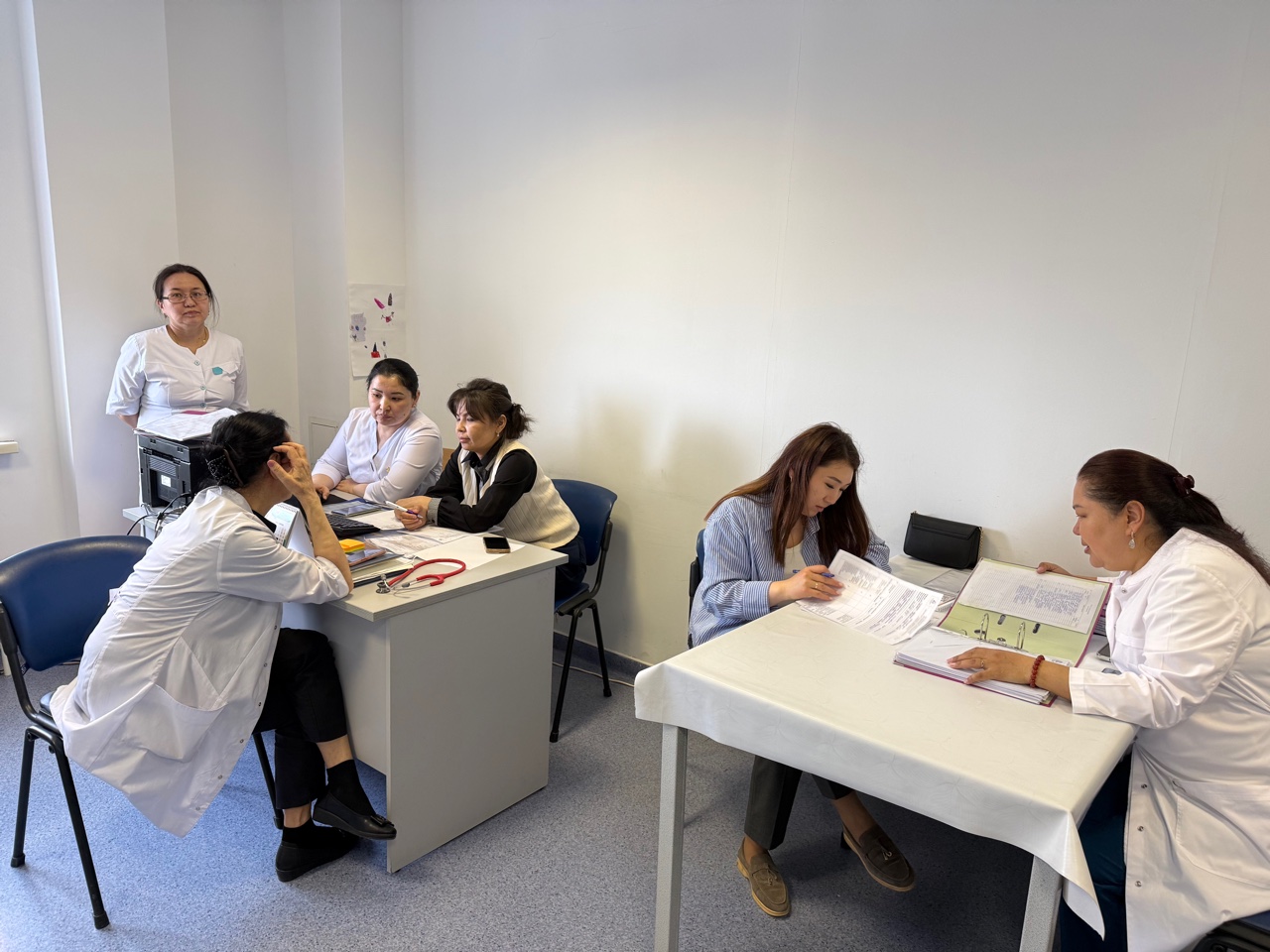
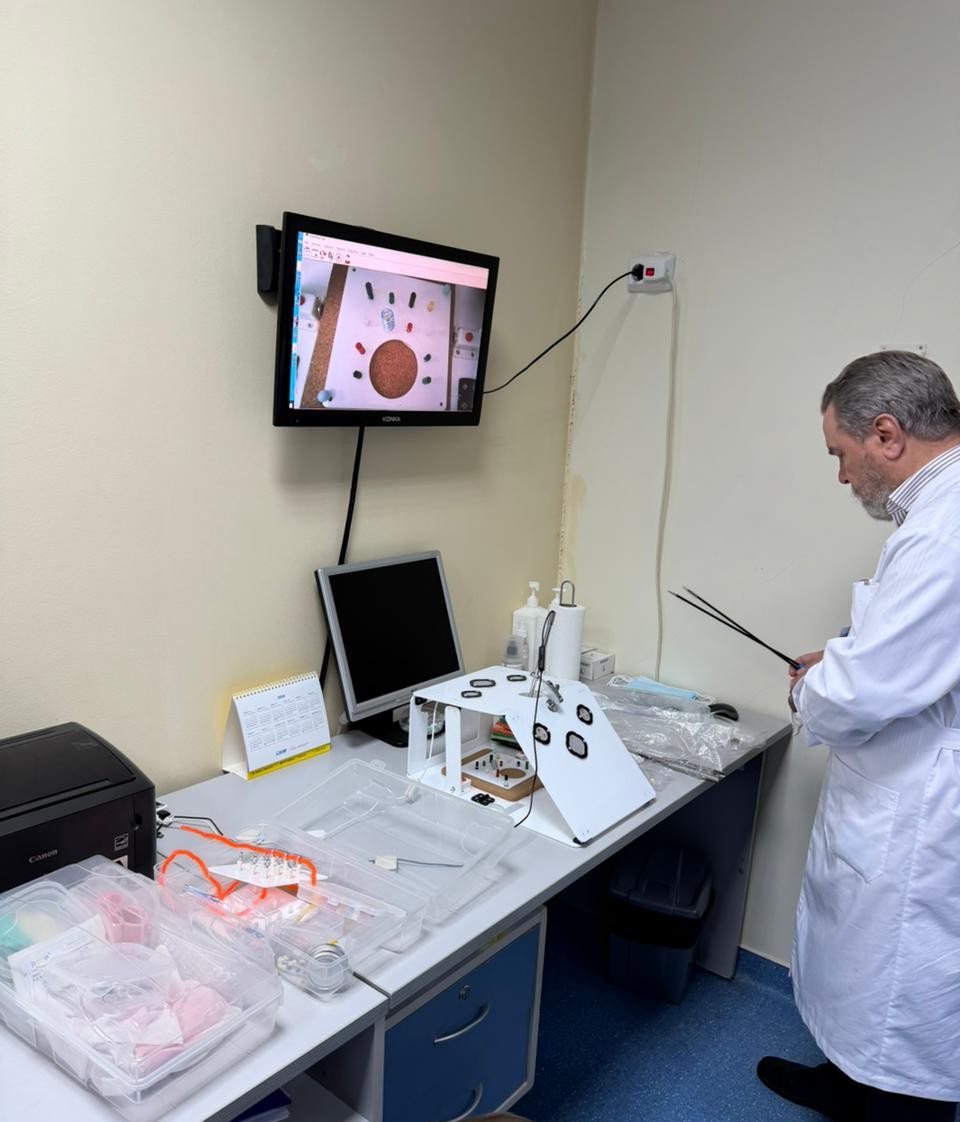
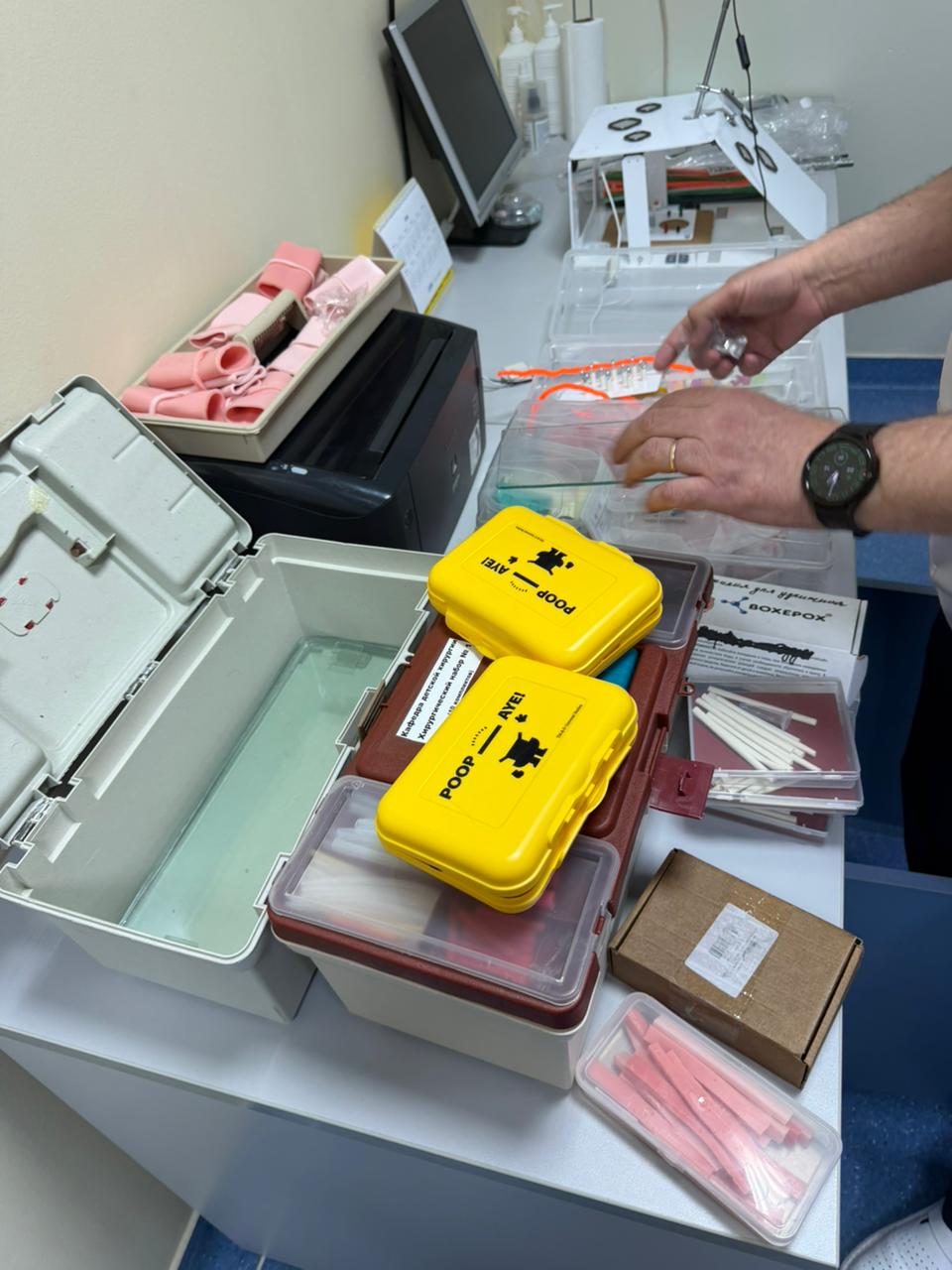
The audit covered all key areas of activity of departments and structural divisions. During the audit, methods such as interviews, document analysis, observation, data collection and evaluation, as well as assessment of compliance with internal and external regulatory requirements were applied. The work was carried out in accordance with the principles of objectivity, transparency, and independence.
According to the audit results, it was established that the University’s internal quality management system functions steadily and demonstrates a high level of organizational readiness. The main processes - from administration and planning to documentation management and performance evaluation - are implemented in accordance with established requirements and are provided with the necessary resources.
No significant nonconformities that could affect the stability of the quality management system were identified. At the same time, members of the audit group provided recommendations for the further improvement of certain processes. Deadlines for the preparation and implementation of corrective actions were determined for the structural divisions.
Particular attention was recommended to be given to the development of digitalization processes, integration of information systems, and improvement of the effectiveness of performance evaluation of structural divisions.
The conducted audit became an important stage in strengthening the internal quality assurance system and confirmed the University’s readiness for further development in accordance with international requirements and modern educational practices.