Astana Medical University has successfully concluded the Summer School 2026 organized by the Department of General and Biological Chemistry, an educational initiative that has become a well-established platform for introducing school and university students to modern medical science. Each year, the program is updated to reflect the latest scientific advances, the university's educational opportunities, and the interests of participants, combining career guidance, hands-on training, and research experience.
The Summer School 2026 was designed and organized by Senior Lecturers of the Department of General and Biological Chemistry Bakhyt Igenbayeva, Saniya Dyusekeyeva, and Pernegul Kuzhatova.
Participants included high school students and recent graduates from Astana's leading schools, as well as students from medical colleges and Astana Medical University. The project is implemented through the department's long-standing collaboration with the Republican Physics and Mathematics School (RFMS), Bilim-Innovation Lyceum (BIL), Nazarbayev Intellectual Schools (NIS), NURORDA School, and Astana Garden School. These partnerships contribute to the early career orientation of future healthcare professionals and promote medical science among young people.
This year's program featured four educational tracks: "Analyst–Smart," "Experimental Methodology: In Vivo / In Vitro," "Learning Biochemistry through Advanced Educational Approaches," and "Modern Instrumental Methods of Analysis in an Accredited Laboratory of the Center for Sanitary and Epidemiological Expertise." Practical sessions were conducted in the department's teaching laboratories, the university vivarium, and the Toxicology Laboratory of the Center for Sanitary and Epidemiological Expertise, allowing participants to experience the entire research process—from experimental design to data analysis and interpretation.
The Summer School officially opened under the theme "Science Day." Dinara Utepova, Chief Specialist of the University's Department of Research Development, delivered the keynote lecture "Science in Medicine," introducing participants to current trends in medical research, the university's scientific projects, international research performance indicators, and opportunities available to young researchers.
The first day's program also included visits to the university library, the Simulation Center, and the Museum of Astana Medical University. At the Simulation Center, participants explored advanced technologies used in medical education, took part in simulated clinical scenarios, and practiced essential emergency care and cardiopulmonary resuscitation (CPR) skills. The museum tour provided insights into the history of the university and the development of medical education in Kazakhstan.
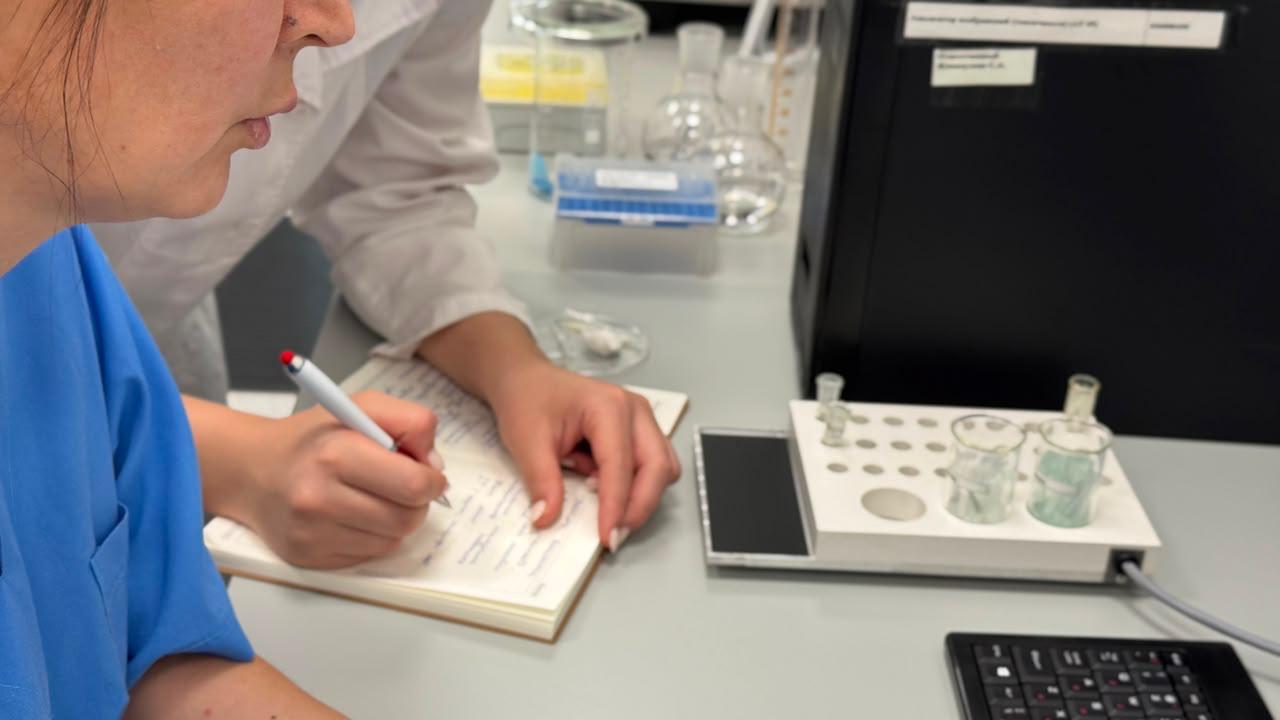
One of the most engaging courses was "Experimental Methodology: In Vivo / In Vitro," led by Senior Lecturer Saniya Dyusekeyeva. The program was coordinated by students Zhanna Gabitova, Bakdaulet Mussylman, and Ramazan Tynys. Over several days, participants learned the fundamentals of experimental design, in vitro and in vivo research methods, and bioethics. They conducted laboratory experiments, measured biochemical parameters, performed statistical data analysis, and presented their own mini research projects. A distinctive feature of the course was that participants independently carried out experiments using modern laboratory equipment.
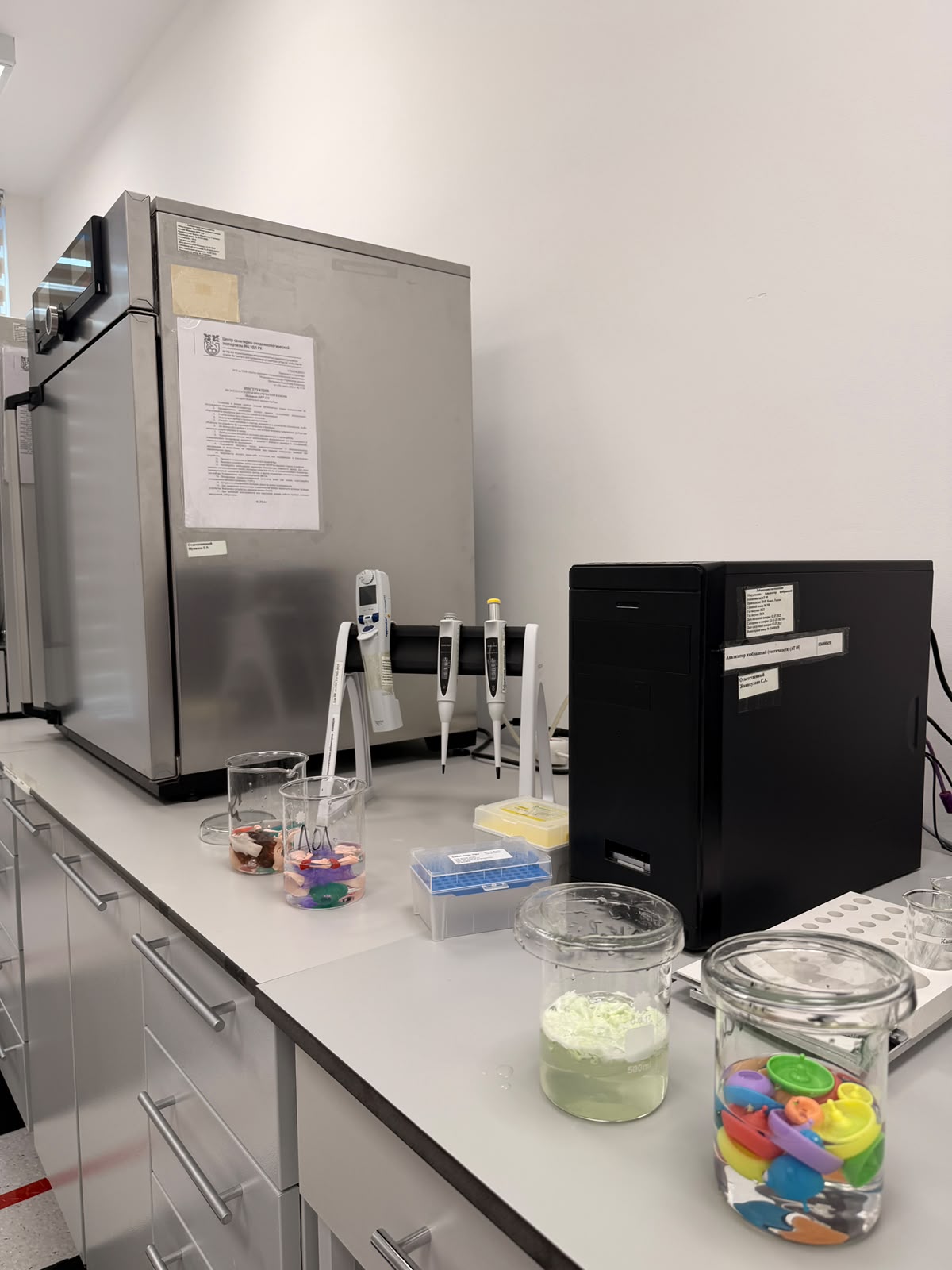
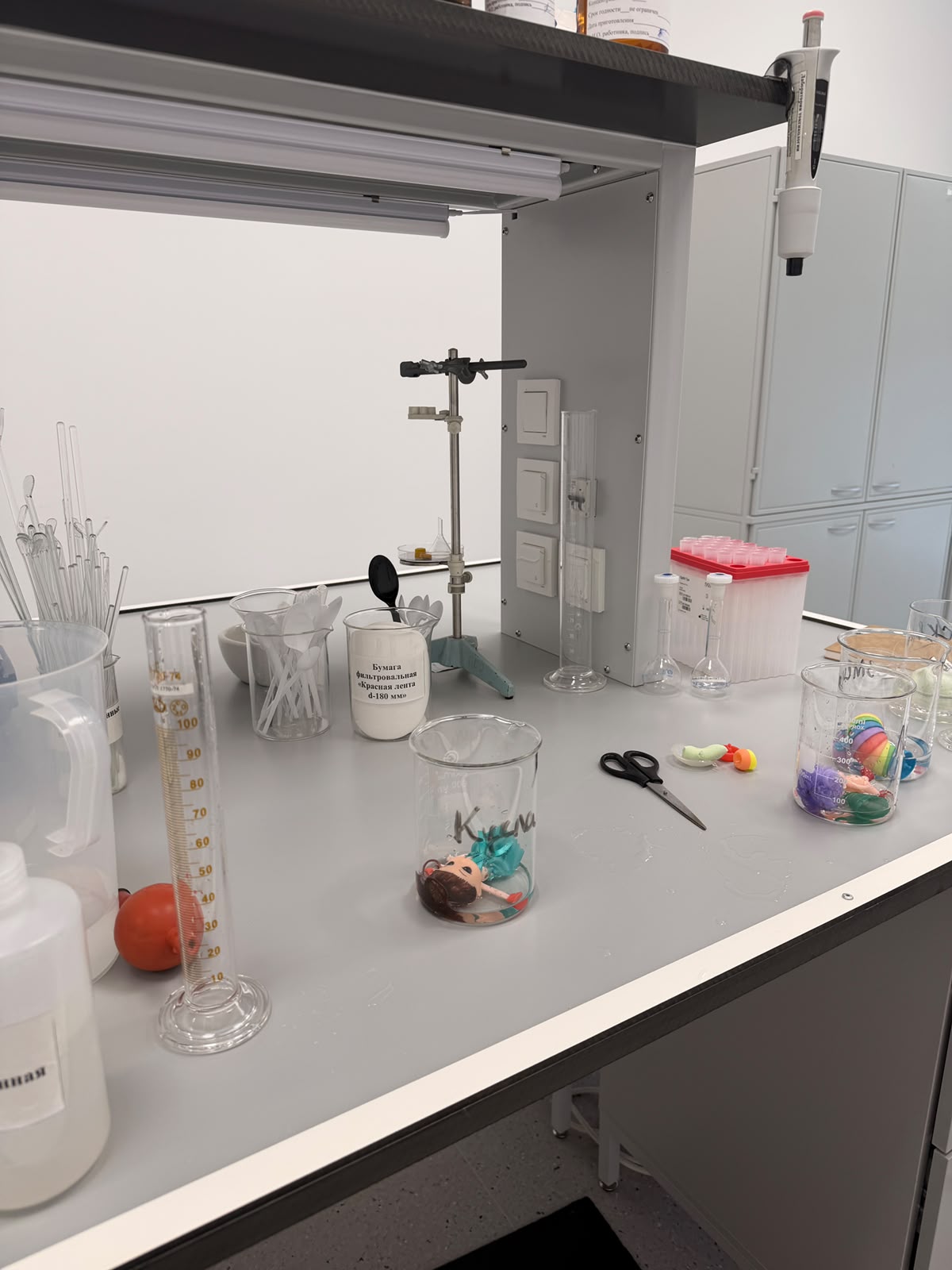
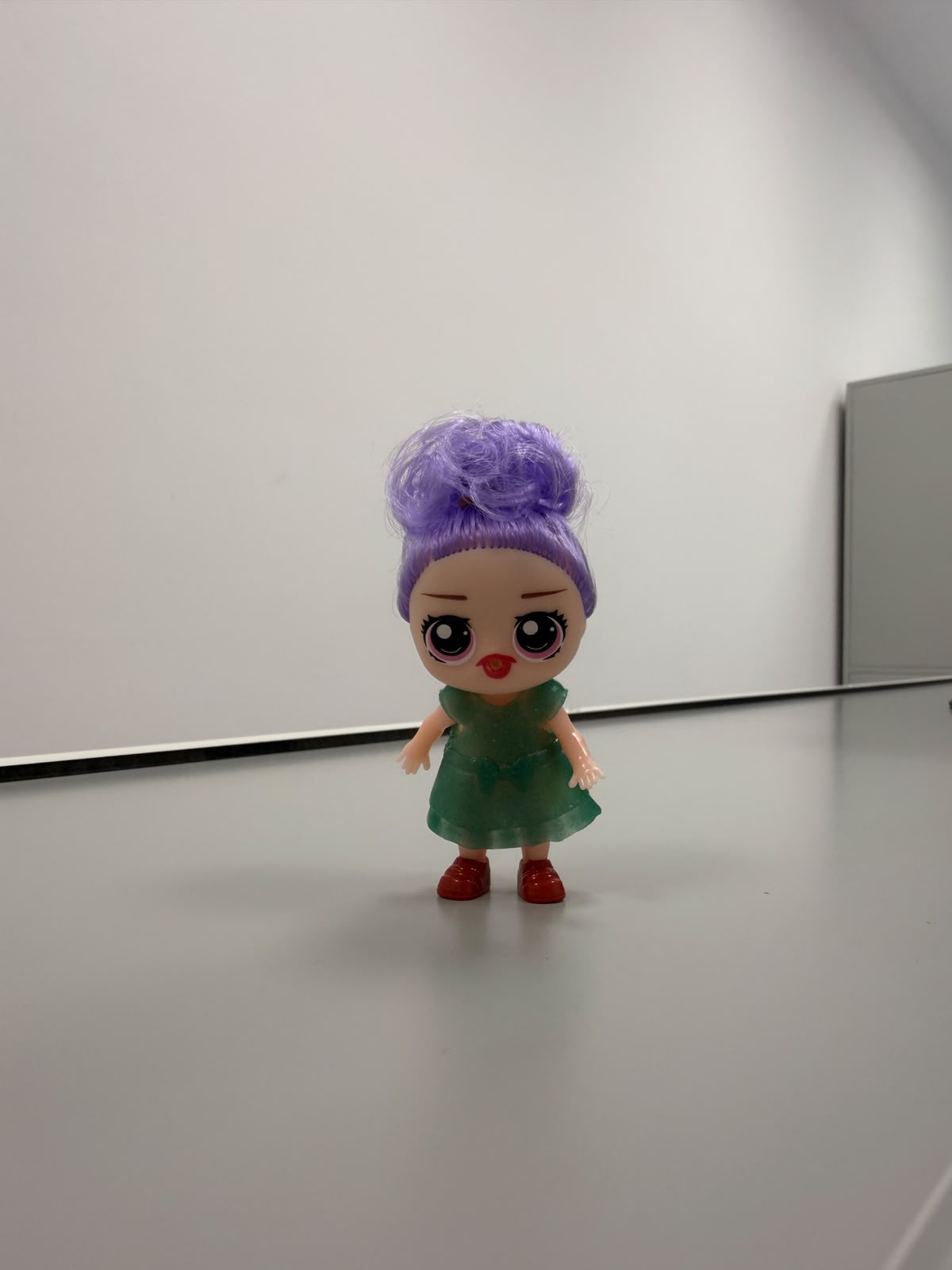
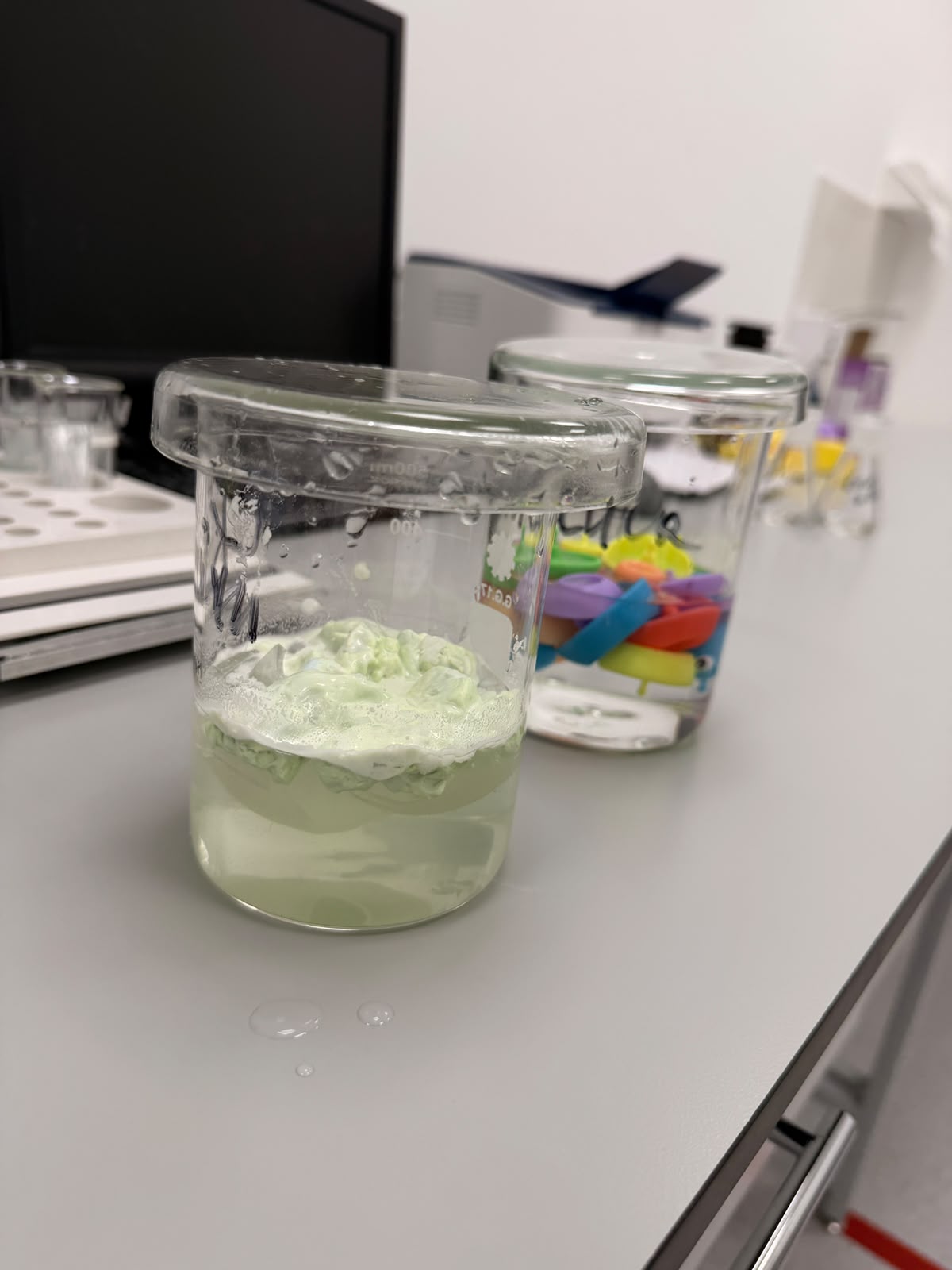
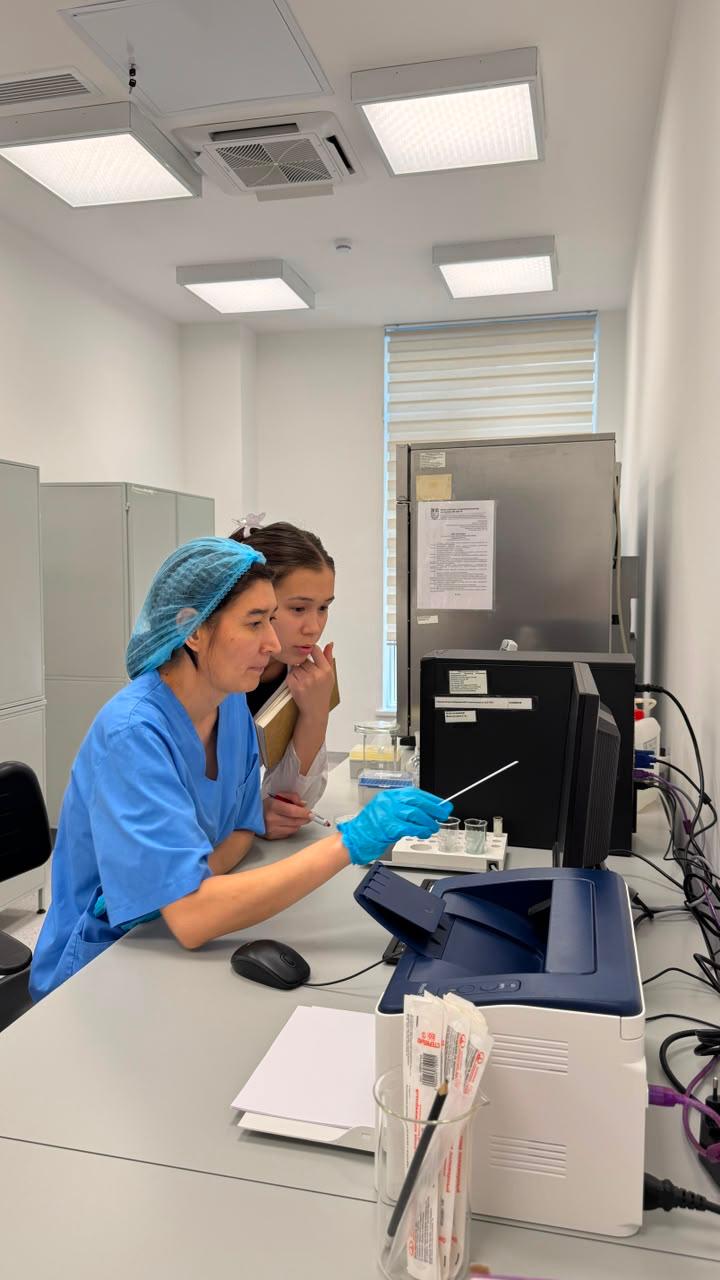
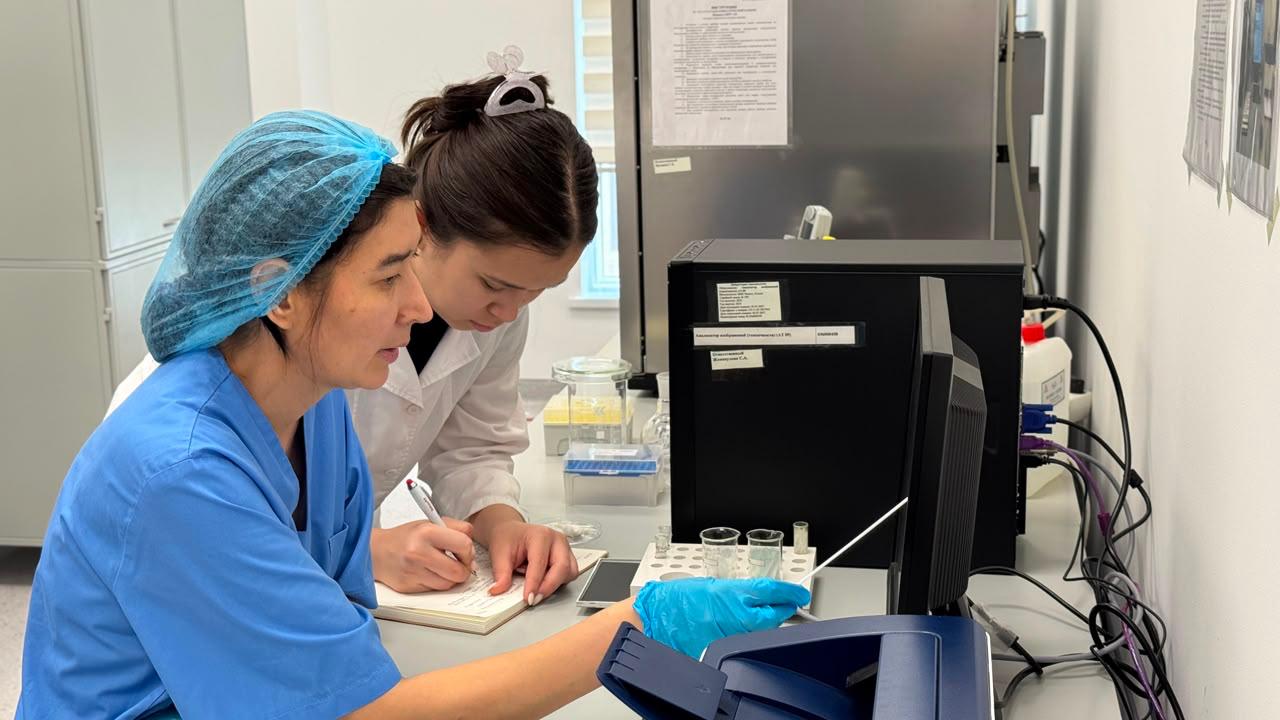
Another key highlight of the Summer School was practical training at the accredited Toxicology Laboratory of the Center for Sanitary and Epidemiological Expertise. Under the supervision of Bakhyt Igenbayeva, Nazym Omargaliyeva, Salamat Zhanikulova, and coordinator Toigul Toktarbay, participants investigated the safety of children's toys by determining the toxicity index using a rapid biotesting method. The findings are expected to be prepared for publication in a scientific journal, representing an important milestone in the participants' first research experience.
Practice-oriented learning continued through the "Analyst–Smart" course, led by Bakhyt Igenbayeva and coordinated by Ainura Nazhimutdinova, a third-year Pharmacy student. Participants gained practical knowledge of analytical chemistry and developed laboratory skills, while the student coordinator acquired her first experience in teaching and organizing educational activities.
A distinctive feature of the Summer School was its peer-mentoring model based on the principle of "students teaching students." Outstanding university students supported participants throughout the program, helping them master practical skills while simultaneously developing their own leadership, teaching, and research competencies.
At the closing ceremony, all participants received certificates, while student coordinators were awarded letters of appreciation. More importantly, the Summer School provided participants with their first independent experience in scientific research, fostered critical thinking, and demonstrated that modern medicine is inseparable from science.
The Summer School of the Department of General and Biological Chemistry once again demonstrated the effectiveness of an educational model that integrates fundamental scientific knowledge, practical training, mentorship, and authentic research experience. Initiatives like this empower future physicians, pharmacists, and researchers to take their first steps toward meaningful scientific discovery.