M140 – Общественное здравоохранение

Уровень образования: магистратура

Направление подготовки: Здравоохранение

Язык обучения:

Сроки обучения:

· 2 года – научно-педагогическое направление

· 1 год – профильное направление

Актуальность программы

Выпускник группы образовательных программ M140 «Общественное здравоохранение» — это специалист, обладающий компетенциями в области анализа состояния здоровья населения, профилактики заболеваний, управления факторами риска и разработки программ укрепления здоровья.

Он способен анализировать демографические и эпидемиологические показатели, разрабатывать и реализовывать программы профилактики заболеваний, применять методы эпидемиологии и биостатистики, участвовать в формировании политики в сфере общественного здравоохранения и обеспечивать межсекторальное взаимодействие для улучшения здоровья населения.


ПОРТРЕТ ВЫПУСКНИКА

Выпускник группы образовательных программ M140 «Общественное здравоохранение» — это специалист, обладающий междисциплинарными знаниями и профессиональными компетенциями в области анализа здоровья населения, профилактики заболеваний, обеспечения санитарно-эпидемиологического благополучия, формирования здорового образа жизни и повышения качества жизни населения на различных этапах жизненного цикла.

Выпускник способен проводить комплексную оценку состояния здоровья населения на основе демографических, эпидемиологических и медико-статистических данных, выявлять факторы риска и детерминанты здоровья, разрабатывать и реализовывать программы профилактики инфекционных и неинфекционных заболеваний, а также участвовать в формировании и реализации политики в сфере общественного здравоохранения.

Специалист обладает компетенциями в области эпидемиологического анализа и мониторинга инфекционных заболеваний, оценки питания населения и разработки программ рационального питания, обеспечения биологической безопасности, а также разработки программ укрепления здоровья и активного долголетия для различных возрастных групп населения.

Выпускник владеет современными методами эпидемиологии, биостатистики, доказательной медицины и анализа данных, способен проводить научные исследования, оценивать эффективность профилактических и медико-социальных программ, принимать обоснованные управленческие и экспертные решения в сфере общественного здравоохранения.

Выпускник готов к профессиональной деятельности в организациях здравоохранения, санитарно-эпидемиологических службах, центрах общественного здоровья, научно-исследовательских организациях, государственных органах управления здравоохранением, международных и общественных организациях, реализующих программы по укреплению здоровья населения и профилактике заболеваний.

В зависимости от направления подготовки магистратуры выпускник может быть ориентирован на научно-исследовательскую и педагогическую деятельность (научно-педагогическое направление, 2 года) либо на практическую и экспертно-аналитическую деятельность в системе здравоохранения (профильное направление, 1 год).


ЦЕЛЕВАЯ АУДИТОРИЯ ПРОГРАММЫ

Выпускники медицинских, биомедицинских и смежных направлений подготовки (бакалавриат) для продолжения обучения в магистратуре.

Специалисты организаций здравоохранения, санитарно-эпидемиологических служб, центров общественного здоровья, научно-исследовательских институтов, аналитических центров и государственных органов управления здравоохранением.

Специалисты, заинтересованные в развитии компетенций в области анализа здоровья населения, профилактики заболеваний, эпидемиологии, питания населения, биологической безопасности и здоровья пожилого населения.

Характеристика потенциальных обучающихся

Потенциальные обучающиеся – лица с медицинским, биомедицинским, биологическим или смежным образованием, заинтересованные в профессиональном развитии в области общественного здравоохранения и профилактической медицины. Обучающиеся ориентированы на развитие аналитических, исследовательских и управленческих компетенций, необходимых для оценки состояния здоровья населения, разработки и реализации профилактических программ и повышения эффективности системы здравоохранения.


КОНКУРЕНТНЫЕ ПРЕИМУЩЕСТВА ОП

Уникальность содержания программы

-     Междисциплинарная подготовка в области общественного здравоохранения, эпидемиологии, нутрициологии, биологической безопасности и геронтологии.

-     Интеграция знаний в области медицины, биостатистики, эпидемиологии, управления здравоохранением и профилактики заболеваний.

-     Ориентация на современные вызовы общественного здоровья, включая инфекционные угрозы, хронические заболевания, старение населения и вопросы биологической безопасности.

Практико-ориентированное обучение

-     Вовлечение обучающихся в практическую деятельность организаций здравоохранения, центров общественного здоровья и санитарно-эпидемиологических служб.

-     Использование реальных медико-статистических данных и кейсов системы здравоохранения.

-     Участие обучающихся в разработке и анализе программ профилактики и укрепления здоровья населения.

Научно-исследовательская направленность

-     Формирование навыков проведения научных исследований в области общественного здравоохранения.

-     Использование методов эпидемиологии, биостатистики и доказательной медицины.

-     Участие обучающихся в научных проектах и исследованиях.

Привлечение работодателей и экспертов

-     Участие специалистов практического здравоохранения в образовательном процессе.

-     Взаимодействие с государственными и научными организациями системы здравоохранения.

-     Привлечение экспертов для проведения лекций, мастер-классов и практических занятий.

Использование современных образовательных технологий

-     Применение цифровых инструментов анализа данных и медицинской статистики.

-     Использование интерактивных методов обучения, кейс-методов и проектного обучения.

-     Развитие аналитических и исследовательских компетенций обучающихся.


Школа общественного здоровья и менеджмента

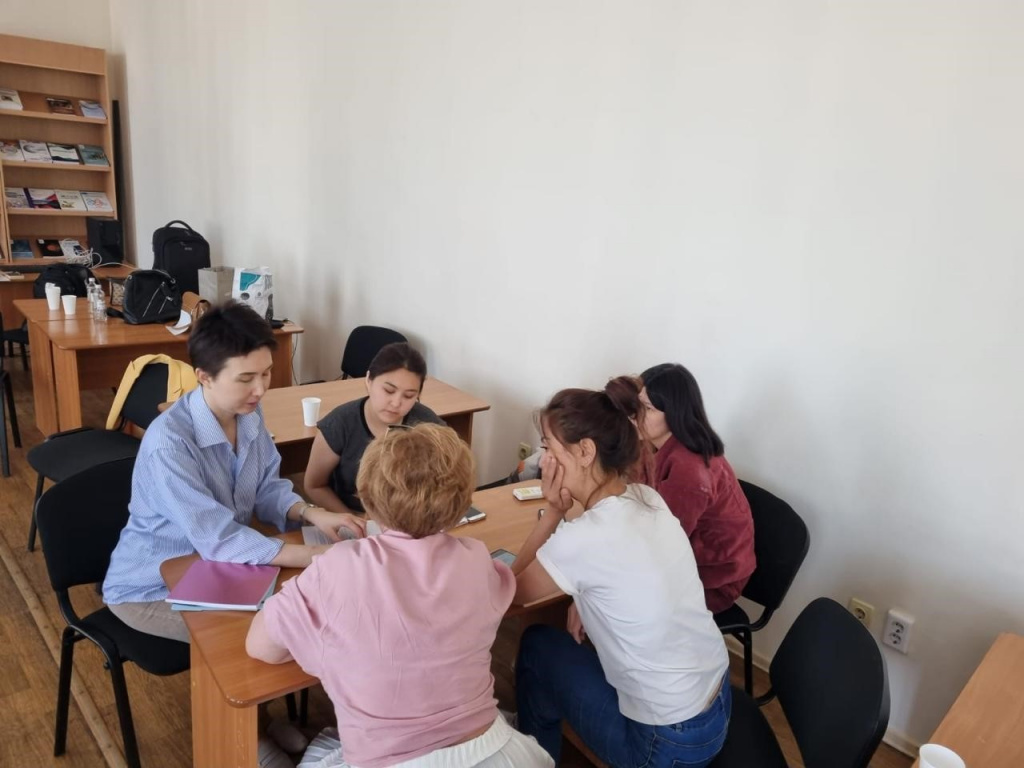
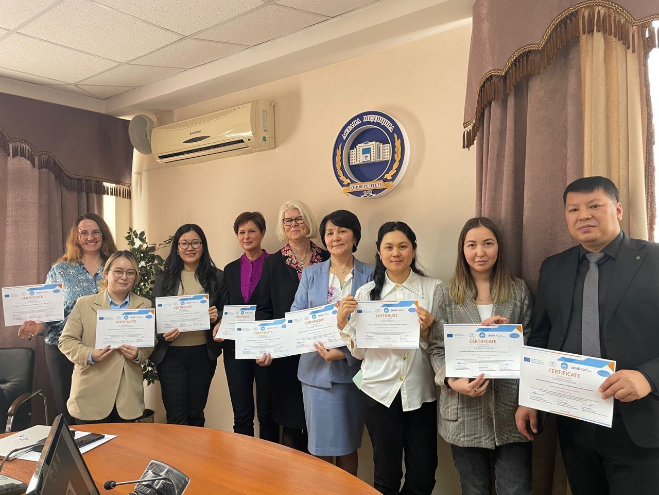
 ФОТО ОБУЧАЮЩИХСЯ (на занятиях, на мероприятиях и т.д.)


4.jpg

M139 – Менеджмент в здравоохранении

Уровень образования: магистратура
Направление подготовки: Здравоохранение
Язык обучения:

Сроки обучения:

· научно-педагогическое направление — 2 года

· профильное направление — 1 год

Актуальность программы

Современные системы здравоохранения требуют эффективного управления медицинскими организациями, рационального использования ресурсов, повышения качества и доступности медицинской помощи. Развитие цифровых технологий, внедрение механизмов финансирования здравоохранения, включая систему обязательного социального медицинского страхования, а также необходимость повышения эффективности деятельности медицинских организаций формируют потребность в специалистах, обладающих компетенциями в области стратегического управления, экономики и организации здравоохранения.

Подготовка специалистов по менеджменту в здравоохранении направлена на формирование управленческих, аналитических и стратегических компетенций, необходимых для эффективного функционирования и развития организаций здравоохранения.

ПОРТРЕТ ВЫПУСКНИКА

Выпускник группы образовательных программ M139 «Менеджмент в здравоохранении» это специалист, обладающий профессиональными компетенциями в области управления организациями здравоохранения, стратегического планирования, анализа эффективности деятельности медицинских организаций и разработки управленческих решений в системе здравоохранения.

Выпускник способен:

· планировать и организовывать деятельность медицинских организаций;

· разрабатывать стратегии развития организаций здравоохранения;

· анализировать медико-статистические, экономические и управленческие показатели деятельности организаций здравоохранения;

· принимать управленческие решения на основе анализа данных и доказательных подходов;

· управлять человеческими ресурсами и организационными процессами в медицинских организациях;

· внедрять системы менеджмента качества и оценки эффективности деятельности организаций здравоохранения;

· участвовать в разработке и реализации политики в сфере здравоохранения.

Выпускник владеет современными инструментами управления, методами анализа данных, медицинской статистики, экономики здравоохранения и доказательного управления, что позволяет ему эффективно решать управленческие задачи в системе здравоохранения.

В зависимости от направления подготовки магистратуры выпускник может быть ориентирован на научно-исследовательскую и преподавательскую деятельность (научно-педагогическое направление, 2 года) либо на практическую управленческую деятельность в организациях здравоохранения (профильное направление, 1 год).

 ЦЕЛЕВАЯ АУДИТОРИЯ ПРОГРАММЫ

-     Выпускники медицинских и управленческих направлений подготовки (бакалавриат).

-     Руководители и специалисты медицинских организаций.

-     Сотрудники органов управления здравоохранением.

-     Специалисты организаций здравоохранения, заинтересованные в развитии управленческих компетенций.

Характеристика потенциальных обучающихся

Потенциальные обучающиеся — специалисты с медицинским, управленческим или смежным образованием, заинтересованные в развитии компетенций в области управления медицинскими организациями, стратегического планирования, анализа эффективности деятельности системы здравоохранения и внедрения современных управленческих технологий.

 КОНКУРЕНТНЫЕ ПРЕИМУЩЕСТВА ОП

Уникальность содержания программы

-     Подготовка специалистов по управлению организациями здравоохранения.

-     Интеграция знаний в области медицины, экономики, менеджмента и организации здравоохранения.

-     Ориентация на современные вызовы системы здравоохранения и реформирование отрасли.

Практико-ориентированное обучение

-     Изучение реальных управленческих кейсов системы здравоохранения.

-     Вовлечение обучающихся в анализ деятельности медицинских организаций.

-     Развитие навыков стратегического планирования и принятия управленческих решений.

Привлечение работодателей и экспертов

-     Участие руководителей медицинских организаций и экспертов системы здравоохранения в образовательном процессе.

-     Проведение мастер-классов и практических занятий с участием специалистов отрасли.

Использование современных образовательных технологий

-     Применение цифровых инструментов анализа данных и медицинской статистики.

-     Использование кейс-методов, проектного обучения и управленческих симуляций.

-     Развитие аналитических и управленческих компетенций обучающихся.


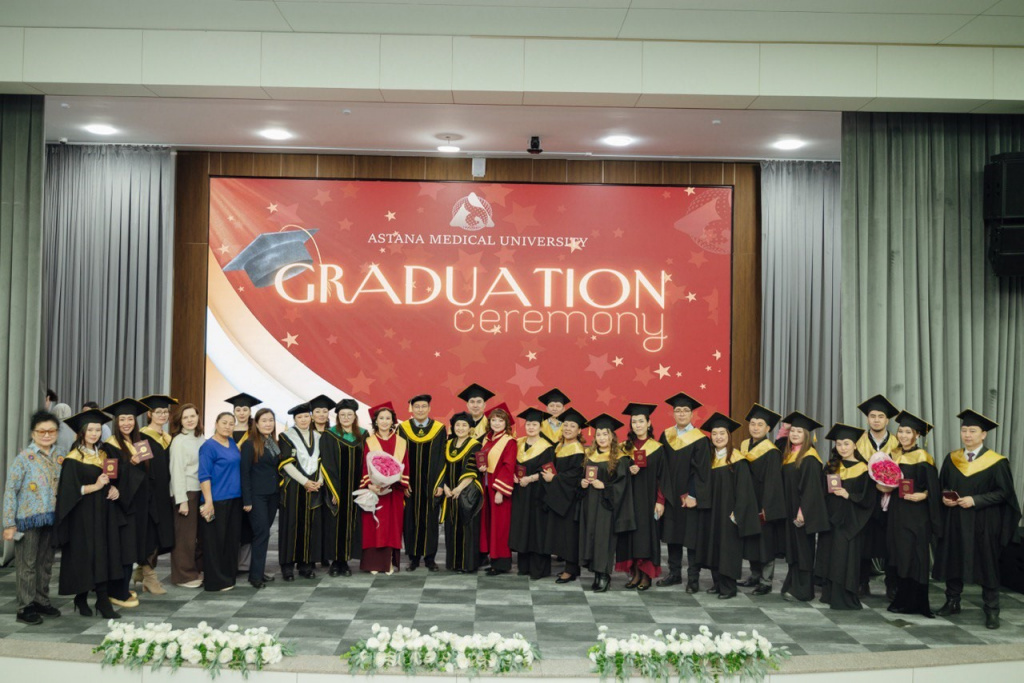
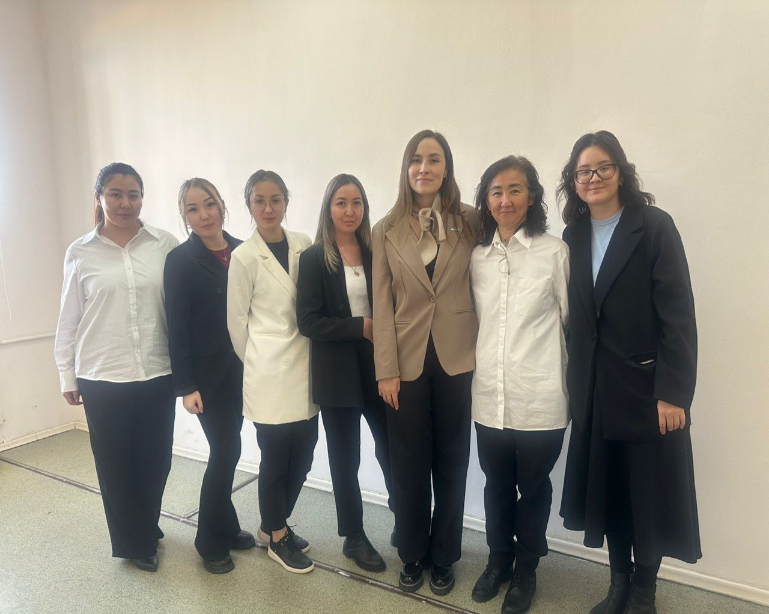
ФОТО ОБУЧАЮЩИХСЯ (на занятиях, на мероприятиях и т.д.)

4.jpg

М080 - Biology

Department of Master’s and Doctoral Studies
Level of education: Master’s degree
Direction of personnel training: 7M051Biological and related sciences
Group of educational programs: М080
Educational program:
7M05101 Biology

Responsible Department/RI: Research Institute of Radiobiology and Radiation Protection
Language of instruction: Kazakh, Russian
Duration of study:
• 2 years – scientific and pedagogical track


1. RELEVANCE OF THE PROGRAM, ITS GOALS AND OBJECTIVES

The relevance of the educational program is determined by the growing social demand for highly qualified specialists with advanced knowledge in radiobiology who are capable of assessing the biological effects of environmental factors, including ionizing radiation, on living systems at different levels of organization.

In the context of the rapid development of the nuclear industry, the widespread use of ionizing radiation sources in medicine, industry, and scientific research, as well as the presence of natural radiation factors, studying the mechanisms of radiation effects on humans, animals, plants, and ecosystems becomes particularly important. Increasing anthropogenic pressure and environmental risks, including radiation contamination, require the training of specialists proficient in modern biological, molecular-genetic, and biomedical research methods to assess and predict the consequences of such exposure.

The educational program aims to train specialists in biology with advanced preparation in radiobiology, capable of conducting research, analytical and expert activities, assessing radiation and environmental risks, and developing scientifically grounded approaches to ensuring biological safety and protecting public health and the environment.

Compliance with the strategic objectives of the university and external requirements: the program integrates modern achievements in biological and biomedical sciences and meets the needs of scientific, environmental, and educational organizations, as well as state policy requirements in radiation and environmental safety.

Program goal

To train specialists in biology with advanced preparation in radiobiology, possessing fundamental knowledge of the functioning of living systems and the biological effects of environmental factors, including ionizing radiation, capable of assessing their impact on humans, animals, plants, and ecosystems, and applying modern biological and biomedical research methods.

Program objectives

  1. To ensure a deep understanding of fundamental principles governing the functioning of living systems and mechanisms of biological effects of environmental factors.
  2. To teach modern biological, molecular-genetic, and biomedical research methods.
  3. To prepare graduates for research, analytical, and expert activities in radiobiology and ecology.
  4. To develop skills in assessing radiation and environmental risks and designing biological and environmental safety measures.


2. LABOR MARKET ANALYSIS

Graduates of the educational program 7M05101 – Biology with advanced training in radiobiology are in demand in research institutes, health-care organizations, sanitary and epidemiological services, environmental and radiation hygiene laboratories, as well as educational institutions. An additional factor driving demand is the construction of a nuclear power plant in the Republic of Kazakhstan, increasing the need for specialists capable of conducting radiation monitoring, health risk assessment, and environmental monitoring.

Graduate employment over the last three academic years (2021–2025) is 100%, indicating a high level of professional training and strong demand for specialists in the labor market.

Graduate employment statistics


Academic year


 2022-2023  

  2023-2024 

 2024-2025 

Total graduates

4

1

2

Employed

4

1

2

%

100%

100%

100%


            Currently, Kazakhstan experiences a shortage of qualified specialists in radiobiology, radiation hygiene, and molecular biology. The development of the nuclear energy sector further increases workforce demand. The shortage of specialists is determined by the complexity of training, the interdisciplinary nature of knowledge, and the limited number of specialized educational programs. No workforce surplus is observed in this field.

Considering the development of the nuclear industry, environmental monitoring, biomedical technologies, and the future commissioning of a nuclear power plant, a steady increase in demand for such specialists is expected.

Promising areas include:

  1. radiation and environmental safety
  2. molecular and genetic diagnostics
  3. bioinformatics and biological data analysis
  4. radiobiological support of medical and nuclear technologies
  5. assessment of radiation risks to public health

New professional niches are emerging: radiation safety specialist, radiation risk expert, radiobiologist, molecular biology researcher, biomonitoring and environmental assessment specialist.

3. INTERNATIONAL EXPERIENCE IN SPECIALIST TRAINING

The educational program 7M05101 – Biology is focused on training specialists in radiobiology, molecular biology, biotechnology, genetics, biomedicine, laboratory research, and scientific research activity. In structure, content, and competency model, the program is comparable to master’s programs of leading foreign universities in Life Sciences and Radiation Biology.

Similar programs are offered at:

  • University of Oxford — MSc Radiation Biology (Medical Sciences)
  • University of Helsinki — MSc Life Science
  • Wageningen University & Research — MSc Biology
  • University of Glasgow — MSc Biomedical Sciences
  • Technical University of Munich — MSc Radiation Biology (Medical Physics)
  • University College London — MSc Cancer Biology
  • Hiroshima University — MSc Radiation Biology

These programs demonstrate a high level of training in biology, radiobiology, and biomedicine and serve as benchmarks for developing the national educational program.


Features of structure and teaching approaches

  1. Research orientation. The program develops research competencies in biology with specialization in radiobiology, including independent research on biological effects of ionizing radiation, preparation of scientific projects, and presentation of results.
  2. Compliance with modern scientific trends. The program covers key areas of biological sciences (molecular and cellular biology, genetics, microbiology, biochemistry, biotechnology, biophysics) with special emphasis on radiobiology as an interdisciplinary field.
  3. Competency-based approach. The program develops competencies in analyzing the impact of radiation and environmental factors on biological objects, applying modern biological and biomedical research methods, interpreting results, and assessing health and environmental risks.
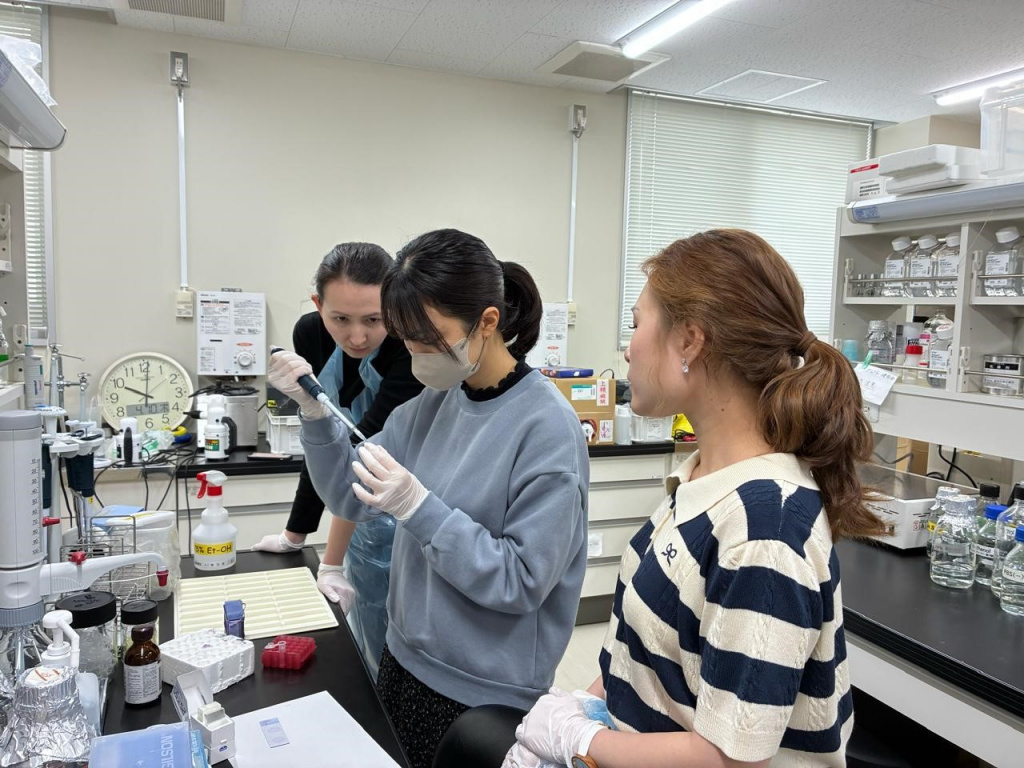
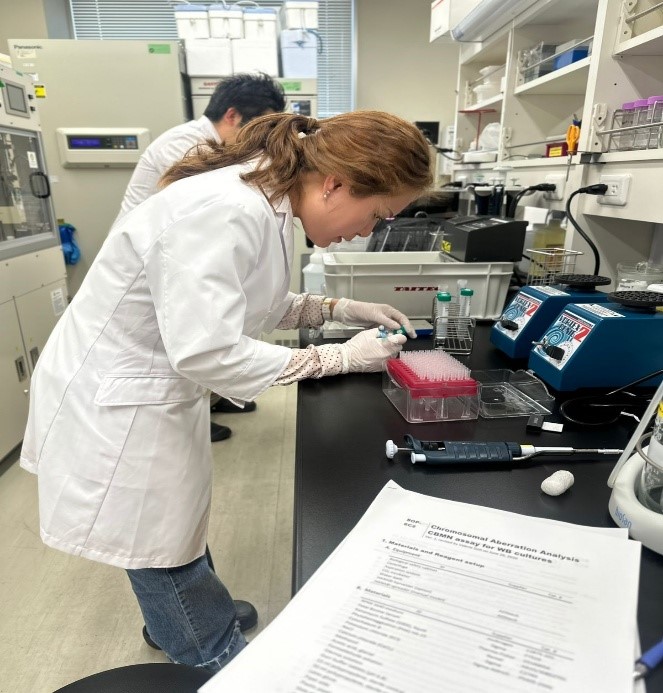
  4. Laboratory and practical training. Students acquire skills in molecular-genetic, radiometric, dosimetric, biochemical, and cellular research methods, working with equipment for assessing radiation exposure and analyzing biological effects.
  5. Program structure. Includes theoretical and specialized disciplines, research practice, scientific research work, and preparation of a master’s thesis.
  6. Academic and professional pathways. Graduates may continue PhD studies or work in research institutes, biomedical laboratories, healthcare organizations, environmental services, and radiation safety structures.
  7. International orientation. The program supports integration into the international academic environment through participation in research projects, conferences, academic mobility, and preparation for international PhD programs.

4. CURRENT SYSTEM OF SPECIALIST TRAINING

An analysis of master’s degree programs in Biology at leading universities in Kazakhstan (Al-Farabi Kazakh National University, L.N. Gumilyov Eurasian National University, Kazakh National Medical University, Kazakh-American Free University) shows that most programs focus on general fields such as molecular biology, genetics, microbiology, and biotechnology. Practical training in these programs is limited to basic laboratory skills, while systematic study of radiation effects and radiobiology is generally absent.

The educational program 7M05101 – Biology at Astana Medical University is distinguished by:

  • advanced training in radiobiology, including assessment of the effects of ionizing radiation on humans, animals, plants, and ecosystems;
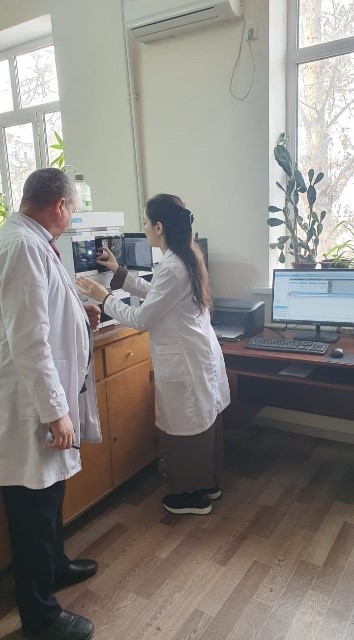
  • practical training in specialized laboratories and work with high-tech equipment (mass spectrometry, molecular-genetic and biophysical methods);
  • mandatory research activities incorporating elements of radiobiology;
  • a competency-based learning approach, including data analysis, interpretation, and academic communication;
  • a transparent assessment system using electronic platforms and standardized evaluation criteria.

The program develops specialists with unique competencies востребованные in research institutes, biomedical laboratories, environmental organizations, and the nuclear energy sector, which distinguishes it from other master’s programs in Biology in Kazakhstan.


5. GRADUATE PROFILE

Block

Descriptors

Personal qualities

Responsibility, ethical conduct, and commitment to the principles of academic integrity; initiative; ability for self-reflection; readiness for continuous professional development and lifelong learning; orientation toward scientific inquiry and innovation.

General competencies

Critical and systems thinking; ability to analyze and synthesize scientific information; effective oral and written communication in Kazakh, Russian, and English; ability to work in interdisciplinary and multicultural teams; skills in presenting scientific results to specialists and the general audience.

Professional competencies

Proficiency in modern biological, radiobiological, molecular-genetic, and biotechnological research methods; ability to plan and conduct scientific research; solving fundamental and applied problems in radiobiology; assessment of environmental factors, including ionizing radiation, on biological objects and ecosystems; implementation of research results into practice; use of modern technologies and equipment.

Social characteristics

Adherence to academic integrity and professional ethics; responsibility for professional outcomes; active civic position; readiness to work in a multicultural environment; compliance with bioethics and radiation safety standards.

Mobility and competitiveness

Ability to adapt to rapidly changing labor market conditions; readiness for academic and professional mobility; ability to master new technologies and research directions; competitiveness at national and international levels.

Career prospects

Professional activity in healthcare, science, education, and management; performance of roles as specialist, researcher, teacher, and manager; participation in research, analytical, and expert projects in biology and radiobiology.


6. TARGET AUDIENCE OF THE PROGRAM

            Applicants should hold a higher education degree (bachelor’s degree) in Biology, Molecular Biology, Ecology, Biotechnology, Medicine, or other related natural science fields, applying for admission to the master’s degree program 7M05101 – Biology.

Profile of Prospective Students:

Prospective students are bachelors oriented toward deepening their knowledge in biology and radiobiology, as well as developing research, teaching, and professional competencies. Typically, they are individuals aged 21–30 with a fundamental background in biological and natural sciences, demonstrating interest in studying the effects of environmental factors, including ionizing radiation, on living systems.

Students are motivated to acquire modern knowledge and practical skills in radiobiology, molecular biology, ecology, and biomedicine. They aim to participate in scientific research, implement innovative projects, and pursue further academic development, including doctoral (PhD) studies.


7. COMPETITIVE ADVANTAGES OF THE EDUCATIONAL PROGRAM

  1. Relevance of the program, focused on training specialists in radiobiology and assessing the impact of ionizing radiation and other environmental factors on living systems and public health.
  2. Unique content providing advanced interdisciplinary training at the intersection of biology, radiobiology, ecology, and biomedicine.
  3. Practice-oriented training through research projects conducted at the Research Institute of Radiobiology and Radiation Protection, including participation in experimental and field studies.
  4. Use of modern biological, molecular-genetic, radiometric, and biotechnological research methods.
  5. Active international cooperation, including collaboration with the Institute of Radiation Emergency Medicine of Hirosaki University (Japan), enabling exchange of experience, joint research activities, and academic mobility of students.
  6. Involvement of international faculty members, leading practitioners, and employers in the educational process.
  7. Opportunities for students to participate in research projects, grant programs, and publication activities in international scientific journals.
  8. Focus on training specialists for research organizations, environmental services, medical and biomedical institutions, as well as organizations dealing with radiation safety.
  9. High demand for graduates in research institutes, educational institutions, laboratories, and governmental and international organizations related to radiation, environmental, and biological safety.

8. RESOURCE SUPPORT

  • The program is delivered by highly qualified academic and research staff, including professors, associate professors, and researchers holding academic degrees in biology, medicine, radiobiology, and physical and technical sciences. The proportion of faculty members holding academic degrees is 90%, ensuring a high level of scientific, methodological, and educational support for the program. Invited specialists and external part-time instructors constitute 20% of the total teaching staff, including leading national and international experts involved in teaching elective courses, supervising research practice, and delivering methodological training. Faculty members actively participate in research projects, international collaboration, and the implementation of modern laboratory, biotechnological, and information technologies in the educational process. The academic staff ensures the preparation of graduates for research, analytical, teaching, and expert activities in radiobiology, ecology, and public health protection.
  • The program is implemented using a modern material and technical base, including one lecture hall, four laboratories, and a sample preparation room equipped with multimedia systems. Laboratory and research work is conducted using dosimeters with detection units (DKS-96, DKS-1123 AT, RKS-01 Solo, Eco, MKS), the mobile laboratory “Gamma-Sensor”, radon radiometers (Ramon-radon 01, Ramon-02, Alpharad), spectrometers (UMF-2000, Progress-alpha, gamma-beta, SKS-99, MKS-AT), mass spectrometers “Agilent” and “Agilent 7800 ICP-MS”, and the “Gang” analyzer. Practical training is organized at the laboratories of the Research Institute of Radiobiology and Radiation Protection (RIRRP), which hold licenses from the Atomic Energy Committee of the Ministry of Industry and Infrastructure Development of the Republic of Kazakhstan and the Committee for Sanitary and Epidemiological Control of the Ministry of Health of the Republic of Kazakhstan for activities in nuclear energy, radiation monitoring, and sanitary-hygienic research. The testing laboratory of radiochemistry and radiospectrometry is accredited according to the ST RK ISO/IEC 17025-2019 standard (Certificate No. KZ.T.01.1431 dated August 20, 2024). Since 2018, it has been equipped with the Agilent-7800 ICP-MS mass spectrometer for analysis of biological samples for uranium content, with more than 3000 analyses conducted. The material and technical base ensures the delivery of lectures, laboratory classes, research and practical work, as well as interdisciplinary projects in biology, radiobiology, and ecology.
  • Students are provided with the necessary educational and methodological resources, including printed and electronic publications, monographs, and methodological guidelines, including those developed by the Research Institute of Radiobiology and Radiation Protection. For independent and distance learning, access is provided to the library resources of the Publication Support and Library Service Center of Astana Medical University, as well as electronic educational platforms, including lectures developed by faculty members, expert interviews, and electronic textbooks. Distance learning portals and LMS systems are used to automate the educational process, with access provided through corporate logins and passwords. Cisco Webex is used for interactive classes and web conferences. The availability of proprietary educational materials and methodological guidelines ensures in-depth training of students and the development of practical and research competencies in biology and radiobiology.


9. FUTURE DEVELOPMENT OF THE EDUCATIONAL PROGRAM

  1. Integration of new disciplines and updating the program content, with strengthening of modern approaches in radiobiology and biomedical research.
  2. Expansion of cooperation with leading research organizations in Kazakhstan, including agreements with the M.A. Aitkhozhin Institute of Molecular Biology and Biochemistry, enabling joint research projects and internships.
  3. Strengthening molecular-genetic research in the training of master’s students by providing access to modern laboratory techniques and equipment for research projects.
  4. Potential development of double-degree programs with partner universities and increased flexibility of the educational program, including opportunities to choose elective courses and practical modules according to students’ academic interests.

1.jpg   2.jpg


M144 - Medicine

Department of Master’s and Doctoral Studies
Level of education: Master’s degree
Direction of personnel training: 7М101 Healthcare
Group of educational programs: M144
Educational program:
7M10102 Medicine
Language of instruction: Russian, Kazakh
Duration of study:
• 2 years – scientific and pedagogical track

Program Relevance
The program is aimed at training scientific and scientific-pedagogical personnel in the field of medical science for higher education institutions and research organizations, possessing advanced scientific, pedagogical, and research training.

The relevance is determined by the need to train qualified and competitive specialists capable of applying and developing advanced technologies in medical science, utilizing and implementing modern scientific achievements, possessing the necessary knowledge, practical skills, and leadership qualities, meeting the modern requirements of practical healthcare, and carrying out scientific and pedagogical activities within the system of higher medical education.

GRADUATE PROFILE
A graduate of the educational program 7M10102 – Medicine is a specialist capable of demonstrating advanced knowledge in evidence-based medicine, applying critical thinking, properly organizing the research process, and consistently applying these skills;

The graduate possesses advanced thinking skills, seeks new ideas and creative solutions, determines the significance and importance of ideas related to work, has the ability to express personal beliefs and values related to professional activity, demonstrates an unbiased attitude toward healthcare, and contributes to its transformation when necessary;

The graduate analyzes the reliability and quality of research in terms of design, selection of methodology and research methods, as well as the analysis and use of resources;

The graduate is proficient in a foreign language and effectively uses various information and communication technologies in professional activities, taking into account information security;

The graduate understands the philosophy of scientific activity, is able to critically analyze medicine as a profession, and describes scientific phenomena in the field of healthcare;

The graduate demonstrates new applied knowledge and skills in research, professional, and pedagogical activities;

The graduate demonstrates knowledge of organizational structure and management, as well as mechanisms of interaction with stakeholders;

The graduate forecasts and models the impact of implementing new services, technologies, and measures for health promotion and treatment.

TARGET AUDIENCE OF THE PROGRAM
Graduates of medical training fields:
• Bachelor’s degree holders in the groups of educational programs: “General Medicine,” “Pediatrics,” “Dentistry,” “Preventive Medicine”;
• Graduates of residency programs in all specialties.

Characteristics of Prospective Students
Prospective students are individuals with a medical background who are interested in professional development in medical science and medical education and are oriented toward developing analytical, research, and managerial competencies.

COMPETITIVE ADVANTAGES OF THE PROGRAM

Uniqueness of the program content
• interdisciplinary training in medical science, medical education, clinical and expert activities;
• integration of knowledge in medicine, biostatistics, epidemiology, and healthcare management;
• focus on modern approaches in the methodology of scientific and clinical research, as well as innovative technologies in healthcare.

Practice-oriented learning
• involvement of students in practical activities of healthcare organizations and research centers;
• use of real medical data and healthcare system case studies;
• engagement of students in the educational and research processes at university departments.

Research orientation
• development of skills for conducting scientific research in healthcare and medical education;
• application of methods of epidemiology, biostatistics, and evidence-based medicine;
• participation of students in scientific projects and research.

Involvement of employers and experts
• participation of practical healthcare specialists in the educational process;
• interaction with governmental and scientific organizations of the healthcare system;
• involvement of experts to conduct lectures, master classes, and practical sessions.

Use of modern educational technologies
• application of digital tools for data analysis and medical statistics;
• use of interactive teaching methods, case-based learning, and project-based learning;
• development of students’ analytical and research competencies.

3.jpg


M142 - Pharmacy

Department of Master’s and Doctoral Studies
Level of education: Master’s degree
Direction of personnel training: 7М101 Healthcare
Group of educational programs: M142
Educational program:
7M10104 Pharmacy

Responsible Department/RI: Chair of pharmaceutical disciplines
Language of instruction: kazakh/russian
Duration of study:
• 2 years – scientific and pedagogical track

Relevance of the program

The Master’s program 7M10104 «Pharmacy» complies with the requirements of postgraduate education and is aimed at training highly qualified specialists with advanced knowledge in the fields of pharmacy, science, and education.

The relevance of the program is determined by:

·         The growing need for highly qualified pharmacists capable of working in scientific, clinical, community pharmacy, and pharmaceutical industry settings.

·         The integration of innovative technologies, digital solutions, and modern methods of quality control for medicinal products.

·         The strategic necessity to train specialists who meet the standards of the Republic of Kazakhstan and international requirements (GxP, GVP, EAEU).

GRADUATE PROFILE

A master’s program graduate is a specialist who possesses:

  • a solid scientific foundation and knowledge in the field of pharmacy;
  • skills in research activities and proficiency in scientific methodology;
  • competencies in the analysis, processing, and interpretation of scientific information;
  • knowledge of modern information technologies;
  • pedagogical skills for teaching in universities and colleges;
  • the ability to solve professional and managerial tasks in the healthcare sector.

Employment opportunities: research institutions, pharmacies, pharmaceutical companies, medical organizations, and educational institutions.


TARGET AUDIENCE OF THE PROGRAM

Applicants with higher education (bachelor’s degree) in pharmacy or related fields:

·         6B10104 «Pharmacy»;

·         6B07201 «Pharmaceutical Production Technology».

Profile of potential students:

·         Age: 21–35 years

·         Education: higher pharmaceutical education

·         Motivation: acquiring advanced knowledge, developing a scientific and teaching career, professional growth, and increasing competitiveness in the labor market


COMPETITIVE ADVANTAGES OF THE EDUCATIONAL PROGRAM

The educational program is developed in accordance with modern requirements of the pharmaceutical industry and includes relevant courses that combine theoretical knowledge and practical skills demanded in the labor market.

What distinguishes the program:

·         Compliance with state educational standards

·         Training of research-oriented and practice-oriented specialists;

·         Opportunities for studying on a state-funded or fee-paying basis;

Unique content.

     • clinical pharmacy;

     • pharmacovigilance and drug safety;

     • radiopharmacy;

     • pharmacoeconomics;

     • quality management;

Involvement of international faculty and employers:

  • Participation of practicing specialists and industry experts;
  • Guest lectures and master classes;
  • Opportunities for academic mobility;

Use of innovative technologies:

      • digital learning platforms;

      • case methods and problem-based learning (PBL);

      • simulation technologies;

      • distance and hybrid learning formats.


PHOTOS OF STUDENTS (during classes, at events, etc.)

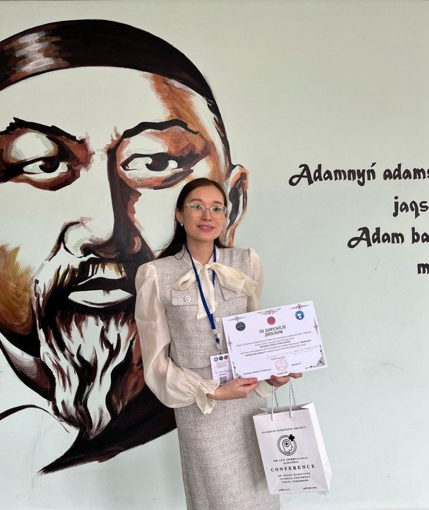
4.jpg  5.jpg  6.jpg  


7.jpg  8.jpg  10.jpg

M142 - Pharmacy

Department of Master’s and Doctoral Studies

Level of education: Master’s degree
Direction of personnel training: 7М101 Healthcare
Group of educational programs: M142
Educational program:
7M10112 Pharmacy

Responsible Department/RI: Chair of pharmaceutical disciplines
Language of instruction: kazakh/russian
Duration of study:
• 1 year- specialized direction


Relevance of the program

The Master’s program 7M10112 «Pharmacy» meets the requirements of postgraduate education and is aimed at training highly qualified specialists with advanced knowledge in pharmaceutical, organizational and managerial, and research activities.

The relevance of the program is determined by:

·         The growing need for highly qualified pharmacists capable of working in scientific, clinical, community pharmacy, and pharmaceutical industry settings.

·         The integration of innovative technologies, digital solutions, and modern methods of quality control for medicinal products.

·         The strategic necessity to train specialists who meet the standards of the Republic of Kazakhstan and international requirements (GxP, GVP, EAEU).


GRADUATE PROFILE

A master’s program graduate is a specialist who possesses:

  • a solid scientific foundation and knowledge in the field of pharmacy;
  • skills in research activities and proficiency in scientific methodology;
  • competencies in the analysis, processing, and interpretation of scientific information;
  • knowledge of modern information technologies;
  • pedagogical skills for teaching in universities and colleges;
  • the ability to solve professional and managerial tasks in the healthcare sector.

Employment opportunities: research institutions, pharmacies, pharmaceutical companies and enterprises, medical organizations.


TARGET AUDIENCE OF THE PROGRAM

Applicants with higher education (bachelor’s degree) in pharmacy or related fields:

·         6B10104 «Pharmacy»;

·         6B07201 «Pharmaceutical Production Technology».

Profile of potential students:

·         Age: 21–35 years

·         Education: higher pharmaceutical education

·         Motivation: acquiring advanced knowledge, developing a scientific and teaching career, professional growth, and increasing competitiveness in the labor market


COMPETITIVE ADVANTAGES OF THE EDUCATIONAL PROGRAM

The educational program is developed in accordance with modern requirements of the pharmaceutical industry and includes relevant courses that combine theoretical knowledge and practical skills demanded in the labor market.

What distinguishes the program:

·         Compliance with state educational standards

·         Training of research-oriented and practice-oriented specialists;

·         Opportunities for studying on a state-funded or fee-paying basis;

Unique content.

     • clinical pharmacy;

     • pharmacovigilance and drug safety;

     • pharmacoeconomics;

     • quality management;

Involvement of international faculty and employers:

  • Participation of practicing specialists and industry experts;
  • Guest lectures and master classes;
  • Opportunities for academic mobility;

Use of innovative technologies:

      • digital learning platforms;

      • case methods and problem-based learning (PBL);

      • simulation technologies;

      • distance and hybrid learning formats.

PHOTOS OF STUDENTS (during classes, at events, etc.)

11.jpg  12.jpg

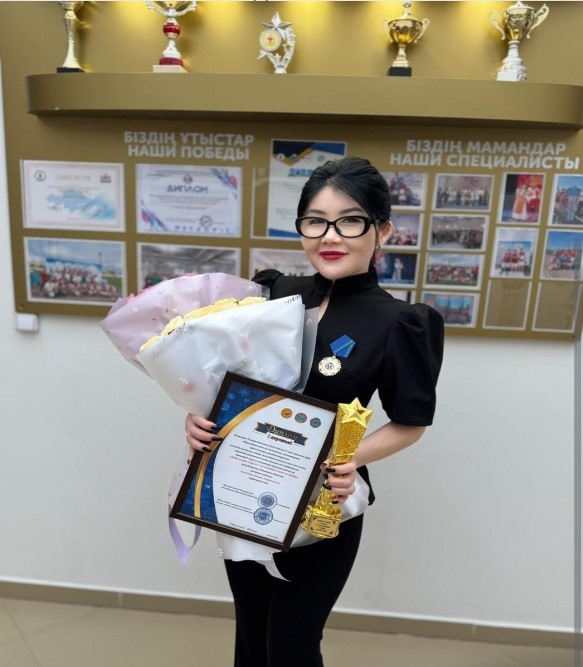
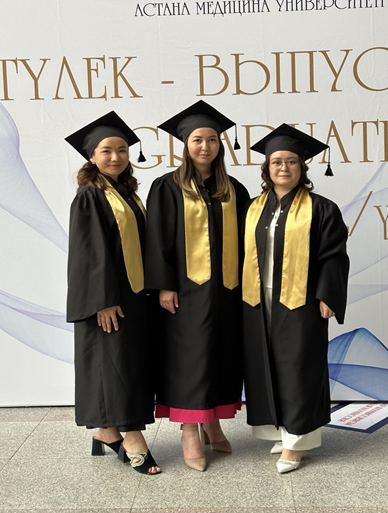
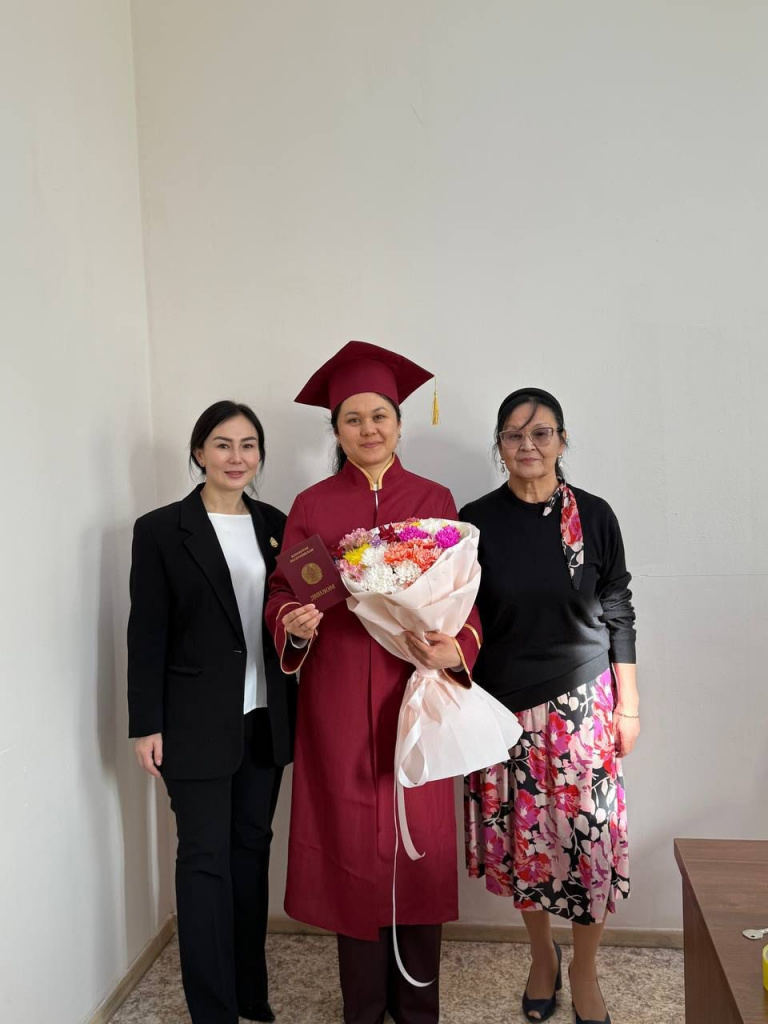
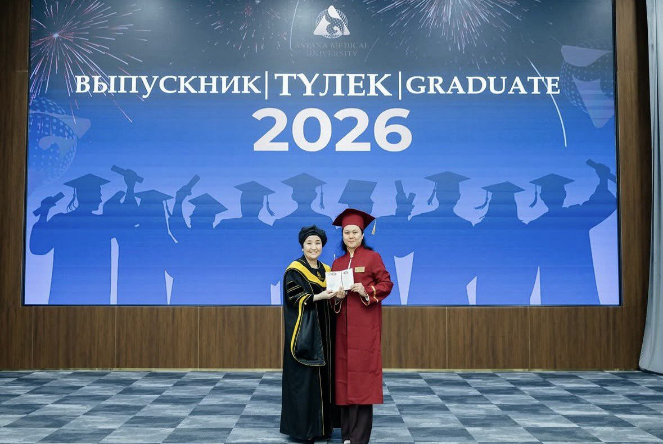
Dinara Amirzhanovna Akolbekova, a master’s student of the 2025–2026 academic year, has been recognized for her achievements in the healthcare sector, significant contribution to the development of the industry, and diligent work. She is the winner of the national competition organized by the Republican innovation center “Zhana Kazakhstan” and has been awarded the badge “Best specialist in the healthcare sector.”

М144 - Clinical Psychology

Department of Master's and Doctoral Studies

Education Level: Master’s Degree

Direction of personnel training: 7M101 Healthcare

Group of educational programs: М144

Educational Program: 7M10113 Clinical Psychology

Responsible Department: Chair of Psychiatry and Narcology

Language of education: Russian, Kazakh

Duration of Study: 1 year- specialized direction


1. RELEVANCE OF THE EDUCATIONAL PROGRAM (EP), ITS GOALS AND OBJECTIVES

Justification for the Program.

Modern healthcare in Kazakhstan faces a growing demand for qualified clinical psychological assistance. The rise in mental and behavioral disorders, post-stress conditions, psychosomatic diseases, and the consequences of emergencies and pandemics require a systemic approach to diagnosis, correction, and patient rehabilitation. The existing training system needs a stronger practice-oriented component and deeper scientific approaches, which defines the relevance of this Educational Program (EP).

Alignment with University Strategic Goals and External Requirements.

The program aligns with the University's strategy to train highly qualified, competitive specialists capable of integrating into interprofessional teams. It meets labor market needs for specialists proficient in modern methods of pathopsychological diagnostics, psychotherapy, and psychocorrection, and is aimed at implementing state policy tasks in the field of public mental health in the Republic of Kazakhstan (RK).

Program Goal: to train highly qualified, competitive personnel possessing professional, social, and personal competencies in clinical psychology, psychotherapy, and psychiatry in accordance with international standards of clinical psychological care, aimed at improving health and the quality of life of the population of the RK.

Objectives:

1) to provide students with in-depth knowledge in pathopsychology, neuropsychology, psychopathology, and psychotherapy;

2) to develop skills for independently conducting pathopsychological research, differential diagnostics, and data interpretation;

3) to teach effective, evidence-based methods of psychotherapeutic and psychocorrectional work with patients of various age groups and pathologies (including crisis and addictive states);

4) to form the ability to work within interprofessional teams and interact effectively with physicians and other staff to achieve the best treatment and rehabilitation outcomes;

5) To develop research skills, critical analysis of professional literature, and the implementation of scientific achievements into practice.


2. LABOR MARKET ANALYSIS

Graduates of the program are in demand at state and private medical centers, Mental Health Centers, crisis centers, rehabilitation centers, hospices, and primary health care (PHC) organizations. There is a steady shortage of qualified clinical psychologists, especially those proficient in modern psychotherapeutic methods (cognitive-behavioral, systemic family therapy, etc.) and capable of working in multidisciplinary teams. The demand for clinical psychology specialists is expected to grow further due to the development of mental health services at the PHC level, the introduction of early intervention programs, and an increase in the number of patients with borderline mental disorders. Employers (medical institutions) note the need to strengthen the practical training of Master's students, particularly in mental/psychological health promotion, addictive behavior, and family counseling—needs addressed in this program through elective modules.


3. INTERNATIONAL EXPERIENCE IN SPECIALIST TRAINING

The program is developed based on global best practices and standards for training clinical psychologists, including those in the Republic of Kazakhstan. The development included an analysis of programs from leading universities such as:

Harvard University (USA): Clinical Psychology course (doctoral level);

University College London (UCL) (UK): Clinical Mental Health Sciences program;

University of York (UK): MSc Psychology of Mental Health;

York University (Canada): Graduate Program in Psychology.

The National Professional Standard "Clinical Psychology" holds particular significance in the development of this program.

Features of Structure, Content, and Learning Approaches:

Emphasis on evidence-based practice.

Integration of psychiatry, psychopathology, and psychotherapy into unified modules.

Availability of specialized modules (e.g., crisis intervention, addiction counseling, family therapy), allowing students to individualize their professional path.

Use of supervision as a key element of professional development.


4. EXISTING SPECIALIST TRAINING SYSTEM

Analysis of current programs at the University and other HEIs in the RK:

Currently, Kazakhstan offers several programs in clinical psychology. These are often implemented by humanities-focused universities, which have specific characteristics – namely, they do not always fully meet the requirements for integrating psychotherapeutic approaches and intensive clinical practice.

Comparison of curricula, disciplines, and internships:

The proposed EP is distinguished by its modular structure, a wide range of elective disciplines allowing students to choose a specialization (crisis management, family therapy, addictions), and mandatory personal therapy and supervision, which is considered the «gold standard» for clinical psychologist training.

Assessment Approaches:

The assessment focus is shifted toward the demonstration of practical skills (case analysis, technique demonstration in role-plays, clinical case studies, and supervision).


5. GRADUATE PROFILE

Block

Descriptors

Personal Qualities

Empathy, reflection, emotional stability, responsibility, ethics, stress resistance, and a commitment to continuous self-development.

General Competencies

Critical and systemic thinking, interprofessional communication skills (in Kazakh and Russian), ability to work in a team, self-learning, and the ability to mentor others.

Professional Competencies

Mastery of pathopsychological and neuropsychological diagnostic methods; ability to develop and implement psychotherapy and psychocorrection programs; conducting supervision; assessment of crisis states and provision of emergency psychological assistance.

Social Characteristics

Adherence to the principles of academic integrity and professional ethics, civic engagement, capacity for multicultural interaction, and commitment to the principles of national health protection.

Mobility and Competitiveness

Adaptability to changes in the healthcare system, capacity for academic and professional mobility, and competitiveness in both national and international labor markets.

Career Prospects

Fields of activity: Healthcare (Primary Health Care, hospitals), science, education (universities, colleges), and social protection.

Job titles: Clinical psychologist, psychotherapist (as part of a multidisciplinary team), lecturer, researcher, head of psychological services.


6. TARGET AUDIENCE OF THE PROGRAM

Applicants (previous level of education) may include.

Graduates of Bachelor's programs:

- «Pedagogy and Psychology», «Psychology», «Clinical Psychology», «Medicine» and «Pediatrics»;

- Physicians (interns, specialists) seeking to deepen their knowledge and acquire specialized skills in clinical psychology and psychotherapy.

Characteristics of potential students.

Motivated, reflective specialists with a foundational specialized education who strive for professional growth in providing psychological assistance within medical institutions.

Estimated student body and annual enrollment: 10–15 students per year.


7. COMPETITIVE ADVANTAGES OF THE EP

Uniqueness of Content. A modular structure that allows Master's students to choose a specialization within key areas of modern clinical psychology (Mental Health Promotion, Family Therapy, Addiction Therapy).

Engagement of International Faculty and Employers. The opportunity to invite leading practitioners, clinical psychologists, and psychotherapists to conduct masterclasses and supervision.

Use of Innovative Technologies. Active use of simulation technologies (working with standardized patients), case methods, and distance learning technologies for supervision and training.

Practice-Oriented Approach. Integration of personal therapy and supervision into the educational process, ensuring a high level of professional training and personal readiness for independent work.


8. RESOURCE PROVISION

Highly qualified teaching staff holding advanced degrees (PhD, Doctor of Medical/Psychological Sciences) with practical experience in clinical psychology, psychotherapy, and psychiatry. Practicing psychotherapists and clinical psychologists from leading medical centers are also involved.

Specialized classrooms for training and group psychotherapy equipped with audio-visual technology for supervision; a simulation center for practicing primary interaction skills; a library with access to international databases (PubMed, Cochrane, Web of Science, etc.); and a library fund featuring current literature on clinical psychology and psychotherapy.

The teaching complex includes original syllabi, collections of clinical cases, and scenarios for simulation training developed based on contemporary sources.


9. DEVELOPMENT PROSPECTS OF THE EP

Integration of New Disciplines and Content Updates. Plans include introducing modules on neuropsychology, pediatric clinical psychology, psycho-oncology, and palliative psychology, alongside regular content updates in line with the latest clinical guidelines and scientific research.

Expansion of International Cooperation. Negotiations are underway with foreign universities and clinics for joint seminars, academic mobility programs, and the invitation of international supervisors.

Dual-Degree Potential and Increased Flexibility. The program is exploring the following opportunities:

Creating a joint (dual-degree) program with one of the foreign partner universities.

Implementing a system of micro-credentials for specific, high-demand psychotherapeutic methods (CBT, Schema Therapy, EMDR, etc.).


Educational Program References

1. National Regulatory Framework (Kazakhstan)

Adilet Legal System: Order/Regulation Reference


2. Harvard University (USA) — PhD in Psychology, Clinical Science Track

This is not a standalone course, but a research-oriented doctoral program (PhD) in clinical psychology that follows the "clinical science" model. The program is accredited by the APA and PCSAS, focusing on the research of severe psychopathology and including mandatory clinical practice.

Official Program Page: psychology.fas.harvard.edu/clinical-psychology

Requirements and PhD Structure: gsas.harvard.edu/policy/psychology


3. University College London (UCL) (UK) — MSc Clinical Mental Health Sciences

A one-year Master's program that integrates biological, psychological, and social aspects of mental health. It is suitable for both psychology graduates and practicing clinicians looking to deepen their expertise.

Official Program Page: ucl.ac.uk/prospective-students/graduate/taught-degrees/clinical-mental-health-sciences-msc

Program FAQ: ucl.ac.uk/brain-sciences/psychiatry/study/postgraduate-taught/faqs


4. York University (Canada) — Graduate Program in Psychology

Offers a Master’s and Doctoral program in Clinical Psychology accredited by the Canadian Psychological Association (CPA). The training includes intensive preparation, research in psychotherapy and neuropsychology, and internships. The program is focused on training in treatment and diagnostic methods.

Key Characteristics: * Accreditation: CPA accredited (renewed in 2022 for 7 years).

Specializations: Psychotherapy, neuropsychology, health psychology, and personality.

Practice: Includes external internships and clinical work at the In-house Psychology Training Clinic.

Research: Focuses on psychotherapy processes/outcomes and clinical neuroscience.

Official Page: yorku.ca/gradstudies/psychology/


5. University of York (UK) — MSc Psychology of Mental Health

Offers strong psychology programs, including an MSc in the Psychology of Mental Health, with a high research rating (ranked 8th in the UK). The focus is on research and clinical aspects; the university is a member of the elite Russell Group.

Key Aspects:

Programs: Primary focus on research-based Master’s (MSc) degrees. High research quality (ranked 2nd in the REF 2021 results), which is critical for clinical psychology.


Distinction: Unlike York University in Canada (which offers a DClinPsych), the University of York (UK) emphasizes the academic understanding of mental health and research methodology.

Official Page: york.ac.uk/study/postgraduate-taught/courses/msc-psychology-mental-health
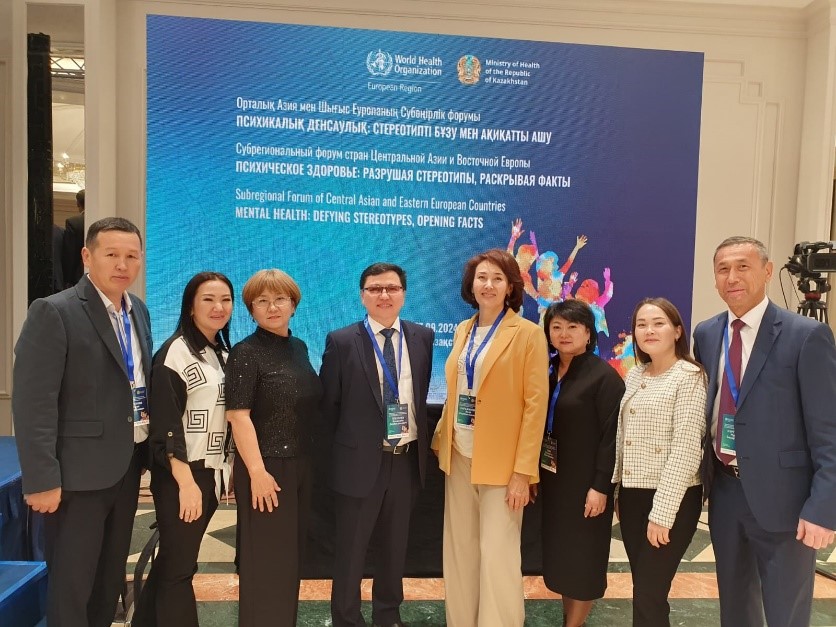
 15.jpg    16.jpg

© 2022. Astana Medical University
Astana city, Beybitshilik street 49a
phone: +7 (7172) 53 94 47; +7 700 153 94 47
Яндекс.Метрика