Nursing (3 years and 6 months) Applied Bachelor of Nursing

School/Department: School of Nursing
Educational Program: 09130100 – "Nursing," Qualification 5AB09130101 – "Applied Bachelor of Nursing"
Level of Education: Post-secondary education
Field of Study: 091 Healthcare
Language of Instruction: Kazakh, Russian
Duration of Study: 3 years 6 months

Program Relevance

The Applied Bachelor of Nursing program meets the current requirements of the healthcare system and aims to prepare competitive specialists who are in demand in the labor market.

The program provides training for advanced practice nurses, who possess in-depth clinical preparation and are ready to independently perform professional functions within their competencies, including conducting independent nursing consultations.

Graduate Profile

Upon completion of the program, graduates will acquire the following professional competencies: applying skills in information management, critical thinking, and decision-making; developing communication and teamwork abilities; providing safe, patient-centered nursing care; taking responsibility for independent decisions, actions, and personnel management; and mastering a wide range of methods and strategies to promote a healthy lifestyle and provide independent care at individual, family, or population levels.

Target Audience

Individuals with general secondary education based on grade 11, technical and vocational education, post-secondary and higher education.

Characteristics of Potential Students:

Potential students are individuals of any age, motivated for professional development and career growth within the healthcare system. The primary motivation is to deepen clinical competencies and increase the level of independence in professional practice.

Competitive Advantages of the Program

Program Highlights

The studied general humanitarian, socio-economic, general professional, and specialized disciplines contribute to personal and professional growth, teamwork training, information management, critical thinking development, decision-making, and innovative social interaction.

Special emphasis is placed on advanced clinical training, enabling students to master an extended range of nursing interventions, assess patient conditions, and plan and implement nursing care. The program emphasizes practice-oriented learning and prepares students for effective work as advanced practice nurses in real healthcare settings.

Content Uniqueness

The program ensures continuity of learning and logical sequencing of disciplines, accumulation of academic achievements, and integration. Continuity, sequence, and comprehensiveness of the educational program support the development of professional competence as a result of holistic learning.

Engagement of International Faculty and Employers

The program involves international nursing and healthcare specialists for lectures, practice-oriented sessions, workshops, and participation in scientific and educational events. Students in the Applied Bachelor program also have opportunities to participate in academic mobility programs, international internships, and educational exchanges, which contribute to gaining international practical and educational experience.

Use of Innovative Technologies

The educational process utilizes modern simulation technologies, elements of digital educational resources, and practice-oriented teaching methods aimed at developing stable clinical skills, professional thinking, and practical nursing abilities, with the involvement of experienced nurse mentors to supervise professional practice at clinical sites.

The Simulation Center of JSC “Astana Medical University” is equipped with advanced technologies and equipment that allow modeling various clinical scenarios characteristic of nursing practice.

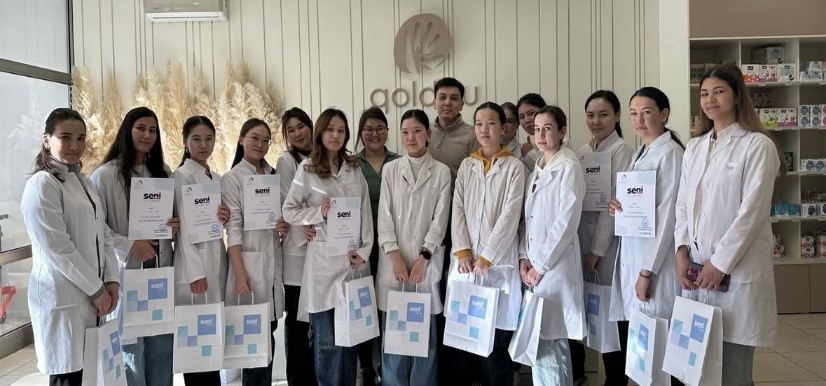
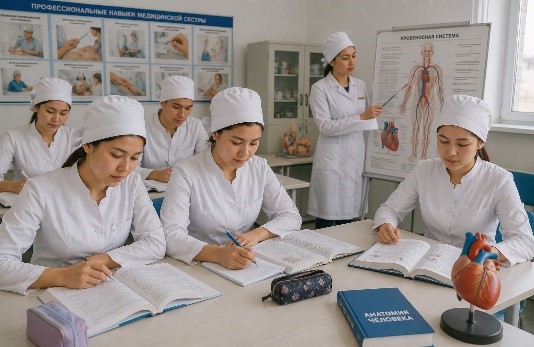
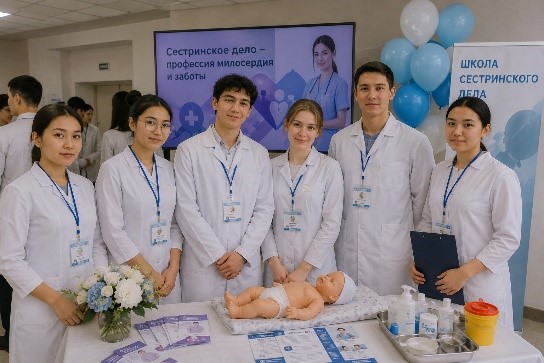
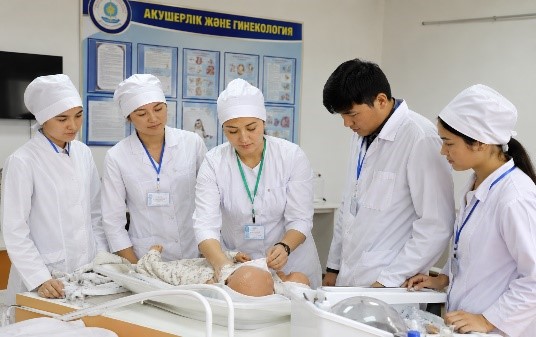
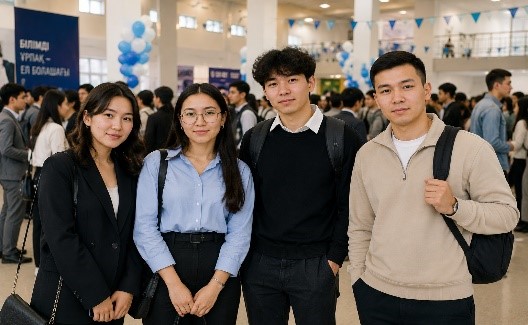
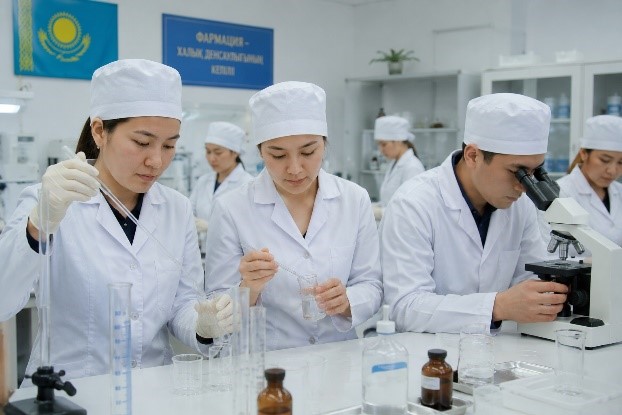
STUDENT PHOTOS (during classes, events, etc.)
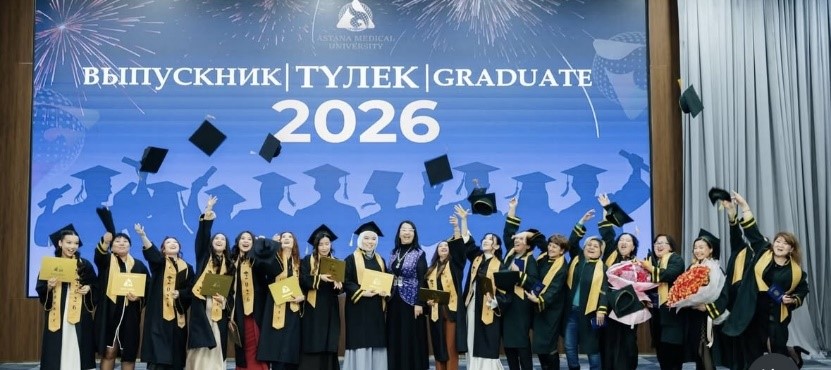
     

5.jpg 

 6.jpg

Nursing (2 years 10 months)

School/Department: School of Nursing

Educational Program: 09130100 “Nursing”, qualification 4S09130103 “General Practice Nurse”

Level of Education: Technical and Vocational Education

Field of Training: 091 Healthcare

Languages of Instruction: Kazakh, Russian

Duration of Study: 2 years 10 months

Relevance of the Program

The educational program in “Nursing” has been developed in accordance with modern healthcare system requirements and is aimed at training qualified specialists capable of providing high-quality nursing care to patients of different ages in primary healthcare organizations, hospitals, outpatient clinics, and rehabilitation centers.

The program focuses on developing practical nursing care skills, performing therapeutic, diagnostic, and preventive measures, monitoring patients’ conditions, providing emergency pre-medical care, and maintaining medical documentation. Special attention is given to the development of clinical thinking, responsibility, communication with patients, and adherence to the principles of safe medical care.

GRADUATE PROFILE

A graduate of the “Nursing” educational program is a qualified specialist possessing professional knowledge, practical skills, and a responsible attitude toward providing nursing care to the population.

During the training process, future specialists acquire competencies aimed at implementing the nursing process, assessing patient care needs, carrying out physicians’ prescriptions, conducting preventive measures, participating in diagnostic and therapeutic procedures, and observing infection control and sanitary-epidemiological regulations.

Graduates are able to work effectively in a team, apply modern medical technologies, comply with professional ethics and deontology standards, make decisions within their professional competence, and provide quality patient care in various healthcare settings.

TARGET AUDIENCE OF THE PROGRAM

Individuals with general secondary education based on 11 grades, as well as those with technical and vocational, post-secondary, or higher education.

Characteristics of Potential Students

Potential students are motivated individuals seeking to obtain a востребованная medical profession and work in healthcare organizations. The program is suitable for students interested in helping patients, developing practical medical skills, disease prevention, strengthening public health, and professional growth in the field of nursing.

COMPETITIVE ADVANTAGES OF THE EDUCATIONAL PROGRAM

What Makes the Program Unique

The general humanities, socio-economic, general professional, and specialized disciplines studied contribute to personal and professional development, teamwork skills, information management, critical thinking, decision-making, and the development of innovative social interaction.

The educational program combines theoretical preparation with intensive practice-oriented training. Students undergo clinical practice in outpatient clinics, hospitals, primary healthcare centers, rehabilitation facilities, and other medical organizations, allowing them to strengthen their professional skills in real working conditions.

Special attention is paid to the development of professional ethics, communication skills, psychological readiness to work with patients and their families, as well as fostering a culture of safe and patient-centered care.

Uniqueness of the Content

The program ensures the gradual mastery of professional disciplines and practical skills necessary for independent work as a general practice nurse. The training is aimed at forming a competent specialist capable of effectively working in the systems of primary healthcare, inpatient, and outpatient care.

Involvement of Employers

Practicing nurses, general practitioners, healthcare specialists, and employers are actively involved in the educational process. Master classes, practical trainings, professional seminars, and meetings with representatives of healthcare organizations are regularly conducted.

Use of Innovative Technologies

The educational process incorporates modern simulation technologies, mannequins, models, and medical simulators to practice nursing care skills, injections, measurement of vital signs, emergency pre-medical care, and therapeutic and diagnostic procedures. Simulation-based learning enables the modeling of various clinical situations and the development of stable professional competencies.

Practical classes are conducted using digital educational resources, electronic medical cases, and modern teaching methods aimed at developing clinical thinking and enhancing the professional training of future general practice nurses.

PHOTOS OF STUDENTS (during classes, events, etc.)
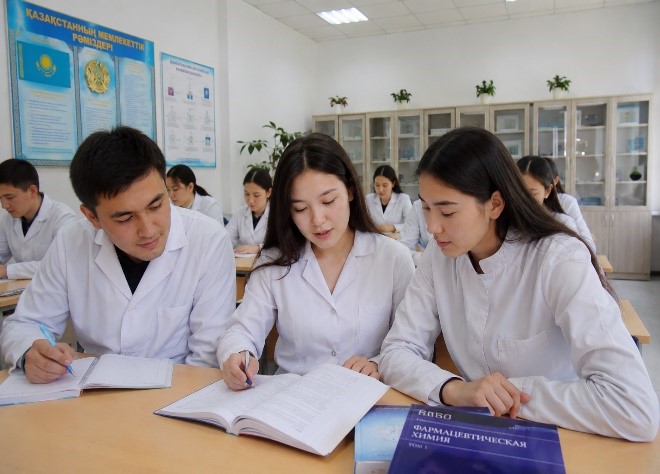
7.jpg  8.jpg

Midwifery 2 years 10 months

School/Department: School of Nursing
Educational Program: 09130200 “Midwifery”, qualification 4S09130201 “Midwife”
Level of Education: Technical and Vocational Education
Field of Training: 091 Healthcare
Languages of Instruction: Kazakh, Russian
Duration of Study: 2 years 10 months

Program Relevance:

The educational program in “Midwifery” has been developed in accordance with modern healthcare system requirements and is aimed at training qualified specialists capable of providing professional obstetric and gynecological care to women, pregnant women, women in labor, and newborns.

The program focuses on developing practical skills in pregnancy management, assistance during physiological childbirth, postpartum care, and prevention of complications. Special attention is paid to the development of clinical thinking, responsibility, communication with patients, and adherence to the principles of safe medical care.

GRADUATE PROFILE

A graduate of the “Midwifery” educational program is a qualified specialist possessing professional knowledge, practical skills, and a responsible attitude toward providing medical care in the field of maternal and child health protection.

During the course of study, future specialists acquire competencies aimed at providing obstetric care to pregnant women, women in labor, postpartum women, and newborns; adhering to the principles of safe medical practice; and carrying out preventive, diagnostic, and therapeutic measures within their professional competence.

Graduates are able to work effectively in a team, apply modern medical technologies, comply with professional ethics and sanitary-epidemiological safety standards, make decisions in professional practice, and ensure high-quality patient care.

TARGET AUDIENCE OF THE PROGRAM

Individuals with general secondary education based on 11 grades, as well as those with technical and vocational, post-secondary, or higher education.

Characteristics of Potential Students:

Potential students are motivated individuals seeking to obtain a востребованную medical profession and work in healthcare organizations. The program is suitable for students interested in helping women and children, developing practical medical skills, and achieving professional growth in the field of midwifery.

COMPETITIVE ADVANTAGES OF THE EDUCATIONAL PROGRAM

What Makes the Program Unique

The studied general humanitarian, socio-economic, general professional, and specialized disciplines contribute to personal and professional growth, teamwork skills, information management, critical thinking, decision-making, and the development of innovative social interaction.

The educational program combines theoretical training with intensive practice-oriented learning. Students undergo clinical practice in maternity hospitals, perinatal centers, and healthcare organizations, allowing them to strengthen professional skills in real-life settings.

Special attention is paid to the development of professional ethics, communication skills, and psychological preparedness when working with pregnant women and newborns.

Uniqueness of the Content

The program ensures consistent mastery of professional disciplines and practical skills necessary for independent work as a midwife. The training is aimed at forming a competent specialist capable of effectively working in the maternal and child healthcare system.

Employer Involvement

Practicing obstetricians-gynecologists, specialists from perinatal centers, and healthcare organizations are involved in the educational process. Master classes, practical trainings, and professional seminars are conducted with the participation of employers.

Use of Innovative Technologies

Modern simulation technologies, mannequins, and medical simulators are used in the educational process to develop practical obstetric care skills. Simulation-based training allows students to model various clinical situations and develop stable professional competencies.

Practical classes are conducted using digital educational resources and modern teaching methods aimed at developing clinical thinking and the professional training of future midwives.

PHOTOS OF STUDENTS
(during classes, events, etc.)
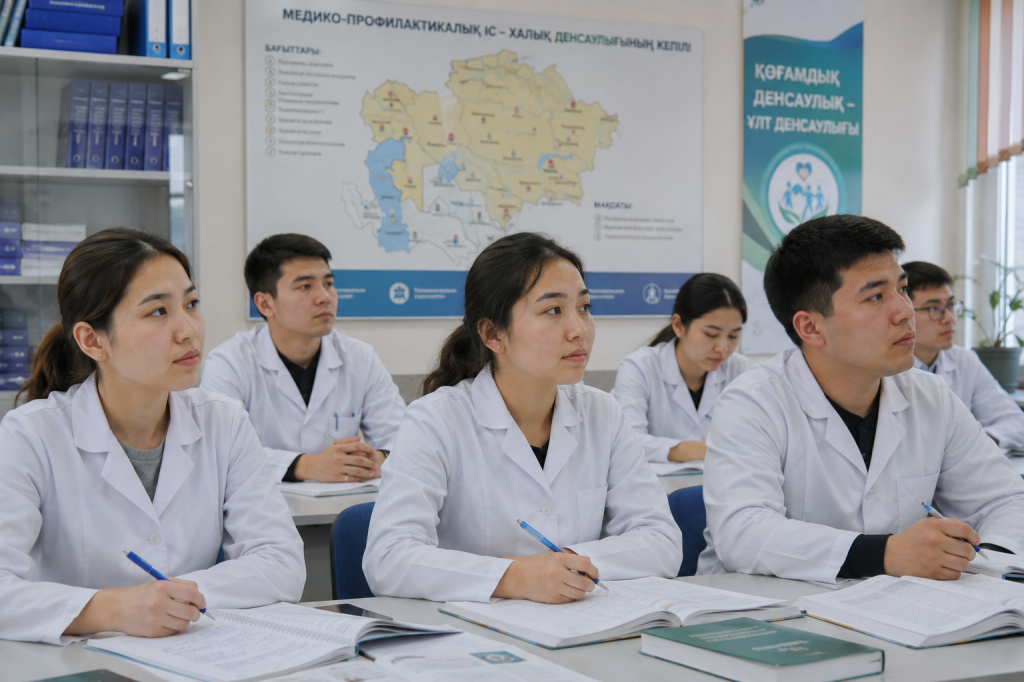
1.jpg   2.jpg

Pharmacy (2 years 10 months)

School/Department: School of Nursing

Educational Program: 09160100 “Pharmacy”, qualification 4S09160101 “Pharmacist”.
Level of Education: Technical and Vocational Education
Field of Training: 091 Healthcare
Language of Instruction: Kazakh, Russian
Duration of Study: 2 years 10 months

Relevance of the Program

The educational program in the specialty “Pharmacy” is aimed at training qualified mid-level specialists востребованных in pharmacy organizations, pharmaceutical companies, medical institutions, and organizations involved in the circulation of medicines.

The program ensures the development of professional knowledge and practical skills in dispensing medicines, counseling the population, storage, accounting, and quality control of medicines and medical products.

GRADUATE PROFILE

A graduate of the “Pharmacy” specialty possesses professional competencies in the field of pharmaceutical activity, knows the range of medicines, and understands the rules for their storage, dispensing, and use.

A future pharmacist is able to advise pharmacy visitors, maintain pharmaceutical standards, work with prescription and over-the-counter medicines, keep documentation, use digital pharmacy systems, and comply with professional ethics standards.

TARGET AUDIENCE OF THE PROGRAM

Individuals with general secondary education based on Grade 11, as well as those with technical and vocational, post-secondary, and higher education.

Characteristics of Potential Students:

Potential students are individuals motivated toward professional development in the pharmaceutical field, possessing attentiveness, responsibility, communication skills, and an interest in medicine, chemistry, biology, and working with medicinal products.

COMPETITIVE ADVANTAGES OF THE EDUCATIONAL PROGRAM

What Makes the Program Unique

The studied general humanitarian, socio-economic, general professional, and specialized disciplines contribute to personal and professional growth, teamwork skills, information management, critical thinking development, decision-making, and innovative social interaction.

The content of the educational program is aimed at developing practical pharmacy work skills among students: receiving and storing medicines, dispensing drugs, working with prescriptions, consulting customers, and complying with sanitary-epidemiological requirements and pharmaceutical safety rules.

Uniqueness of the Content

The content of the educational program is aimed at developing practical pharmacy work skills among students: receiving and storing medicines, dispensing drugs, working with prescriptions, consulting customers, and complying with sanitary-epidemiological requirements and pharmaceutical safety rules.

Employer Involvement

Representatives of pharmacy chains, pharmaceutical organizations, and medical institutions are involved in the implementation of the program. Employers participate in practical classes, master classes, professional internships, and the assessment of students’ professional training.

Use of Innovative Technologies

The educational process uses modern digital resources, electronic drug reference systems, pharmacy information systems, simulation-based learning methods, and practical case studies modeling real-life pharmacy practice situations.

Professional practice is conducted on the basis of pharmacy organizations, pharmaceutical companies, and medical institutions. Students gain skills in working with medicines, medical products, documentation, accounting software, and public counseling.

PHOTOS OF STUDENTS
(during classes, events, etc.)
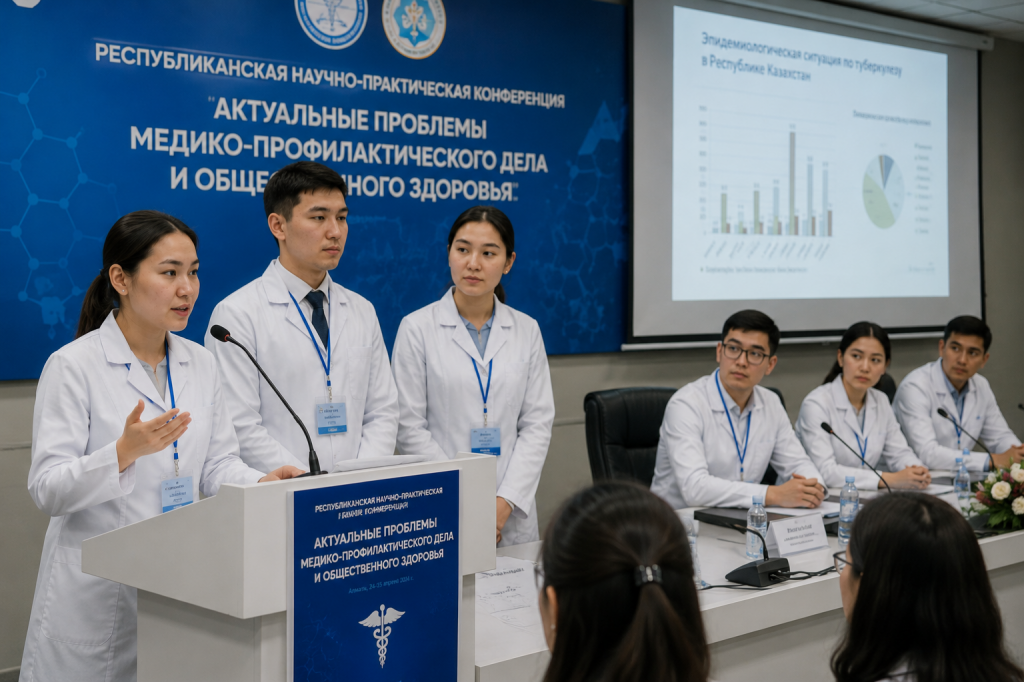
      9.jpg  10.jpg

Hygiene and Epidemiology (2 years and 10 months)

School/Department: School of Nursing
Educational Program: 09880100 “Medical and Preventive Care”, Qualification 4S09140101 “Hygienist-Epidemiologist”.
Level of Education: Technical and Vocational Education
Field of Training: 098 Interdisciplinary Programs and Qualifications Related to Healthcare and Social Welfare
Language of Instruction: Kazakh, Russian
Duration of Study: 2 years 10 months

Relevance of the Program

Program Relevance: The educational program in “Medical and Preventive Care” has been developed in accordance with modern healthcare system requirements and is aimed at training specialists capable of contributing to public sanitary and epidemiological well-being, preventing communicable and non-communicable diseases, and implementing sanitary-hygienic and anti-epidemic measures.

The program focuses on developing practical skills in assessing environmental factors affecting human health, organizing preventive activities, participating in epidemiological surveillance, conducting health education, and maintaining medical and sanitary-epidemiological documentation. Particular attention is paid to responsibility, analytical thinking, and compliance with biological, infection-control, and sanitary safety standards.

GRADUATE PROFILE

A graduate of the “Medical and Preventive Care” educational program is a qualified specialist with professional knowledge, practical skills, and a responsible attitude toward public health protection and disease prevention.

During training, future specialists acquire competencies related to sanitary and hygienic inspections, epidemiological surveillance, environmental factor monitoring, infectious disease prevention, health education, and compliance with sanitary and epidemiological regulations in healthcare, educational, catering, and other institutions.

Graduates are able to work effectively in teams, apply modern preventive medicine methods, follow professional ethics and deontology standards, analyze sanitary and epidemiological information, make decisions within their professional competence, and contribute to creating a safe environment for public health.

TARGET AUDIENCE OF THE PROGRAM

A graduate of the “Medical and Preventive Care” educational program is a qualified specialist with professional knowledge, practical skills, and a responsible attitude toward public health protection and disease prevention.

During training, future specialists acquire competencies related to sanitary and hygienic inspections, epidemiological surveillance, environmental factor monitoring, infectious disease prevention, health education, and compliance with sanitary and epidemiological regulations in healthcare, educational, catering, and other institutions.

Graduates are able to work effectively in teams, apply modern preventive medicine methods, follow professional ethics and deontology standards, analyze sanitary and epidemiological information, make decisions within their professional competence, and contribute to creating a safe environment for public health.

COMPETITIVE ADVANTAGES OF THE EDUCATIONAL PROGRAM

What Makes the Program Unique

The humanities, socio-economic, general professional, and specialized disciplines included in the curriculum contribute to personal and professional growth, teamwork skills, information management, critical thinking, decision-making, and innovative social interaction.

The educational program combines theoretical training with practice-oriented learning. Students complete internships in healthcare organizations, sanitary-epidemiological control institutions, laboratories, educational and catering establishments, and other facilities, where they develop practical skills in preventive, sanitary-hygienic, and anti-epidemic work.

Special attention is given to professional ethics, communication skills, readiness to work with the public and organizations, and the development of a culture of sanitary safety, preventive thinking, and responsibility for public health.

Uniqueness of the Content

The program ensures a consistent acquisition of professional disciplines and practical skills necessary for specialists in medical and preventive care. Training is aimed at developing competent graduates capable of participating in sanitary and epidemiological monitoring, disease prevention, risk assessment, and implementation of public health protection measures.

Employer Involvement

Specialists from sanitary and epidemiological services, epidemiologists, hygienists, laboratory diagnostics professionals, healthcare representatives, and employers are involved in the educational process. Master classes, practical workshops, professional seminars, and meetings with public health sector representatives are organized.

Use of Innovative Technologies

Modern simulation technologies, laboratory equipment, digital educational resources, electronic case studies, and practical assignments are used to develop skills in sanitary-hygienic inspections, epidemiological analysis, sample collection, environmental assessment, and planning preventive measures. Simulation-based learning enables the modeling of professional situations and the development of sustainable practical competencies.

Practical classes are conducted using modern teaching methods, sanitary-epidemiological case studies, digital platforms, and interactive assignments aimed at developing analytical thinking and professional training of future specialists in medical and preventive care.

PHOTOS OF STUDENTS
(during classes, events, etc.)


     3.png   4.png


© 2022. Astana Medical University
Astana city, Beybitshilik street 49a
phone: +7 (7172) 53 94 47; +7 700 153 94 47
Яндекс.Метрика