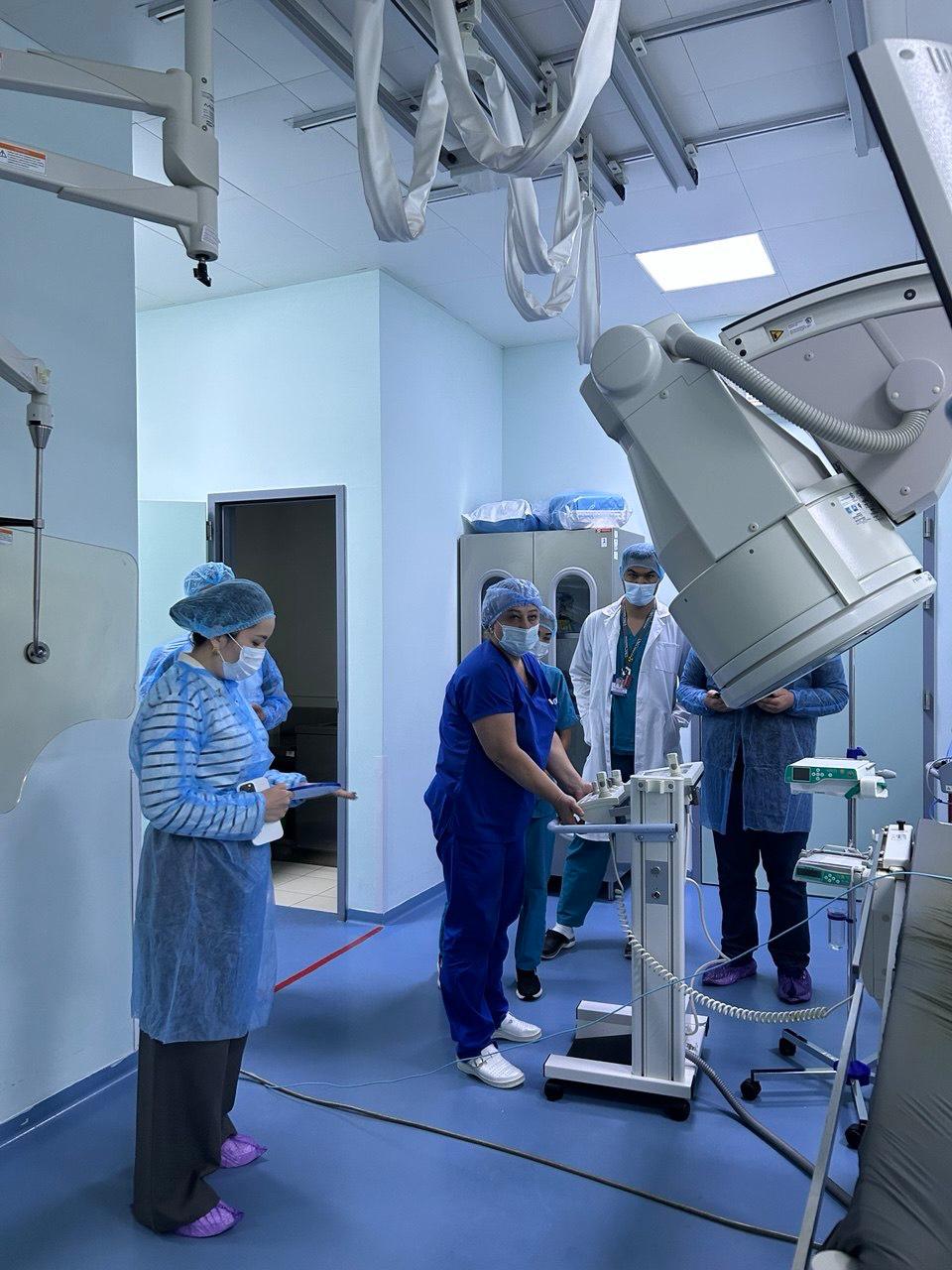
How can the safety of millions of patients who undergo X-ray examinations, computed tomography (CT), or mammography every day be ensured? This question was at the heart of the first specialized training course for medical physicists in Kazakhstan.
From June 8 to 12, specialists from the Research Institute of Radiobiology and Radiation Protection of Astana Medical University conducted a unique educational course on quality control of diagnostic X-ray equipment across all major imaging modalities at the University Medical Center Corporate Foundation.
This was the first program in the country to combine fundamental theoretical knowledge with practical training in quality control of various diagnostic X-ray systems. The course was developed based on the latest International Atomic Energy Agency (IAEA) recommendations and the current regulatory requirements of the Republic of Kazakhstan in the fields of quality assurance and radiation safety, with the participation of experts from the IAEA.
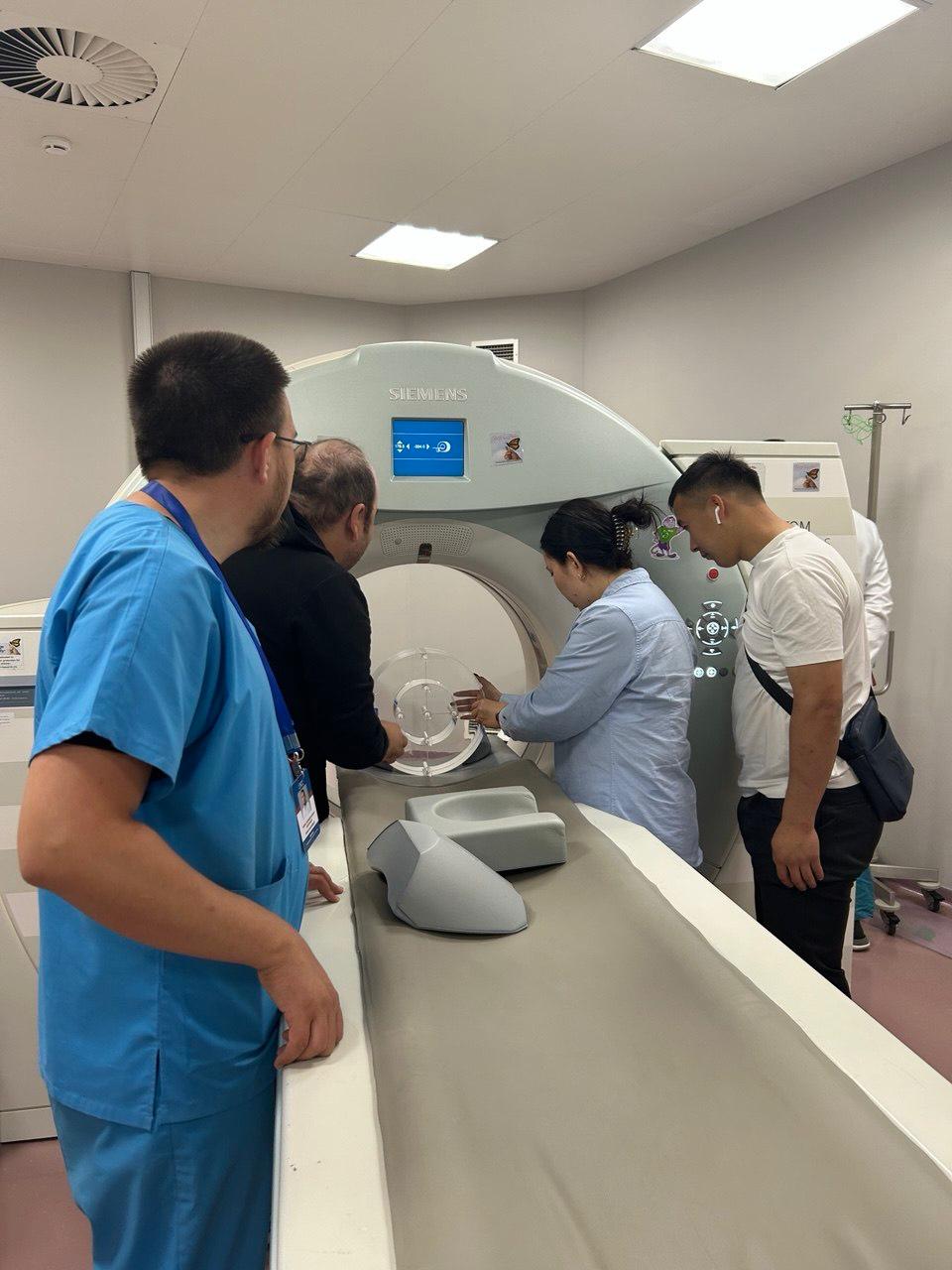
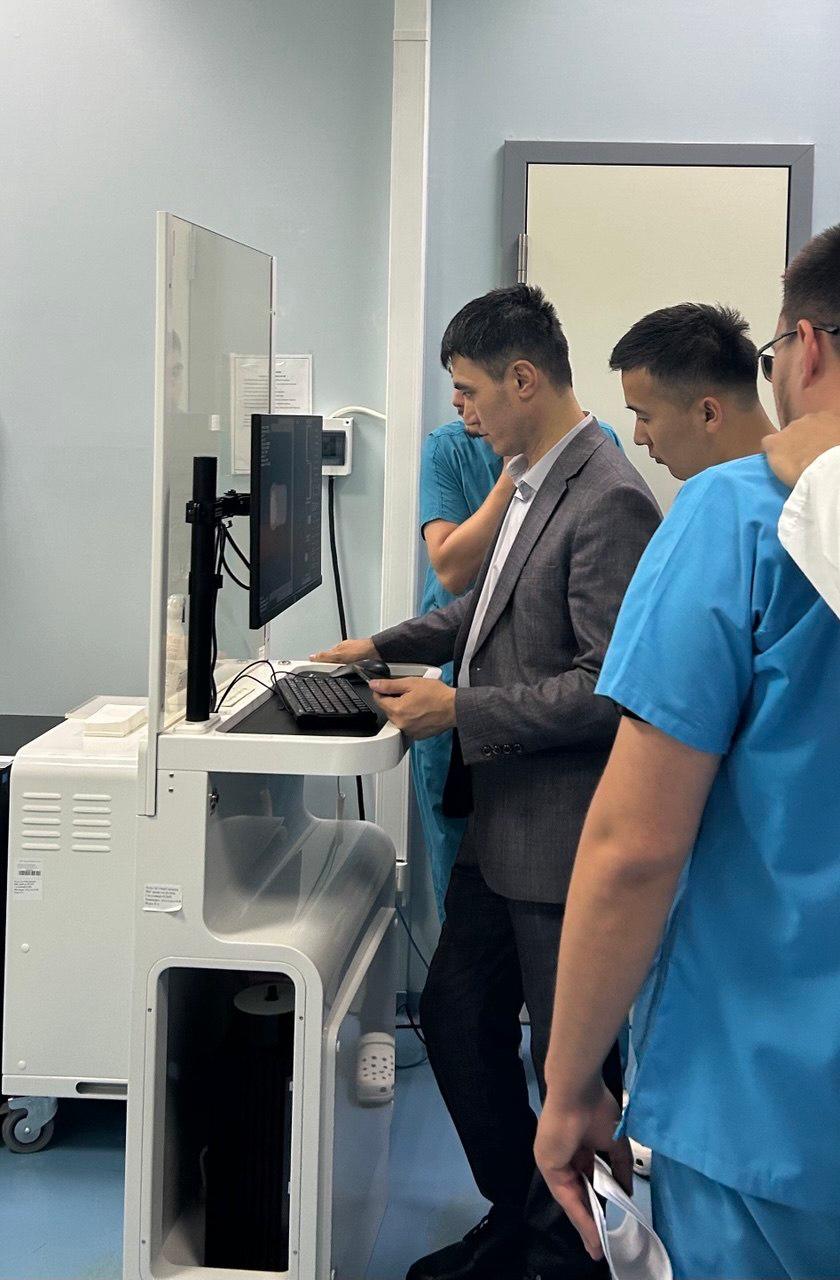
Participants studied modern methods of quality control for radiography systems, computed tomography scanners, mammography units, and angiography systems. They also gained practical knowledge in the analysis and interpretation of quality control measurements and test results.
Particular emphasis was placed on hands-on training. Participants worked with advanced dosimetry instruments, specialized phantoms, and clinical imaging systems, gaining practical experience in performing measurements and evaluating equipment performance in accordance with international recommendations and national standards.
The knowledge and practical skills acquired during the course will enable specialists to implement international medical physics standards in routine clinical practice, enhance the safety of patients and healthcare personnel, and improve the quality of diagnostic imaging services throughout the country.