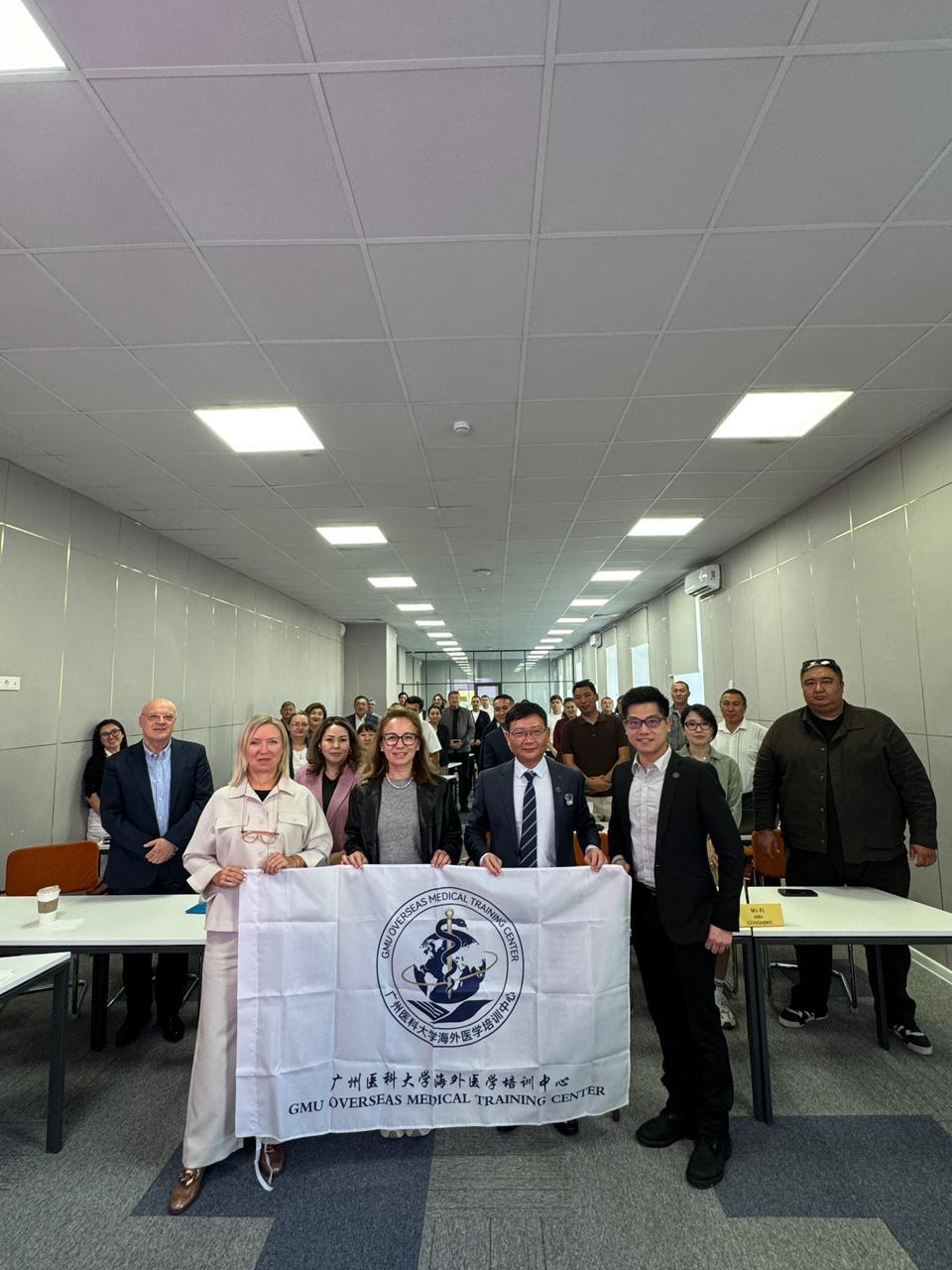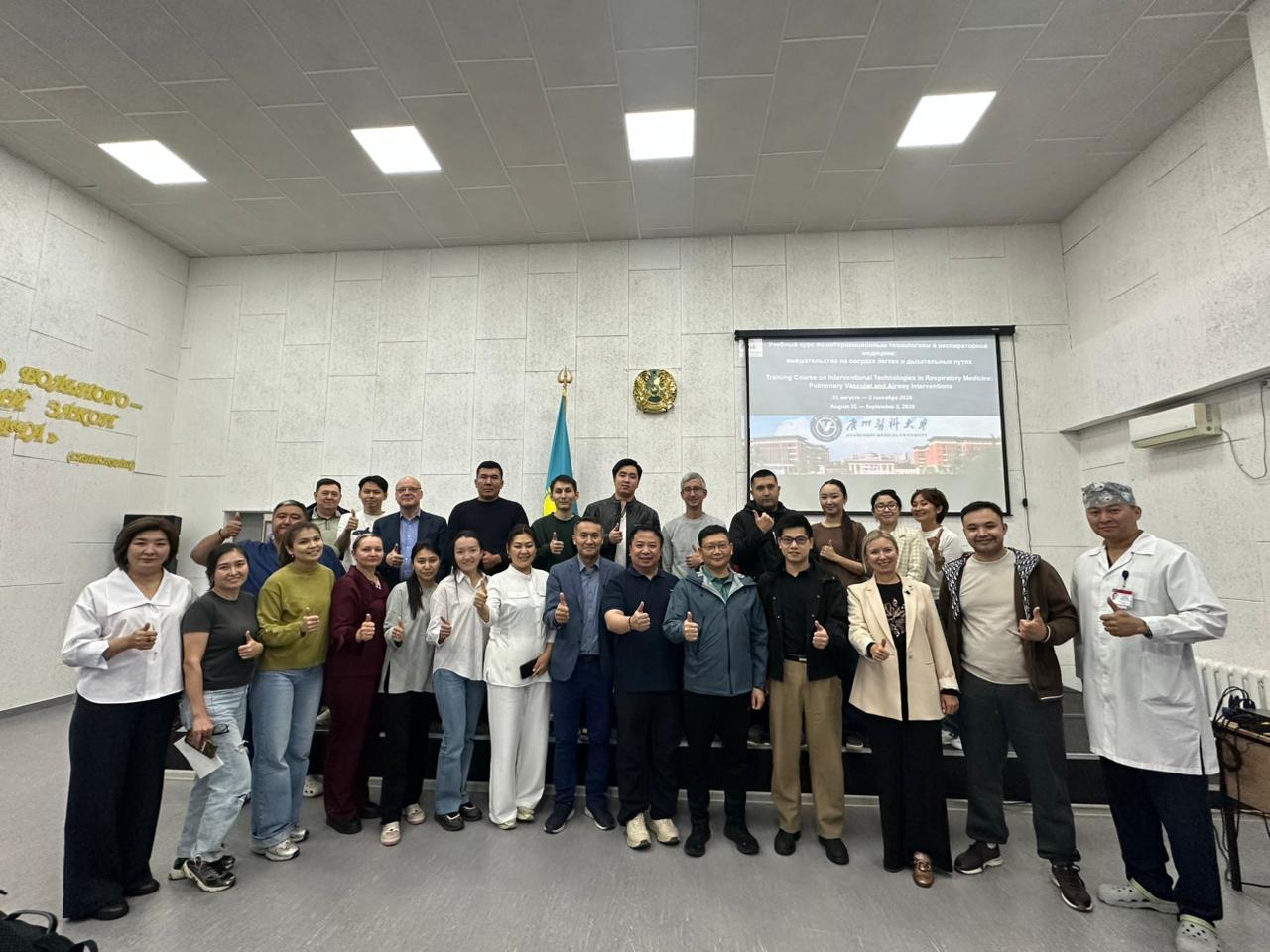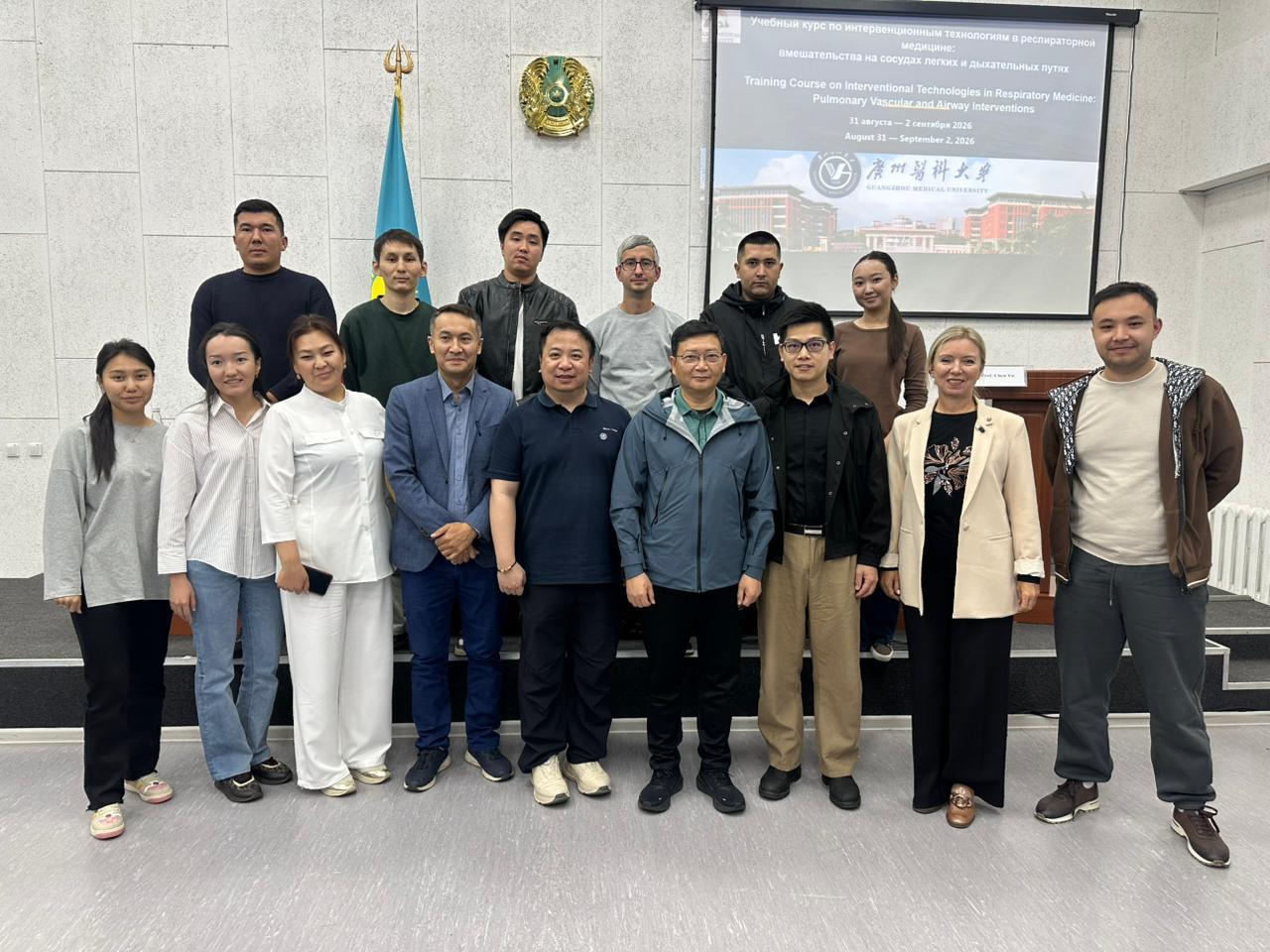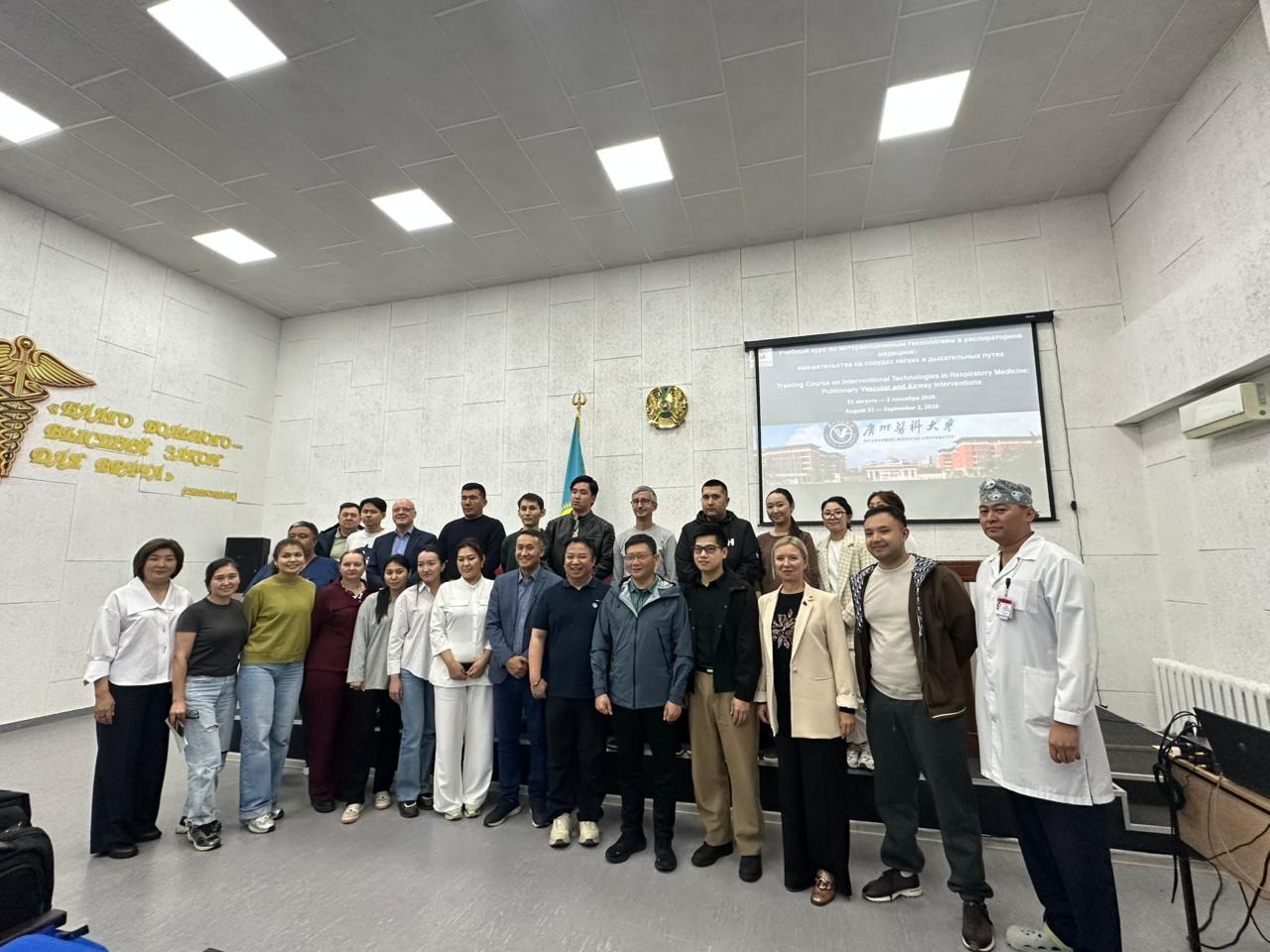
Astana hosted the international training course “Interventional Technologies in Respiratory Medicine: Interventions on Pulmonary Vessels and Airways,” bringing together Kazakhstani specialists and leading experts from Guangzhou Medical University.
From 31 August to 2 September 2026, more than 40 specialists had the opportunity not only to learn about modern approaches in interventional pulmonology but also to practice advanced clinical techniques at the facilities of Astana Medical University and the Multidisciplinary Center for Phthisiopulmonology and Internal Medicine of Astana.
The training course was conducted with the participation of specialists from the First Affiliated Hospital of Guangzhou Medical University (China) as part of the activities of the GMU Overseas Medical Training Center.
From theory to real clinical decision-making
The programme was designed so that each day built on the previous one, covering the full pathway from modern diagnostic and treatment approaches to the practical application of interventional technologies and the discussion of complex clinical cases.
The participants included pulmonologists, thoracic surgeons, endoscopists, vascular surgeons, oncologists, interventional cardiologists and radiologists, as well as faculty members and researchers from Astana Medical University.
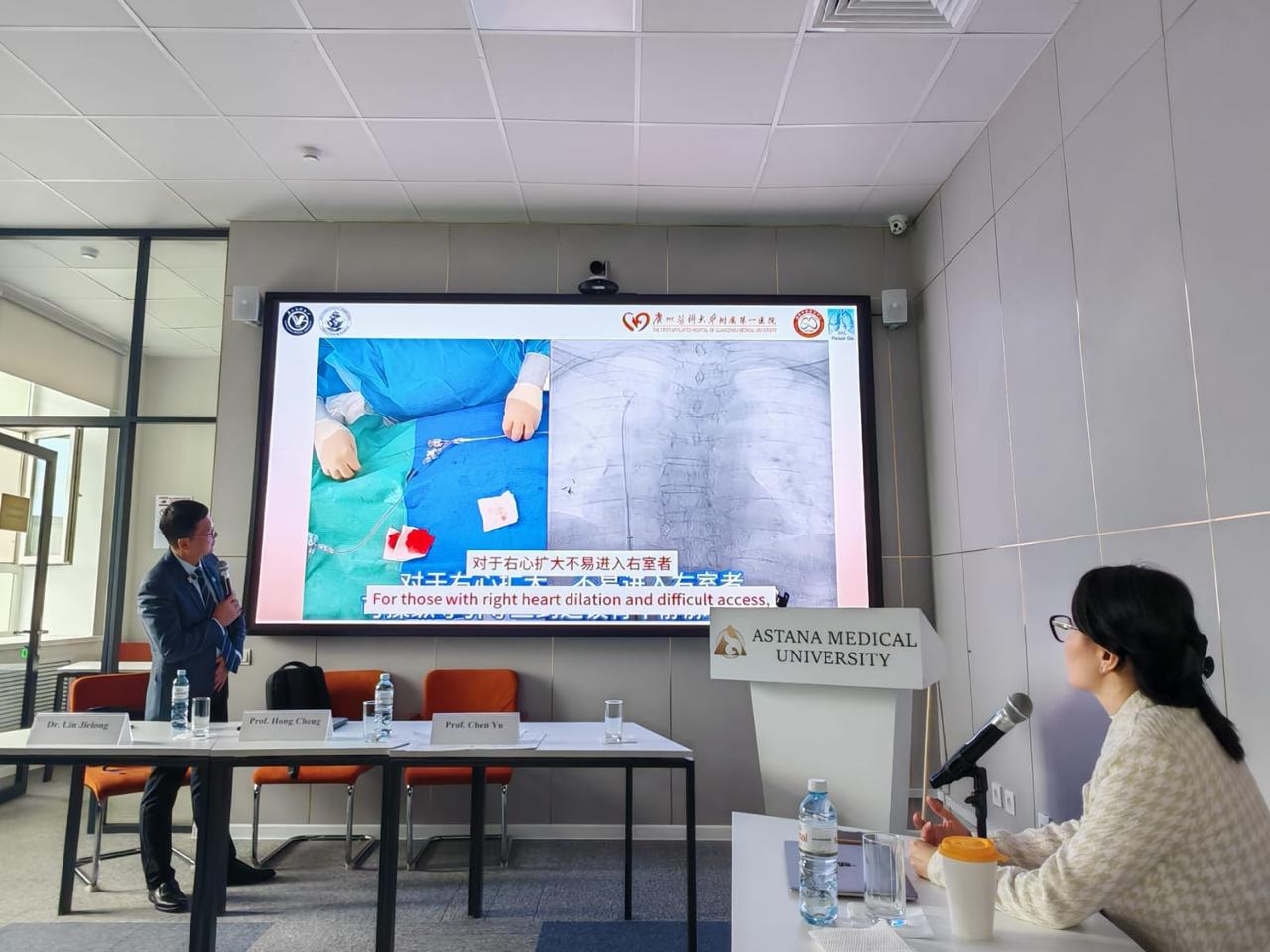
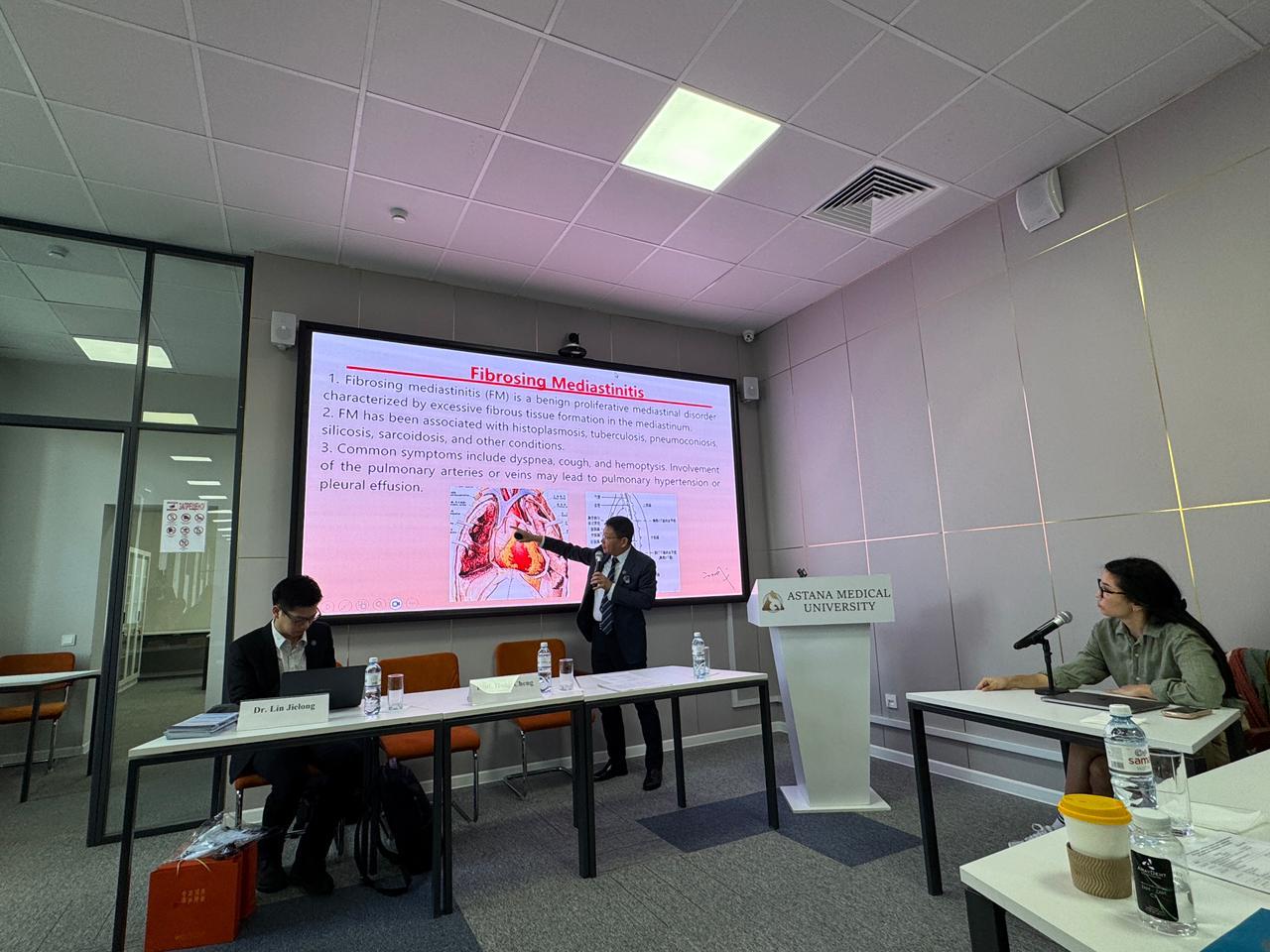
The programme was delivered by leading specialists from the First Affiliated Hospital of Guangzhou Medical University - Professor Hong Cheng, Professor Chen Yu, and Dr Lin Jielong.
Professor Hong Cheng heads the Department of Respiratory Interventions and the Pulmonary Vascular Intervention Group. He also serves as Deputy Director of the GMU Overseas Medical Training Center in Kazakhstan.
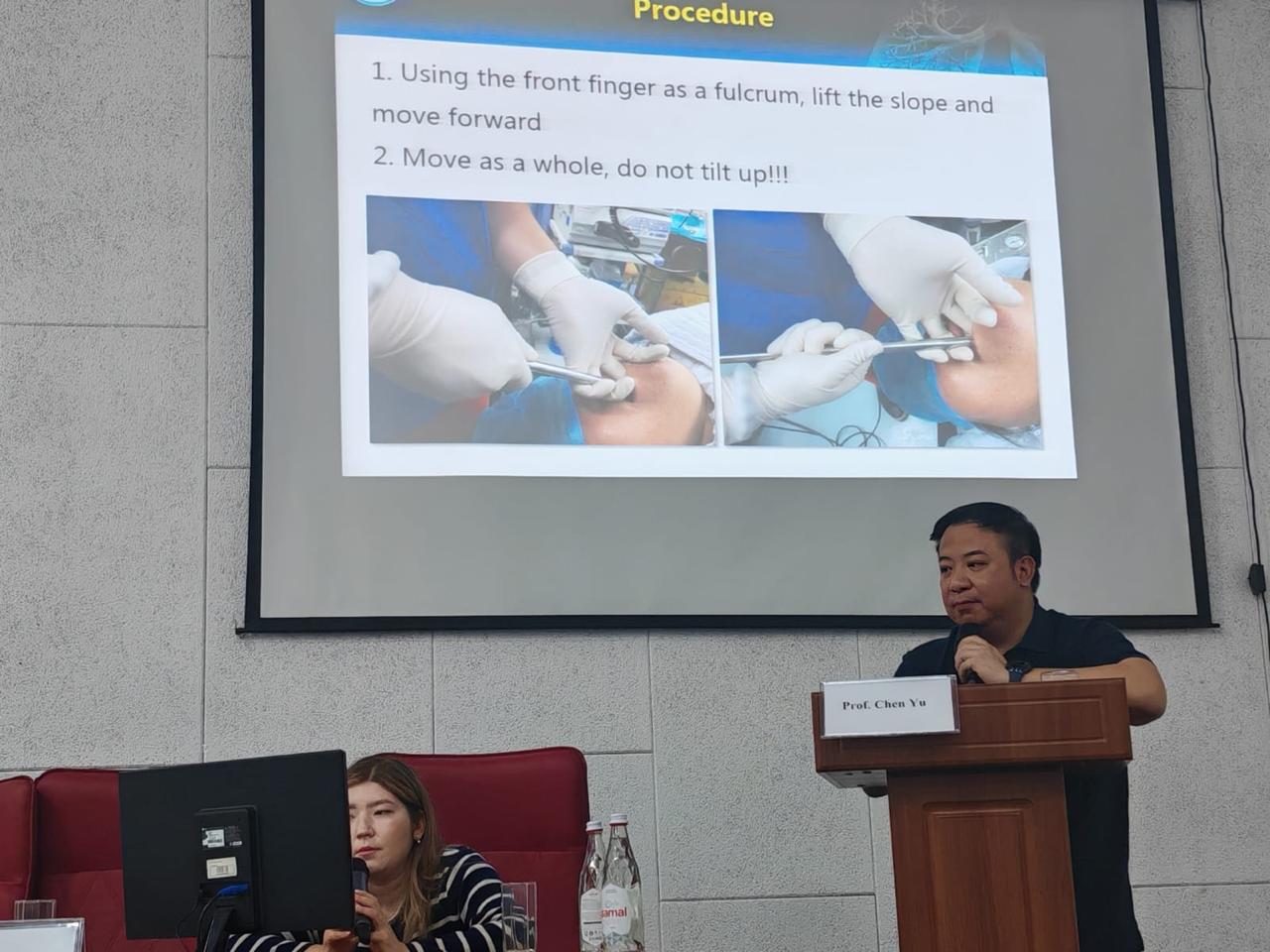
Professor Chen Yu specialises in interventional pulmonology, completed professional training at Henry Ford Hospital in the United States, and performs more than 2,000 bronchoscopic procedures annually.
Dr Lin Jielong is an expert in interventional radiology, multimodal imaging and robot-assisted interventions.
Three days of advanced technologies
The first day focused on pulmonary embolism and pulmonary hypertension. Experts presented modern approaches to the interventional treatment of high-risk pulmonary thromboembolism, discussed the diagnostic role of chest CT, the identification of fibrosing mediastinitis, as well as the detection of vascular lesions in chronic thromboembolic pulmonary hypertension and strategies for their interventional treatment.
The second day was dedicated to the practical aspects of vascular interventions. Participants explored right heart catheterisation, balloon pulmonary angioplasty, pulmonary artery and vein stenting, and the management of potential complications.
Professor Chen Yu also delivered a dedicated session on modern bronchoscopic diagnostics, covering standard airway examination, TBLB, EBUS-TBNA and navigational bronchoscopy. The theoretical material was complemented by discussions of real clinical cases.
The third day was held at the Multidisciplinary Center for Phthisiopulmonology and Internal Medicine and focused on diseases and lesions of the airways. Particular attention was given to the interventional treatment of benign tracheobronchial stenosis, including balloon dilation, ablation, cryotherapy and stenting, as well as the comprehensive management of malignant central airway obstruction.
Hands-on training: knowledge that can be applied immediately
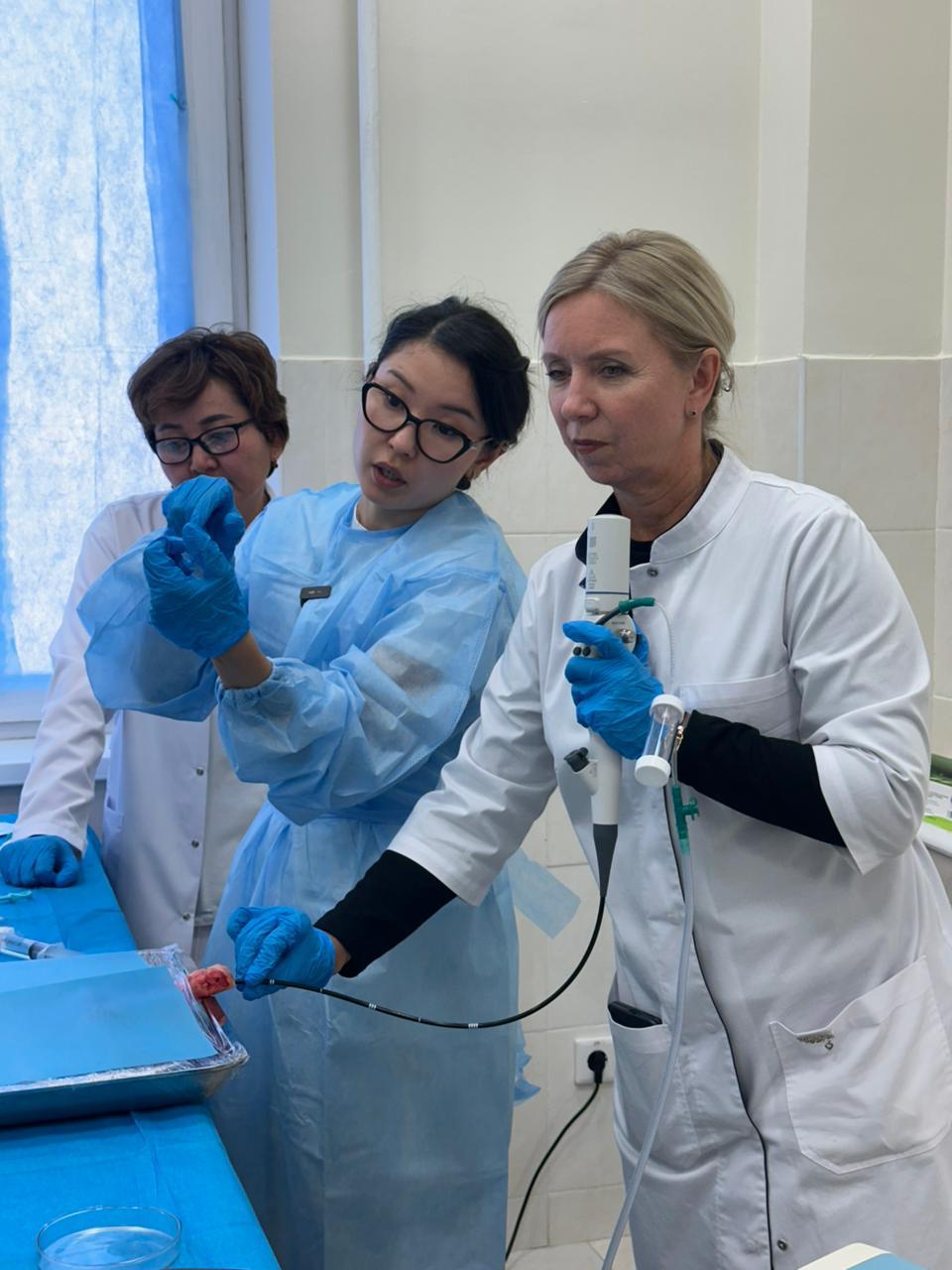
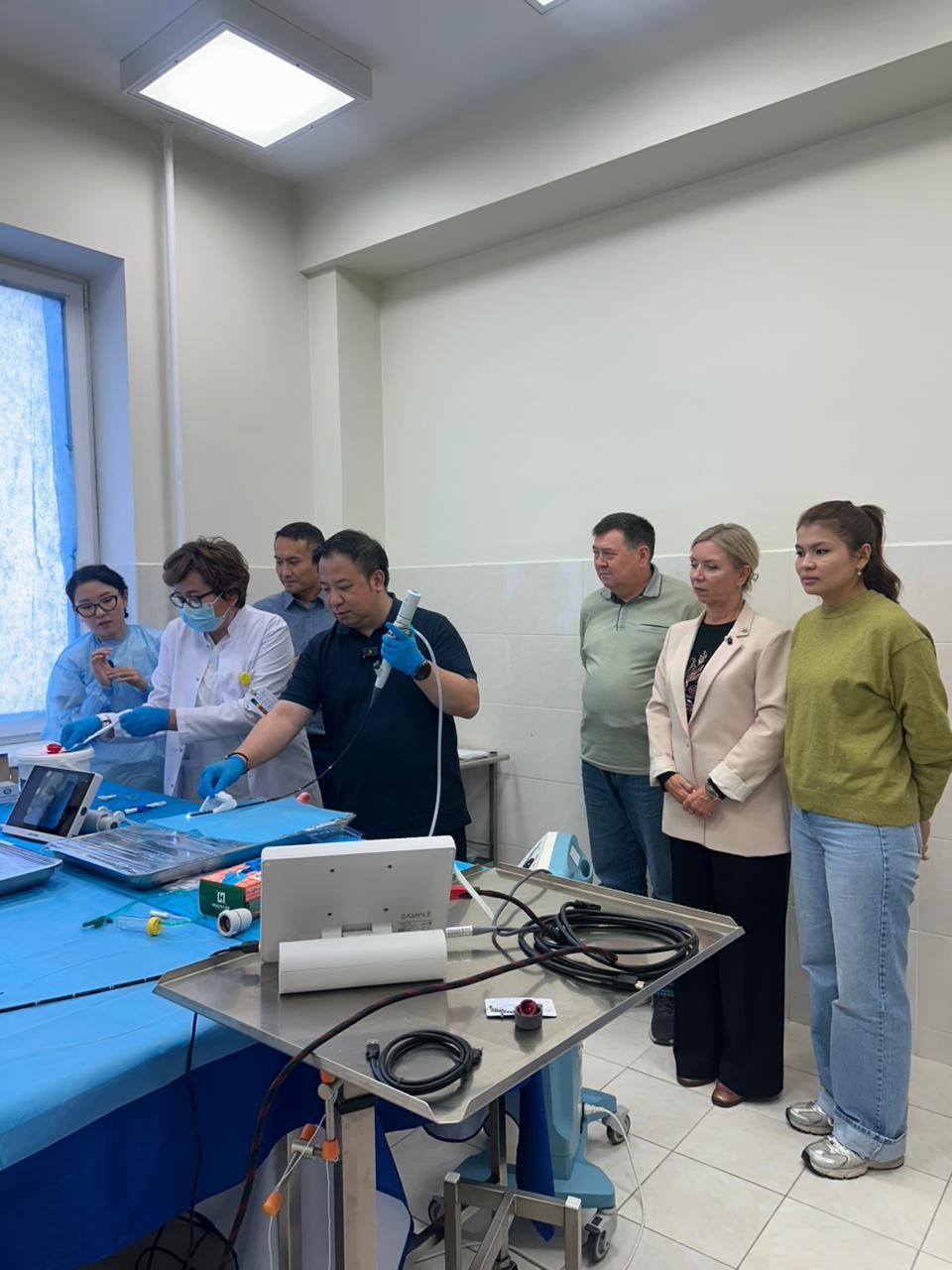
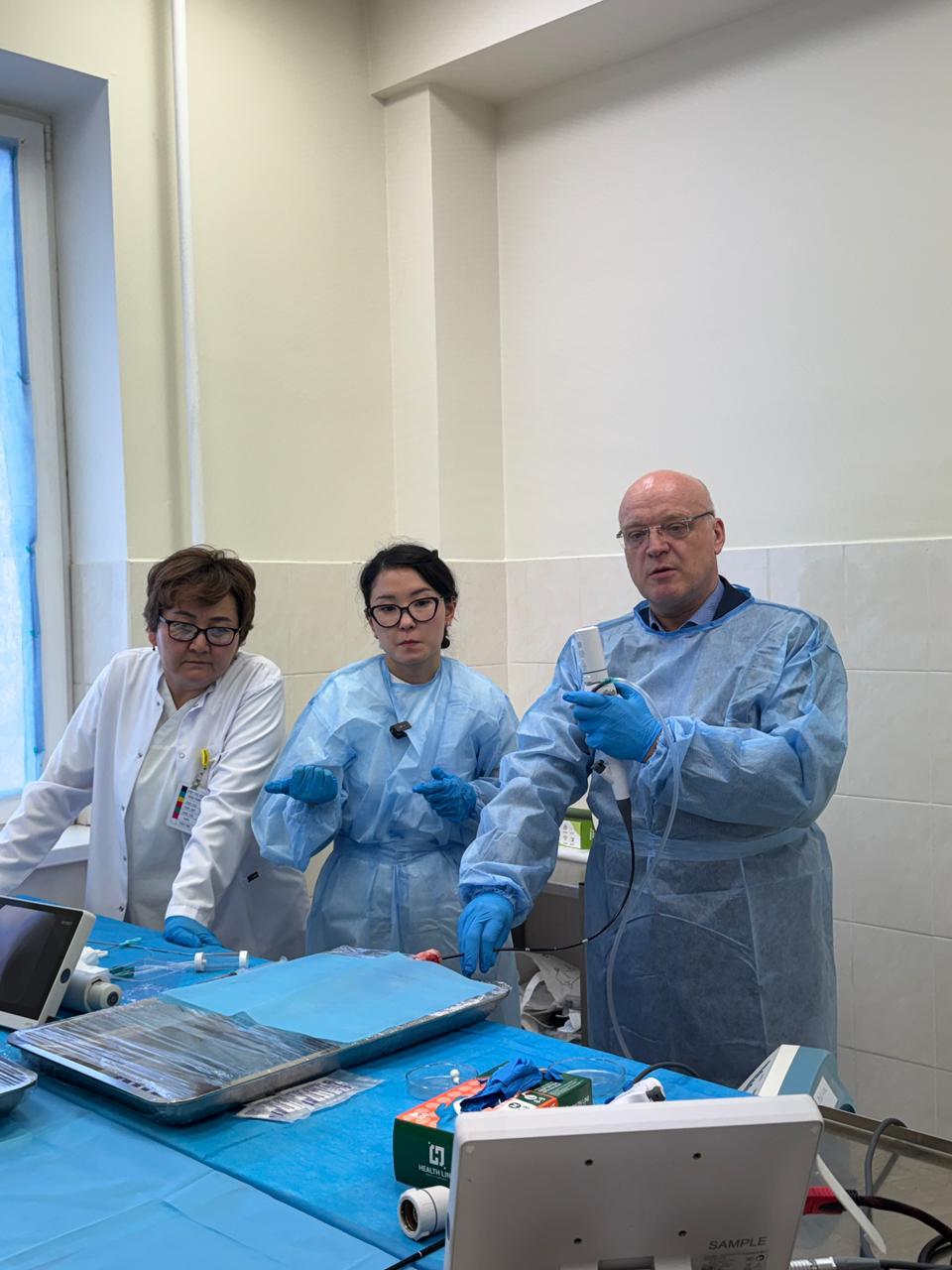
One of the key features of the course was its hands-on practical training.
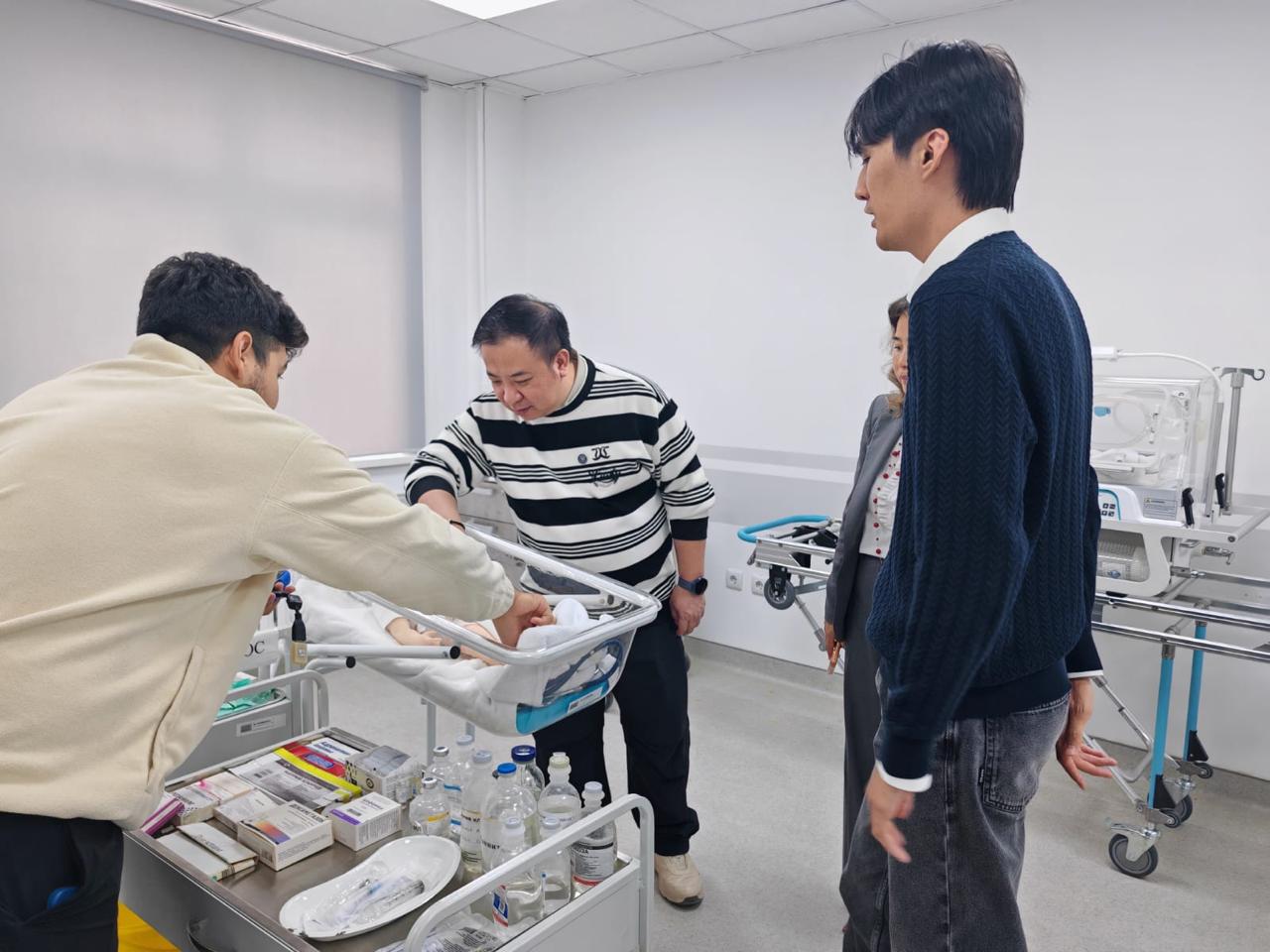
Under the guidance of international experts, participants practiced interventional bronchoscopy techniques using modern simulation equipment, explored the capabilities of single-use bronchoscopes and became familiar with advanced instruments for endobronchial interventions.
This format enabled participants to move beyond theoretical knowledge and directly develop practical skills that are increasingly important in modern clinical practice.
International cooperation through a real patient case
A joint clinical case conference involving a patient with a complex diagnosis was one of the highlights of the Chinese delegation’s visit.
Kazakhstani specialists and experts from Guangzhou Medical University jointly reviewed the clinical case, analysed diagnostic findings, discussed possible treatment options and determined the optimal strategy for further interventional treatment.
The “learning from a real patient” format became one of the most valuable components of the programme. It demonstrated how international expertise can be combined with the capabilities of Astana’s clinical services and translated into concrete medical decisions.
Knowledge that continues to make an impact
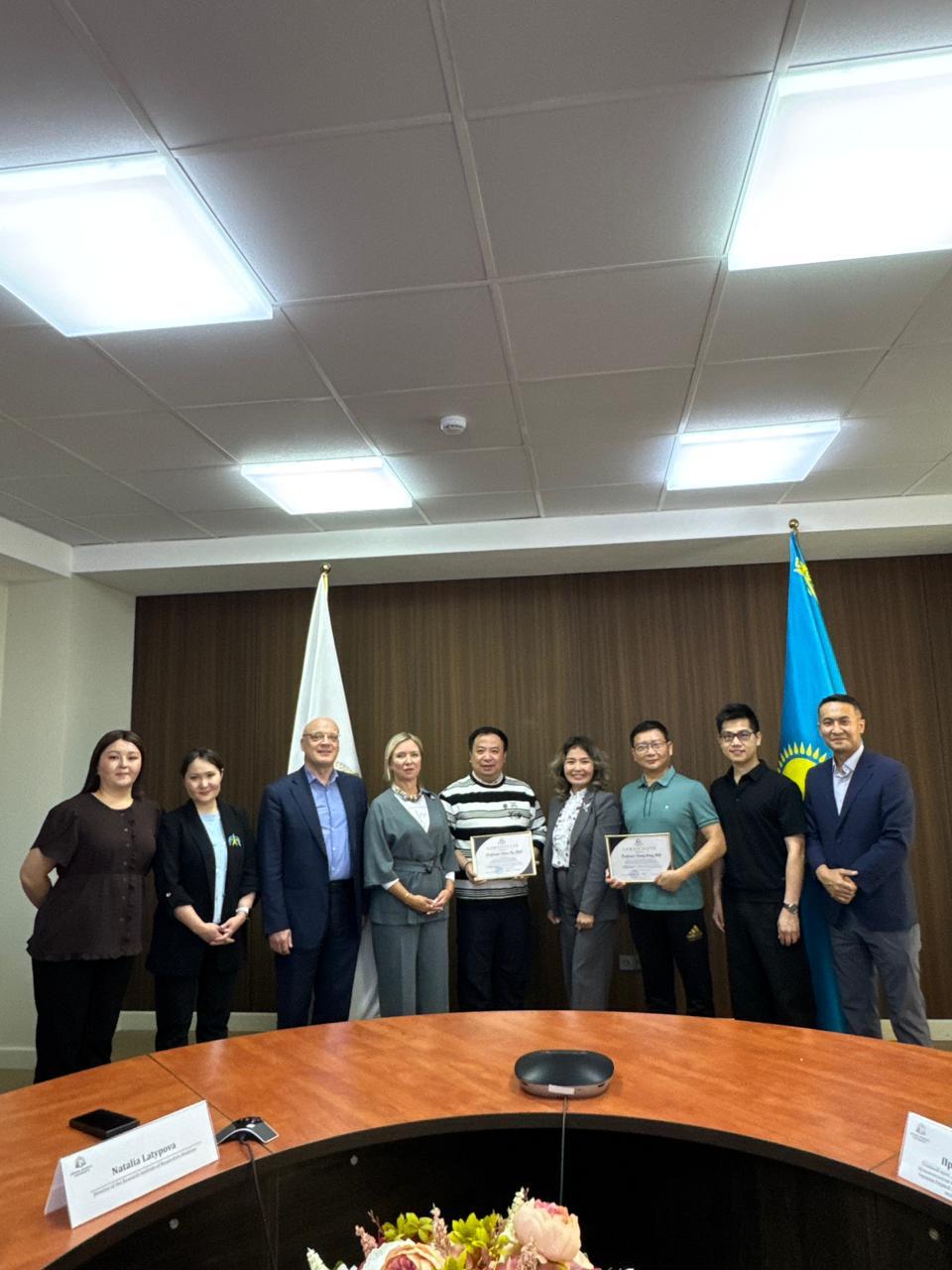
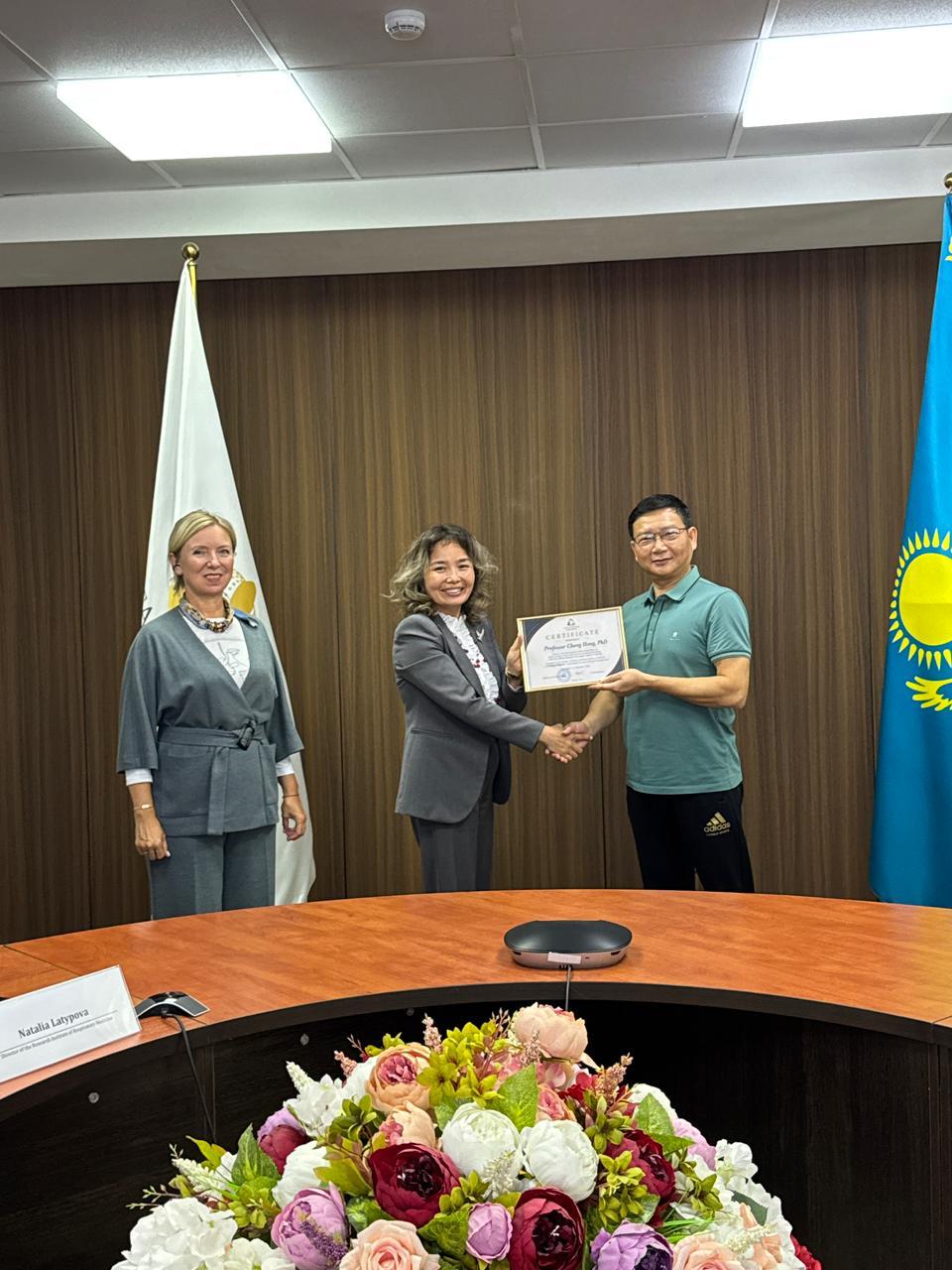
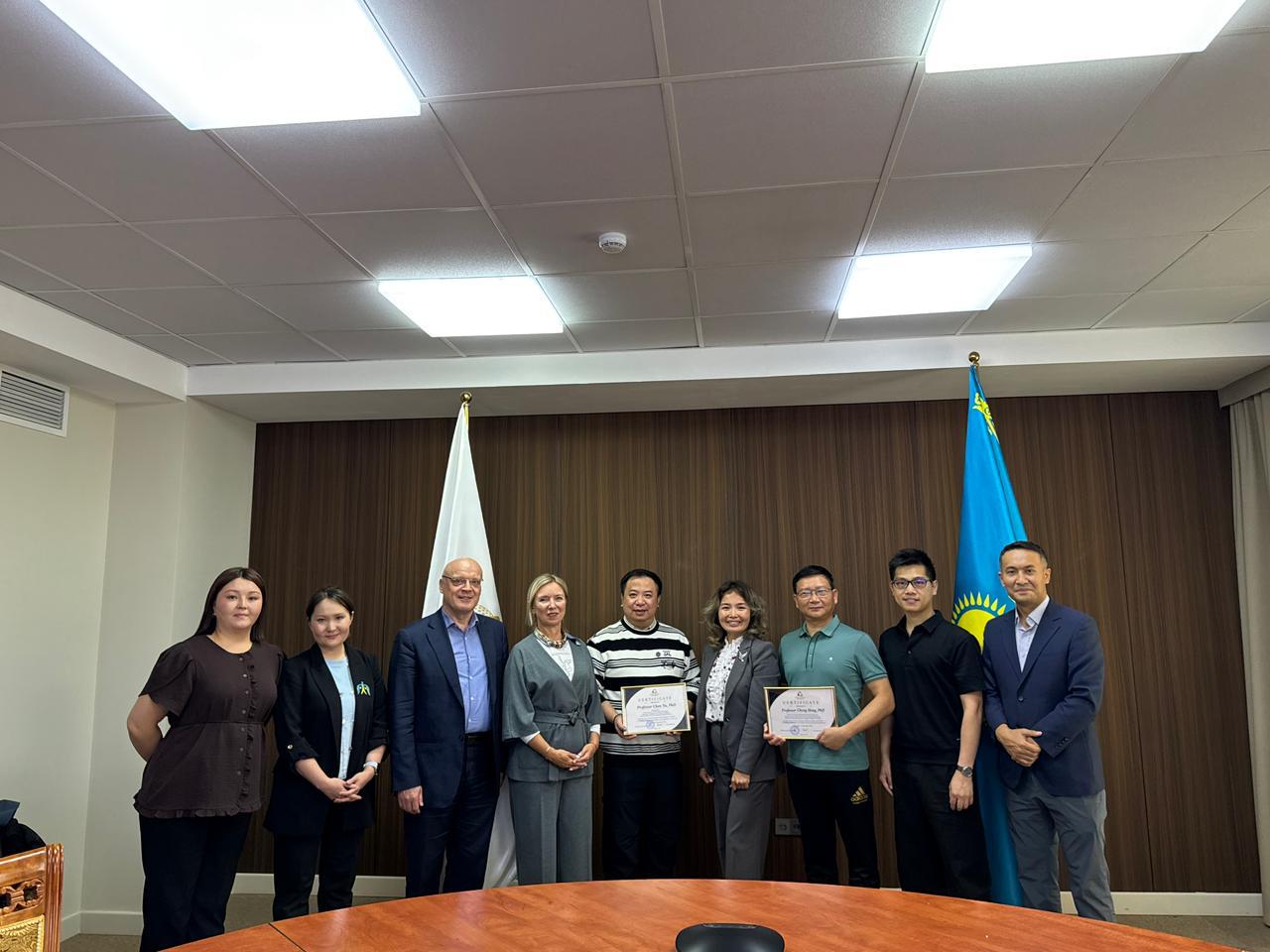
The course concluded with a certificate ceremony for the participants. The international experts were presented with commemorative gifts and expressions of appreciation for their contribution to the development of professional and educational cooperation.
During the course, Aydyn Ashimkhanov, Deputy Head of the Astana City Public Health Department, and Abylai Shakenov, Vice-Rector for Clinical Affairs of Astana Medical University, met with the experts and participants, reviewed the training programme and discussed prospects for further cooperation.
The international training course marked another practical step in strengthening the partnership between Astana Medical University, Guangzhou Medical University, the GMU Overseas Medical Training Center and clinical organisations in Astana.
The parties confirmed their interest in continuing joint educational programmes, professional exchange and the implementation of advanced interventional technologies in clinical healthcare.
The main outcome of such meetings is more than new knowledge and certificates. It is the creation of a professional environment in which international expertise becomes part of everyday clinical practice, while advanced technologies become practical tools for improving the quality of medical care.