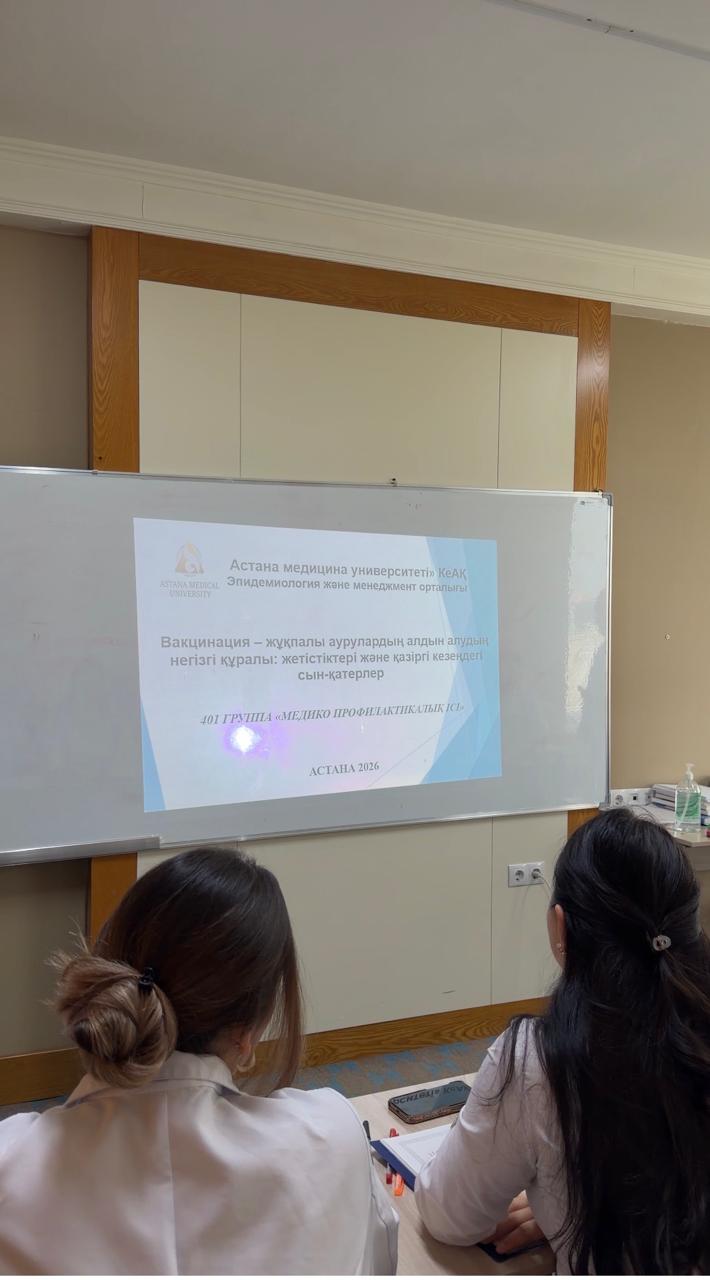
How does specific immunity develop? What are the key differences between modern vaccines, and how safe are they? Why is high vaccination coverage important not only for individual health but also for the wellbeing of society as a whole?
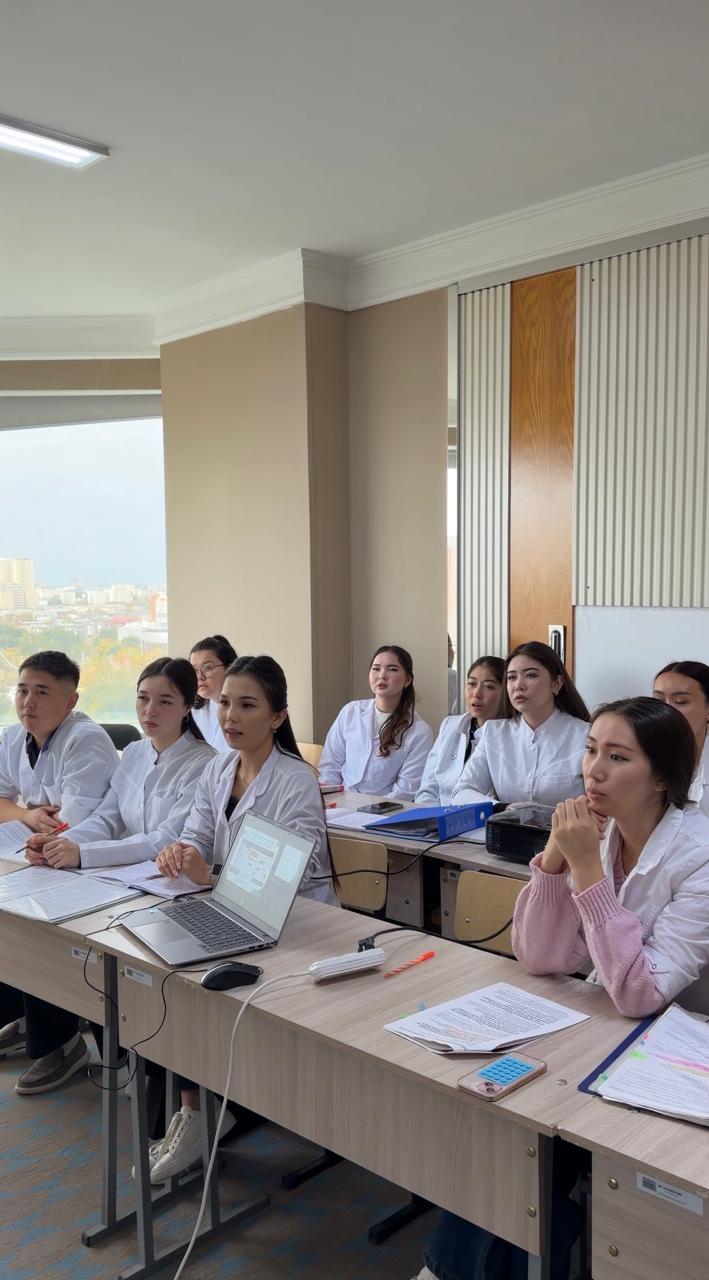
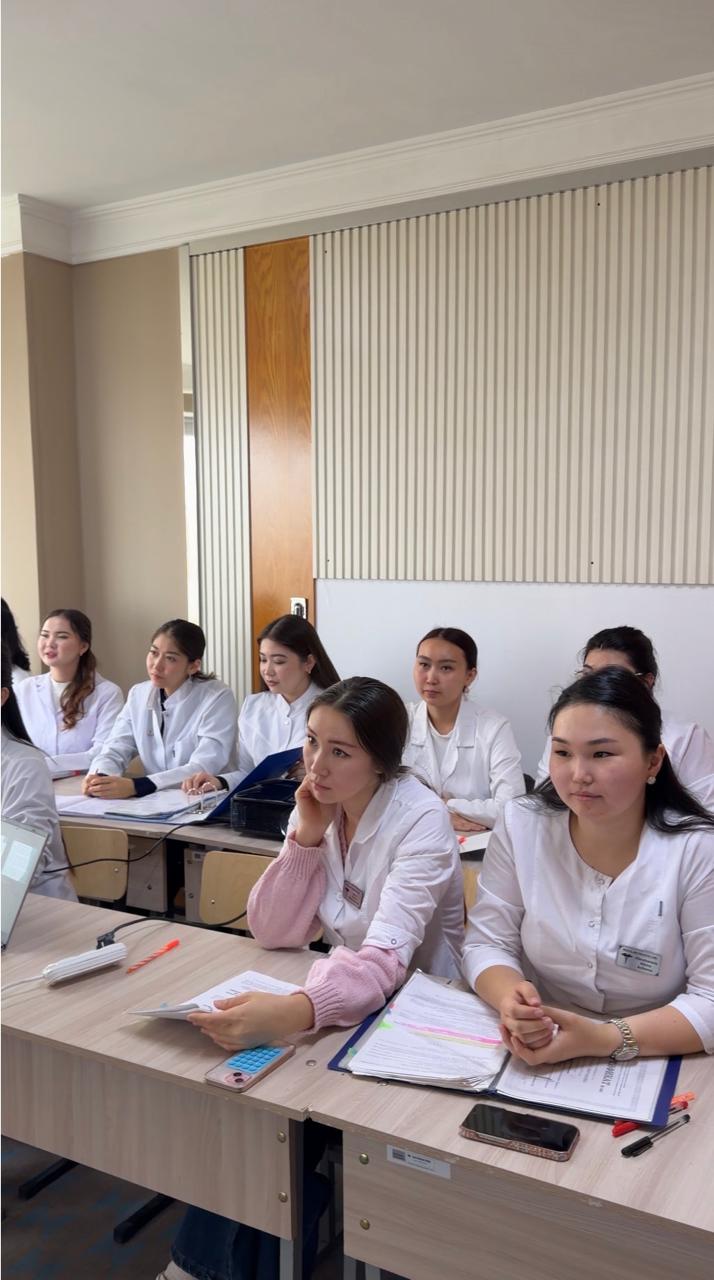
These and other questions were discussed during a scientific and practical seminar organised by the Centre for Epidemiology and Management at Astana Medical University.
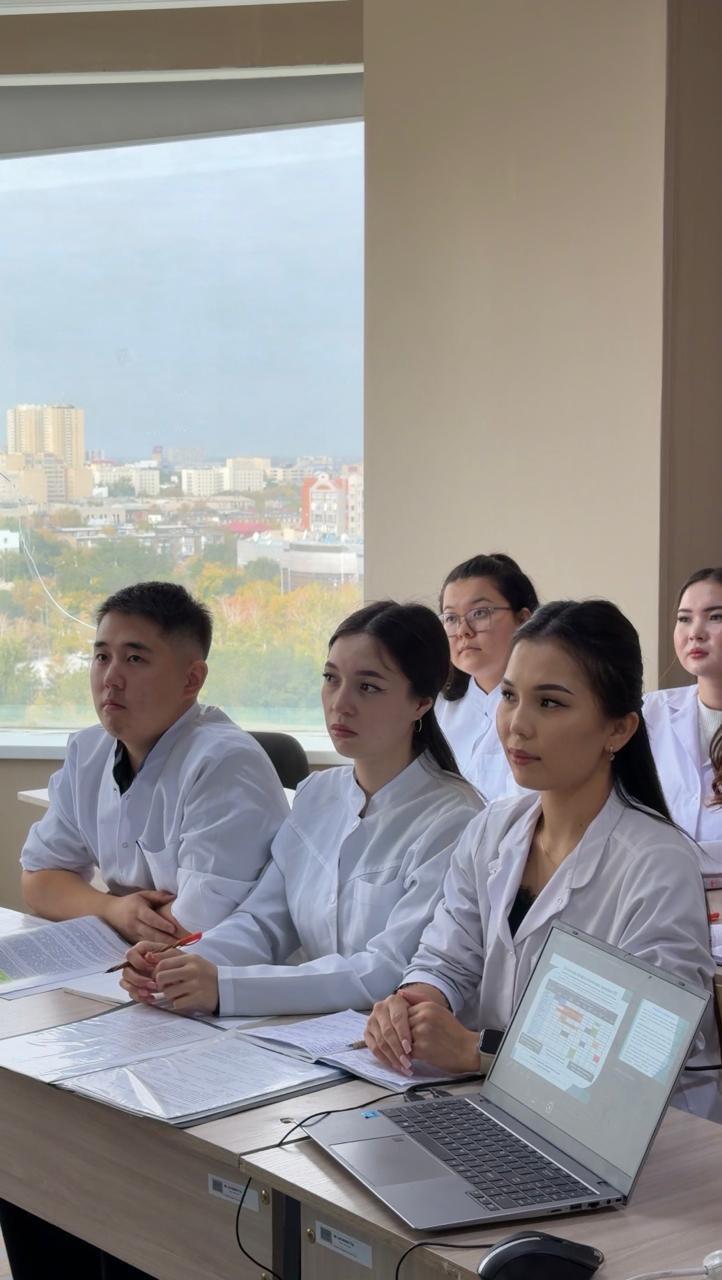
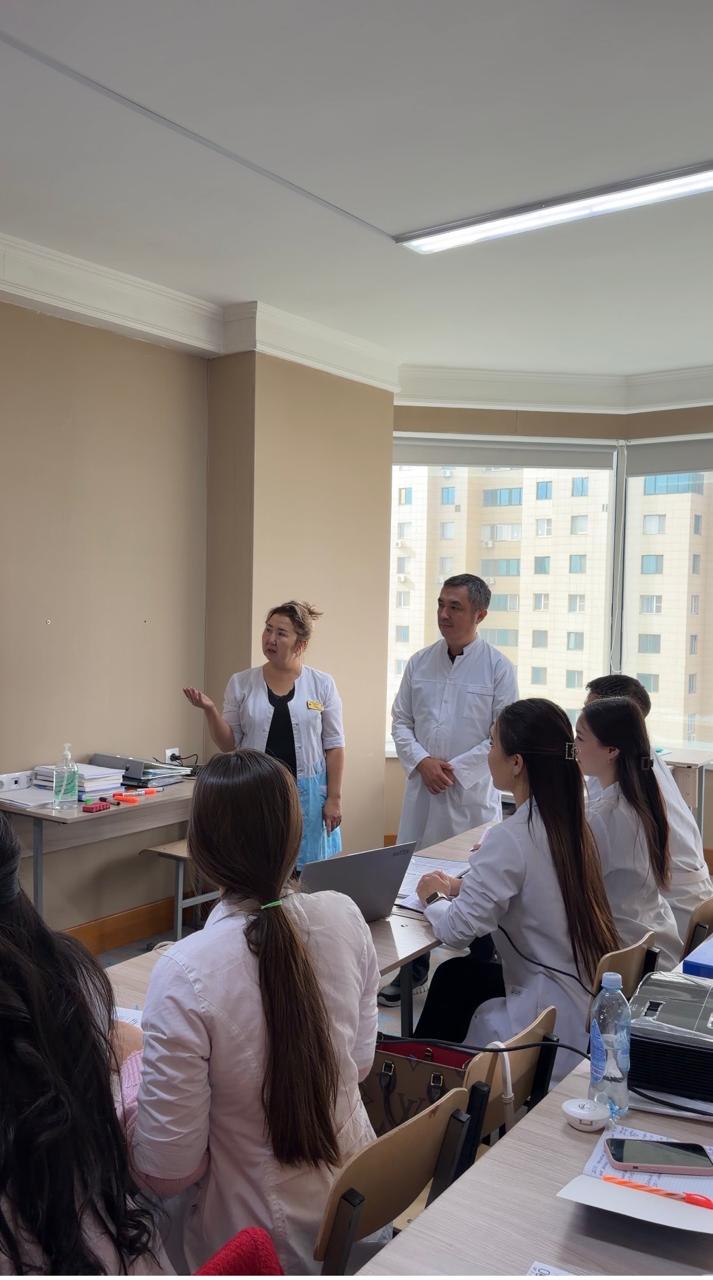
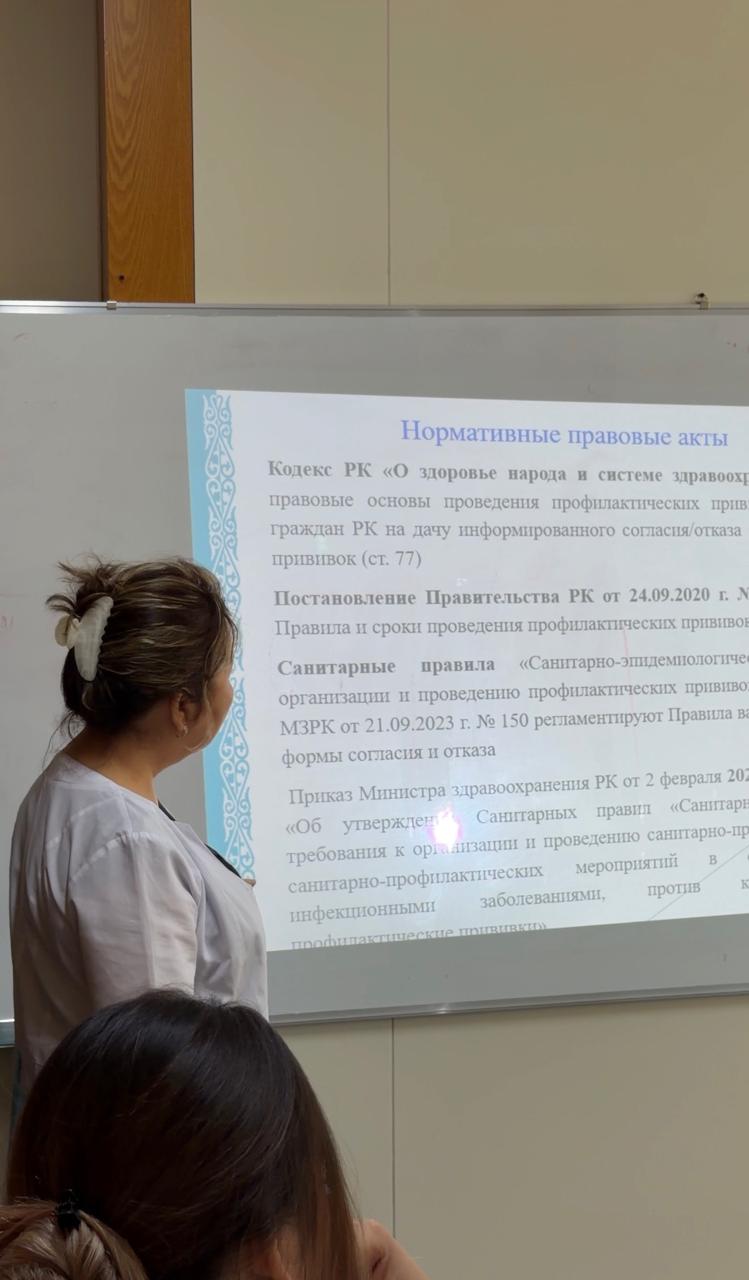
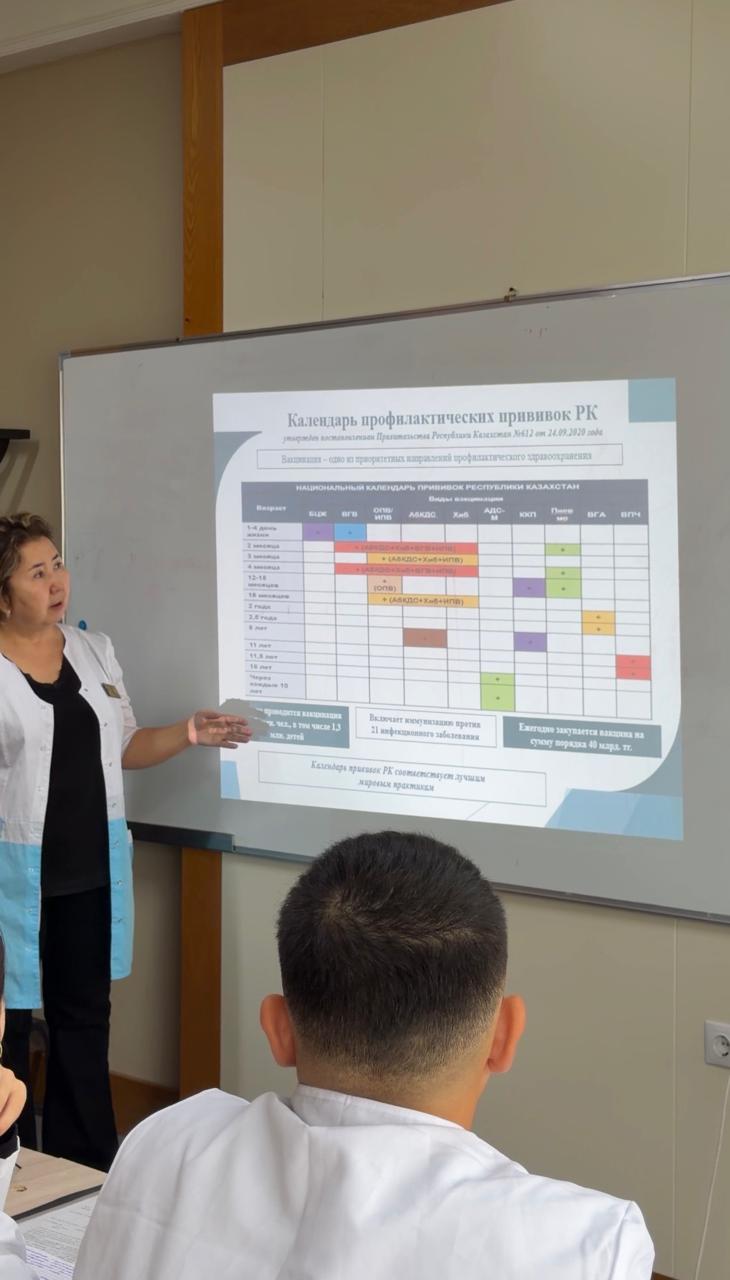
The seminar featured Aiman Mussina, Doctor of Medical Sciences, Professor and Head of the Centre, and Gulnoza Aldabekova, Senior Lecturer. Together with students from Group 401 of the Medical and Preventive Care programme, they examined key aspects of modern immunoprophylaxis — one of the major areas of preventive medicine.
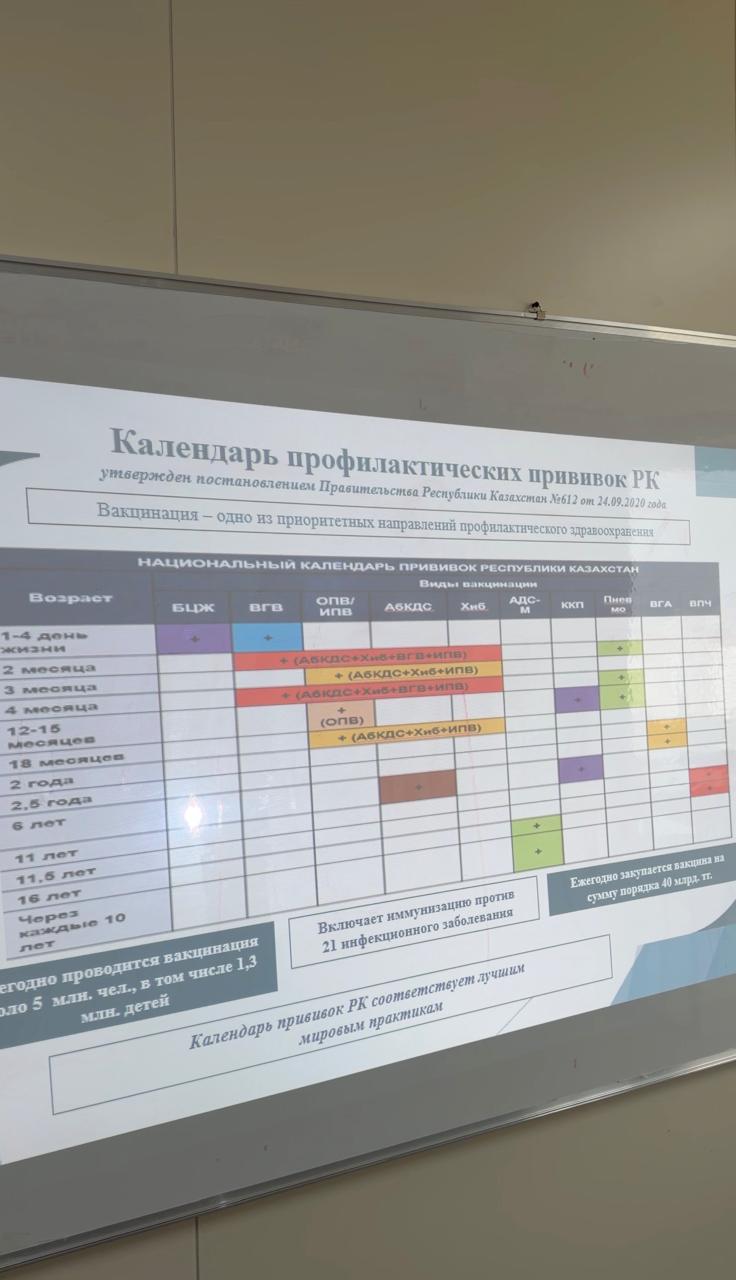
Particular attention was given to the mechanisms of specific immunity, the types and composition of modern vaccines, their mechanisms of action, and vaccine safety. The participants also discussed the importance of widespread vaccination and its role in developing herd immunity, which helps reduce the spread of infectious diseases and protect vulnerable groups.
The seminar went beyond theoretical knowledge. Through practical case studies, students applied what they had learned to specific epidemiological situations, discussed possible approaches and solutions, and engaged in a direct dialogue with the lecturer.
The discussion highlighted the multifaceted nature of modern immunoprophylaxis. Every vaccination decision involves scientific evidence, risk assessment and responsibility not only to the individual patient but also to the wider community.
For future specialists in medical and preventive care, such sessions provide an opportunity to gain a deeper understanding of infectious disease prevention while still at university and to develop the skills needed to apply up-to-date knowledge in real-world practice.