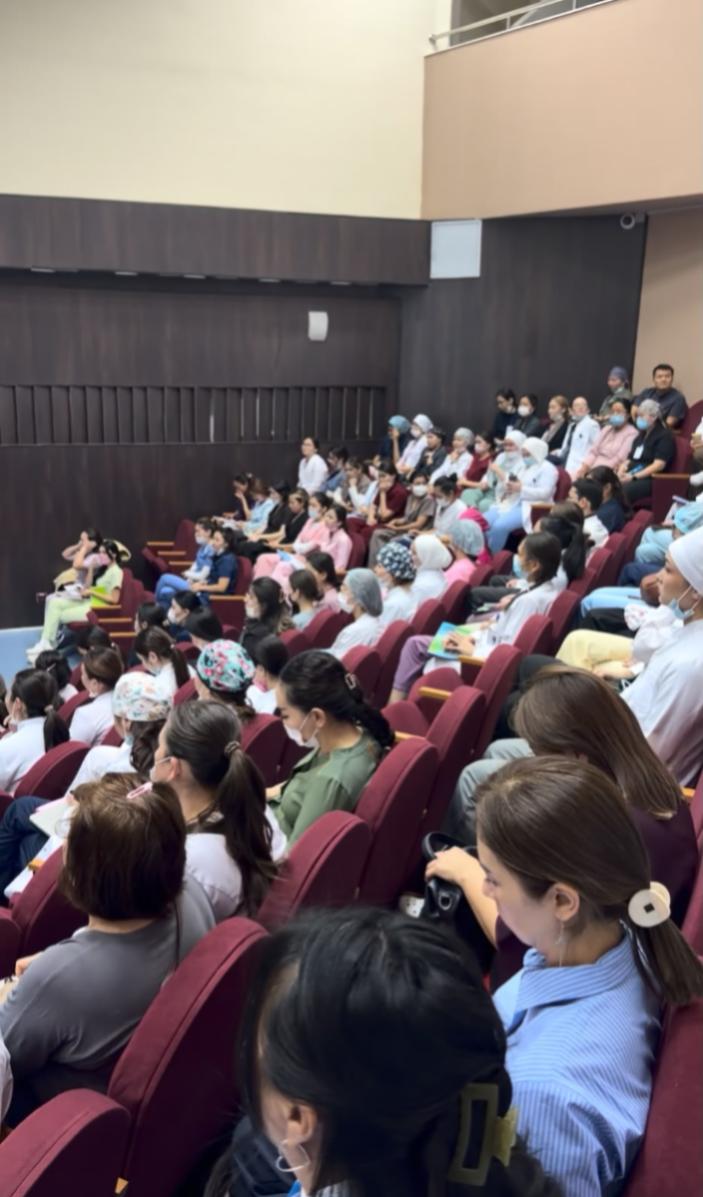
The seasonal rise in respiratory infections presents new challenges for healthcare systems every year. How can influenza and acute respiratory viral infections (ARVI) be identified promptly, effective treatment strategies selected, and serious complications prevented? These issues were discussed by participants at a Republican Scientific and Practical Conference held in Astana.
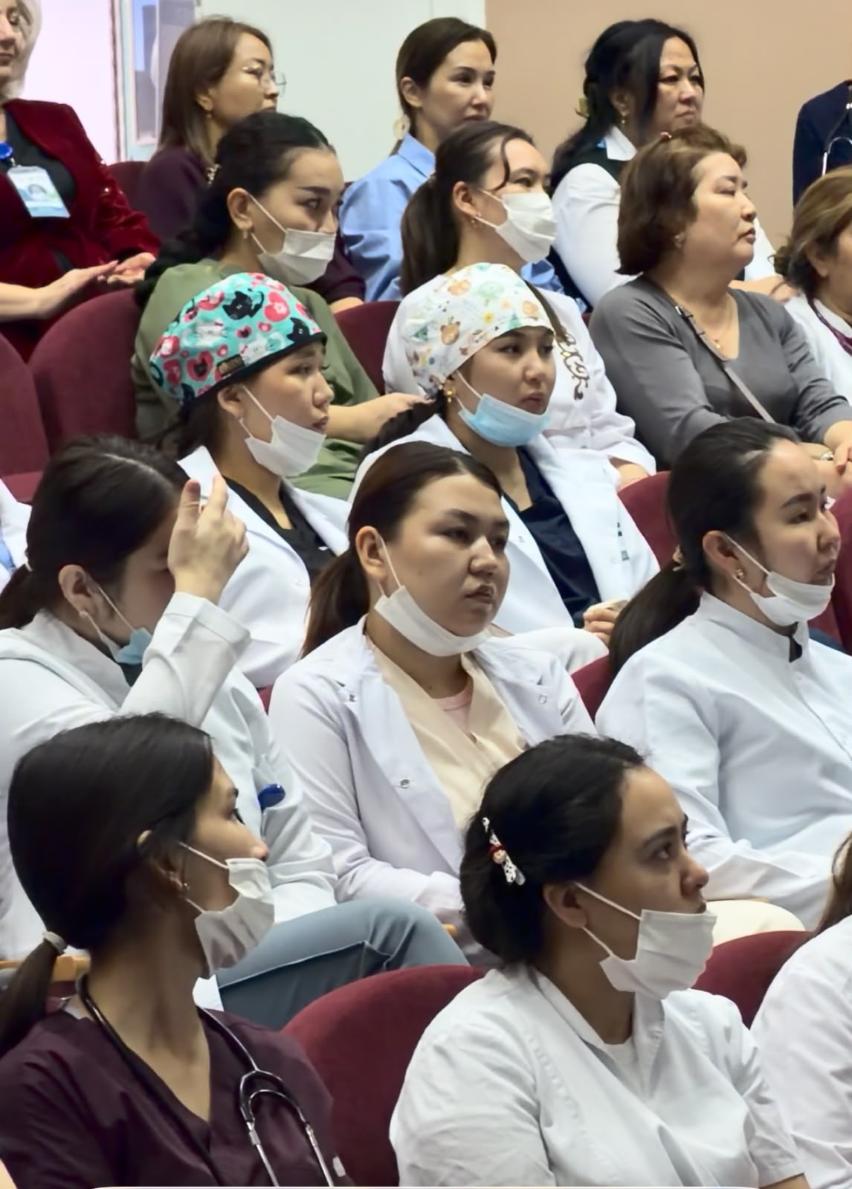
On October 9, 2026, the conference entitled “Influenza and ARVI in Children and Adults: Seasonal Challenges and Opportunities for Vaccine Prevention” took place at City Multidisciplinary Children's Hospital No. 3. The event brought together specialists in infectious diseases, pediatrics, epidemiology, and public health.
The discussions focused not only on modern approaches to diagnosing and treating respiratory infections but also on preventive measures, which play a crucial role in reducing disease incidence and the risk of severe complications.
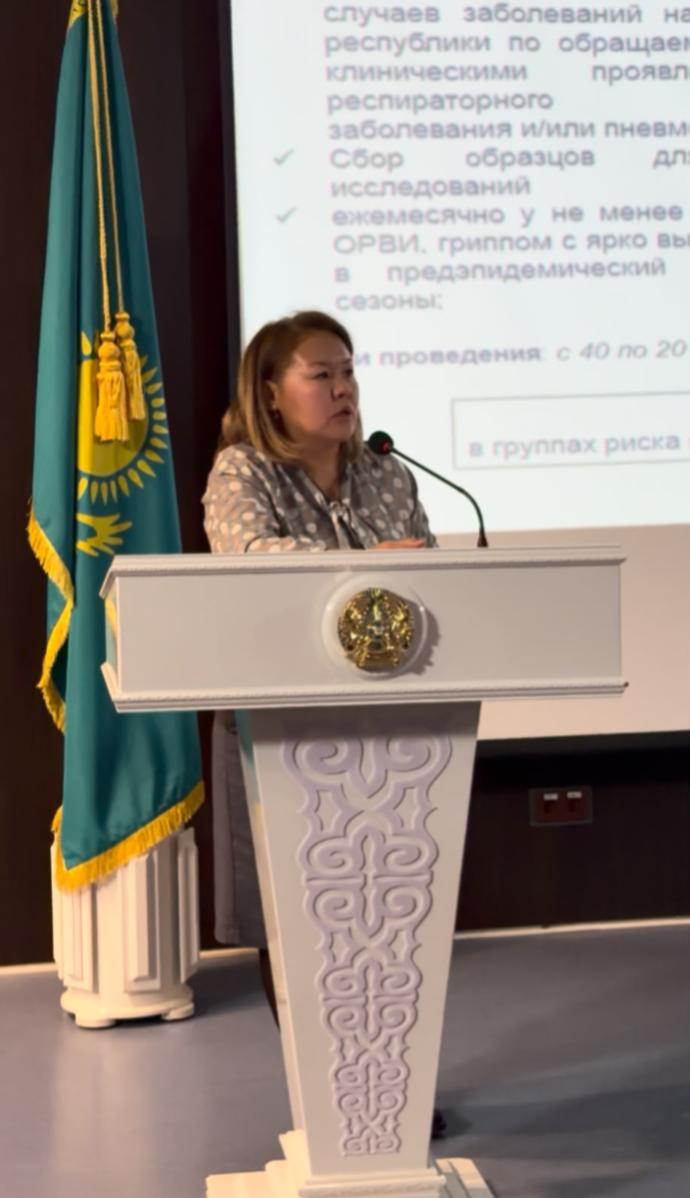
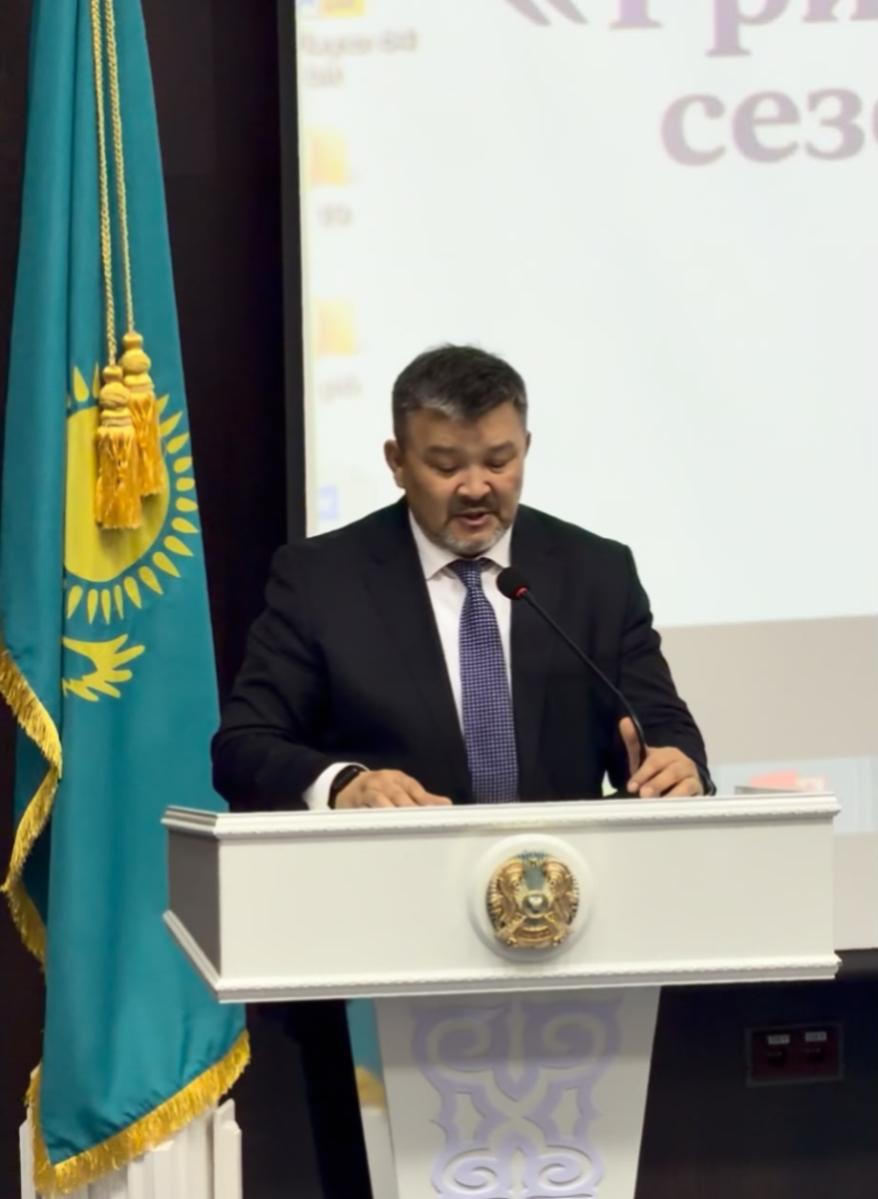
The conference opened with welcoming remarks from Gulnaz Dosmyrzayeva, Deputy Head of the Astana City Public Health Department; Abylai Shakenov, Vice-Rector for Clinical Affairs of the National Medical University named after Toregeldy Sharmanov; and Marat Abduov, Director of City Multidisciplinary Children's Hospital No. 3.
During the conference, leading specialists delivered presentations on the current epidemiological characteristics of influenza and ARVI, the clinical course of respiratory infections in children and adults, timely diagnosis, rational treatment approaches, and opportunities for vaccine prevention.
Particular attention was given to preventing severe disease and complications, increasing vaccination coverage, and strengthening interdisciplinary cooperation among healthcare professionals at different levels of medical care.
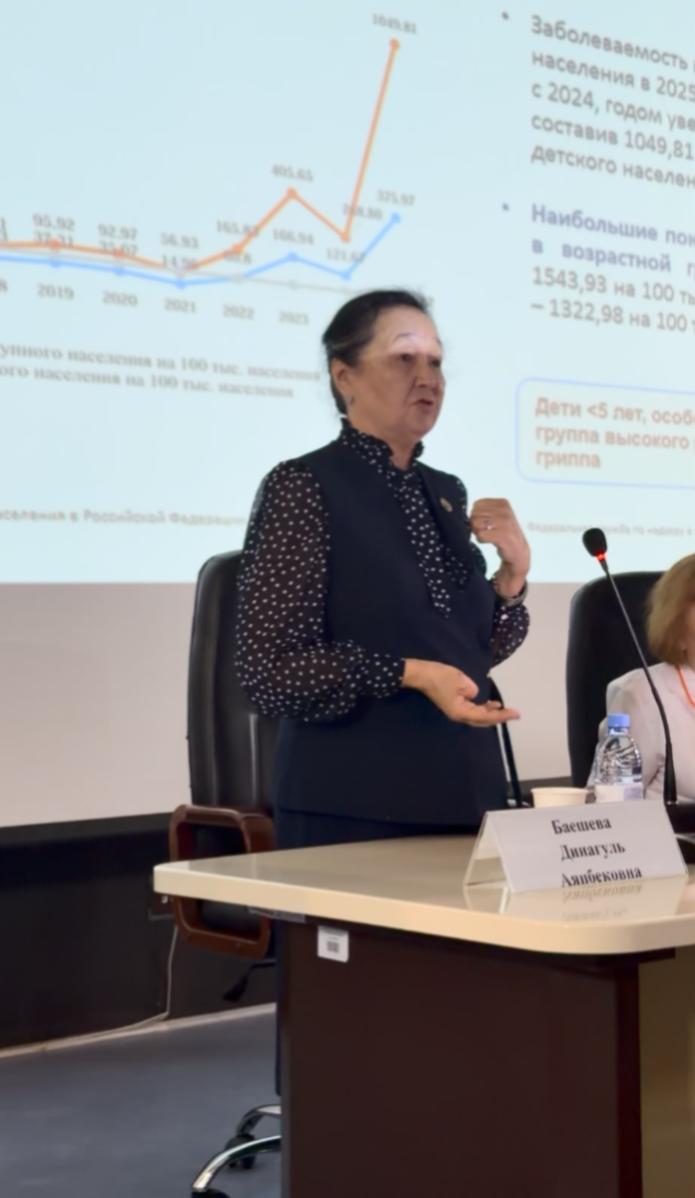
The Department of Pediatric Infectious Diseases of the University, headed by Professor Dinagul Baesheva, played an important role in organizing the conference and providing its academic and methodological support. The department's active involvement, close cooperation with healthcare practitioners, and engagement of leading experts made it possible to develop a relevant scientific programme focused on addressing key challenges in modern infectious disease medicine and improving clinical practice.
The conference provided an opportunity not only to discuss the challenges of the upcoming epidemic season but also to exchange professional experience, compare scientific evidence with clinical practice, and identify areas for further cooperation.