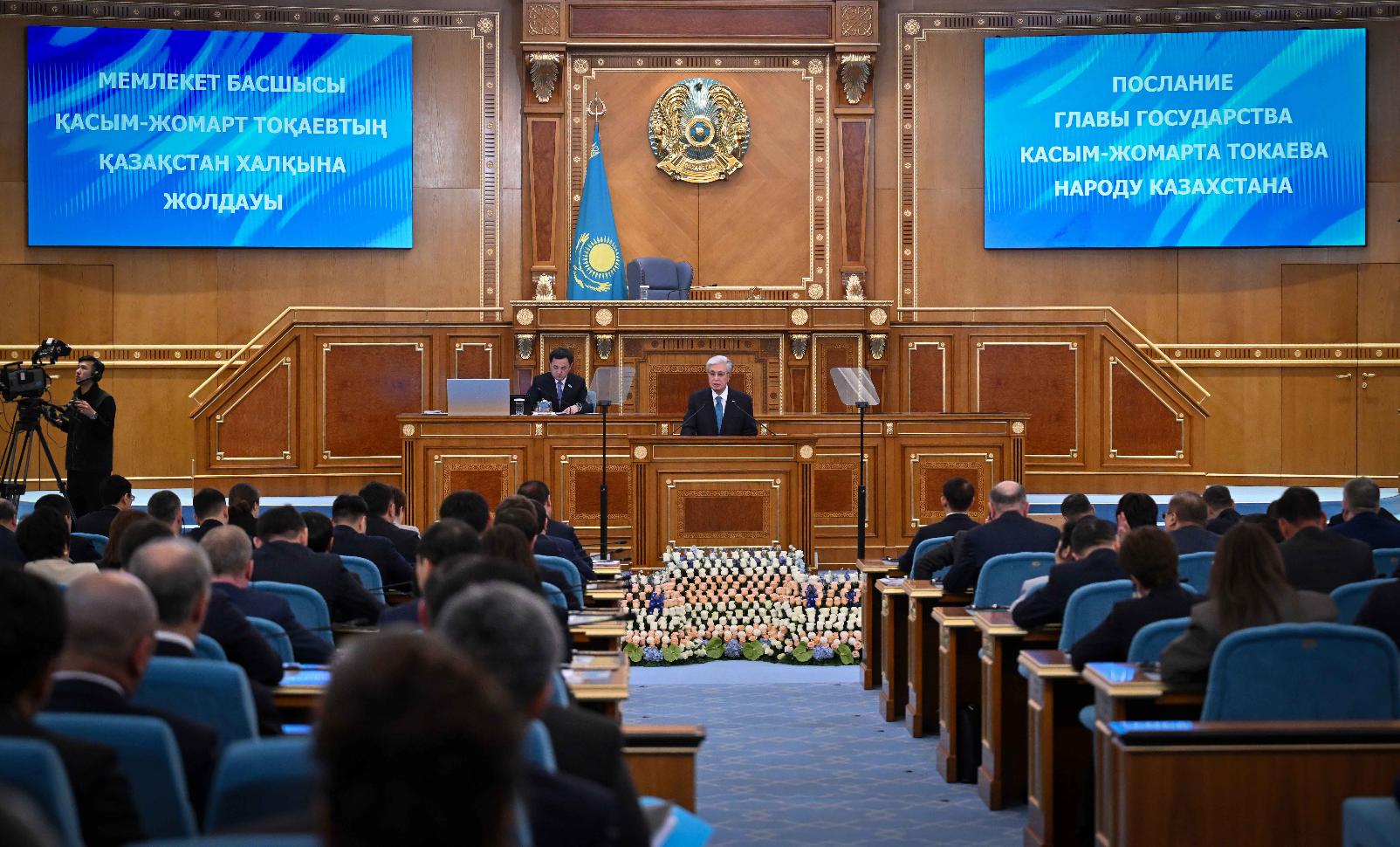
In his Address to the People of Kazakhstan, “Kazakhstan’s Key Tasks in a New Historical Period,” President Kassym-Jomart Tokayev outlined priorities for modernising primary healthcare. Particular attention was given to expanding the responsibilities of general practitioners, gradually increasing primary healthcare funding, and raising pay for professionals working in district primary care services.
The Head of State instructed the Government to increase salaries for district primary care professionals by up to 40 per cent from 1 January 2027, depending on their length of continuous service. The measure will increase the incomes of more than 77,000 employees.
According to the Ministry of Healthcare, the proposed continuous-service allowances would amount to 20 per cent of the position-based salary for more than two years of service, 30 per cent for more than three years, and 50 per cent for more than five years. These proposed allowances are calculated as a percentage of the position-based salary and should be distinguished from the overall percentage increase in earnings.
The Ministry’s estimates indicate that, including the allowance, salaries for general practitioners in the highest length-of-service category could reach KZT 760,000 in rural areas and KZT 607,000 in cities. Corresponding salaries for nursing and other mid-level healthcare staff could reach KZT 401,000 and KZT 318,000, respectively. Pay increases are also planned for professionals with shorter service records.
Additional payments to compensate psychologists and social workers in primary care for emotional and psychological workload are also under consideration.
The proposed measures aim to support experienced professionals, improve staff retention in outpatient clinics and rural medical facilities, reduce workforce shortages, and increase access to healthcare.
The priorities outlined in the Address are directly relevant to the medical university. Training primary care physicians requires sound clinical knowledge, practical skills, and readiness to work independently with patients. Developing primary healthcare and supporting its workforce will create further opportunities for graduates to establish themselves professionally and pursue careers in the healthcare system.