Right now, your biggest priority might be passing anatomy, making sense of pharmacology, or preparing for your first clinical shift. Building hospitals and reforming primary care may seem far removed fr om student life. Yet in a few years, you will be working in that very system. That is why the President’s Address has a direct bearing on your professional future.
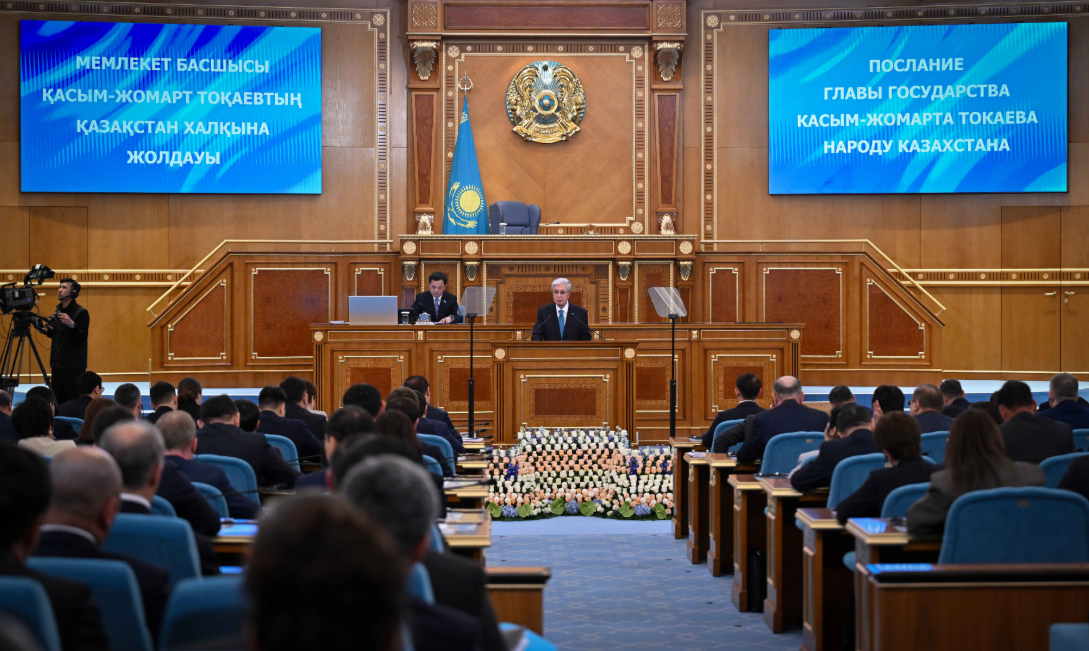
In his Address on October 28, Kassym-Jomart Tokayev outlined plans to build perinatal centres and children’s hospitals and modernise primary care. For students, this signals where expertise will be needed: caring for children, supporting women during pregnancy, helping families, and identifying health problems early.
Take a closer look at primary care.
This is wh ere people first turn with worries, unexplained pain, or test results they have tried to interpret online. The doctor’s task is to connect individual symptoms into a bigger picture, refer patients to specialists when needed, explain treatment, and maintain their trust.
The President called for broader responsibilities for general practitioners and a phased increase in primary care funding. From January 1, 2027, salary increases of up to 40 per cent are also planned for primary care district service staff, based on continuous service. This is a reason to look more closely at a career path you may not have considered.
New clinics will demand thorough preparation.
Modern equipment expands what doctors can do. You will be the ones putting those capabilities into practice. That makes hands-on learning important today: practising in simulation centres, discussing clinical cases, and asking your mentors questions. Especially the questions you feel uncomfortable asking in front of the group.
Being able to say “I don’t know yet” and then find the answer is an important professional habit. So are checking information, listening to colleagues, and asking for help when you need it.
There is always a person behind a medical decision.
The Address also highlights the need to identify children with special educational needs early and address specialist shortages. For future doctors, this translates into practical skills: recognising developmental differences, listening carefully to parents, explaining the next steps clearly, and helping families access the support they need.
These skills require learning, too. A conversation with a patient deserves the same preparation as an examination or a medical procedure.
For students at Sharmanov National Medical University, the Address offers a chance to look beyond the next exam season. To consider which field you want to become skilled in, what experience you need, and what deserves more of your attention today.
The medicine of the future is gradually becoming your everyday work. First in the classroom. Then at the bedside of a patient who will rely on your knowledge and decisions.