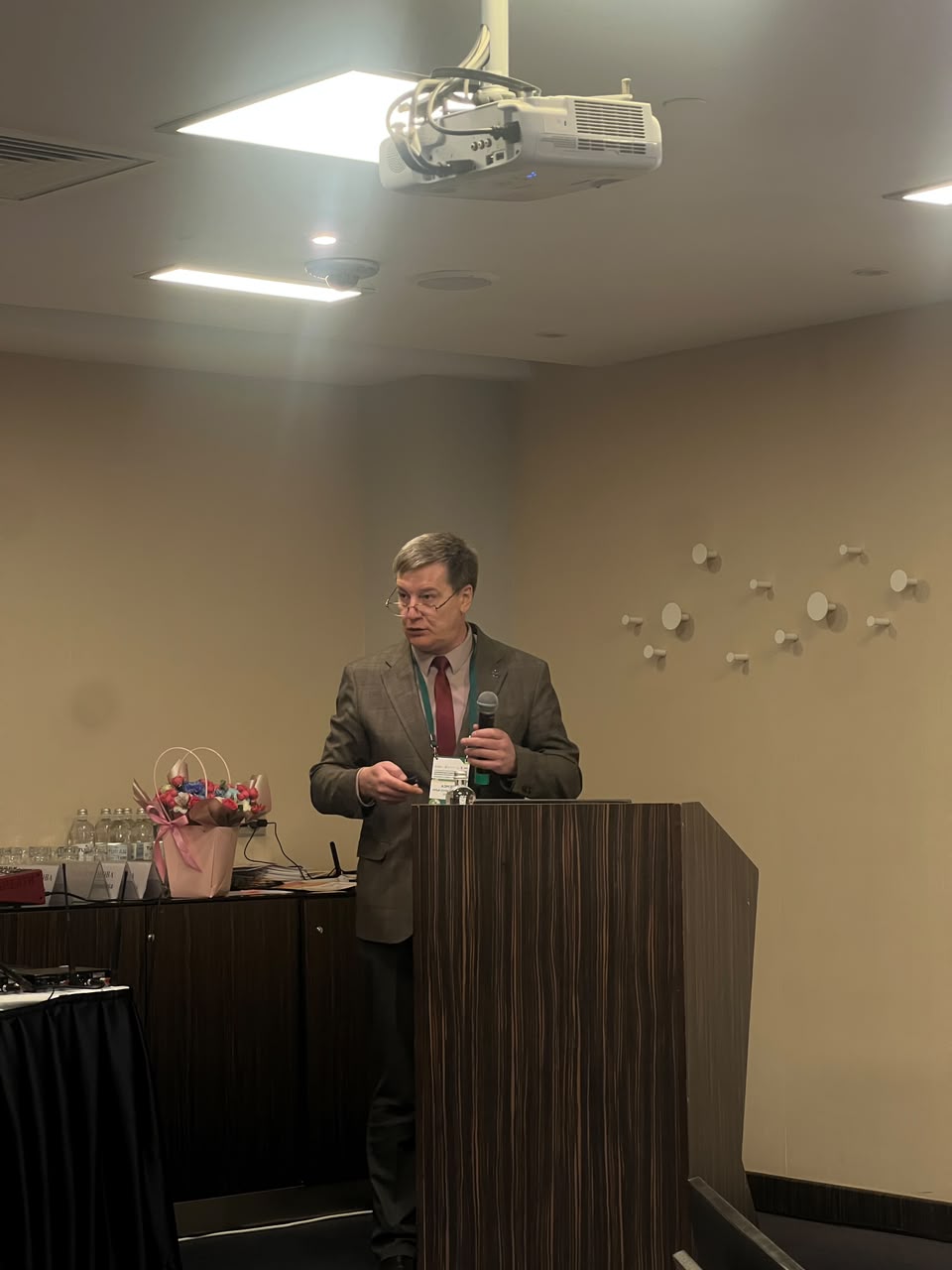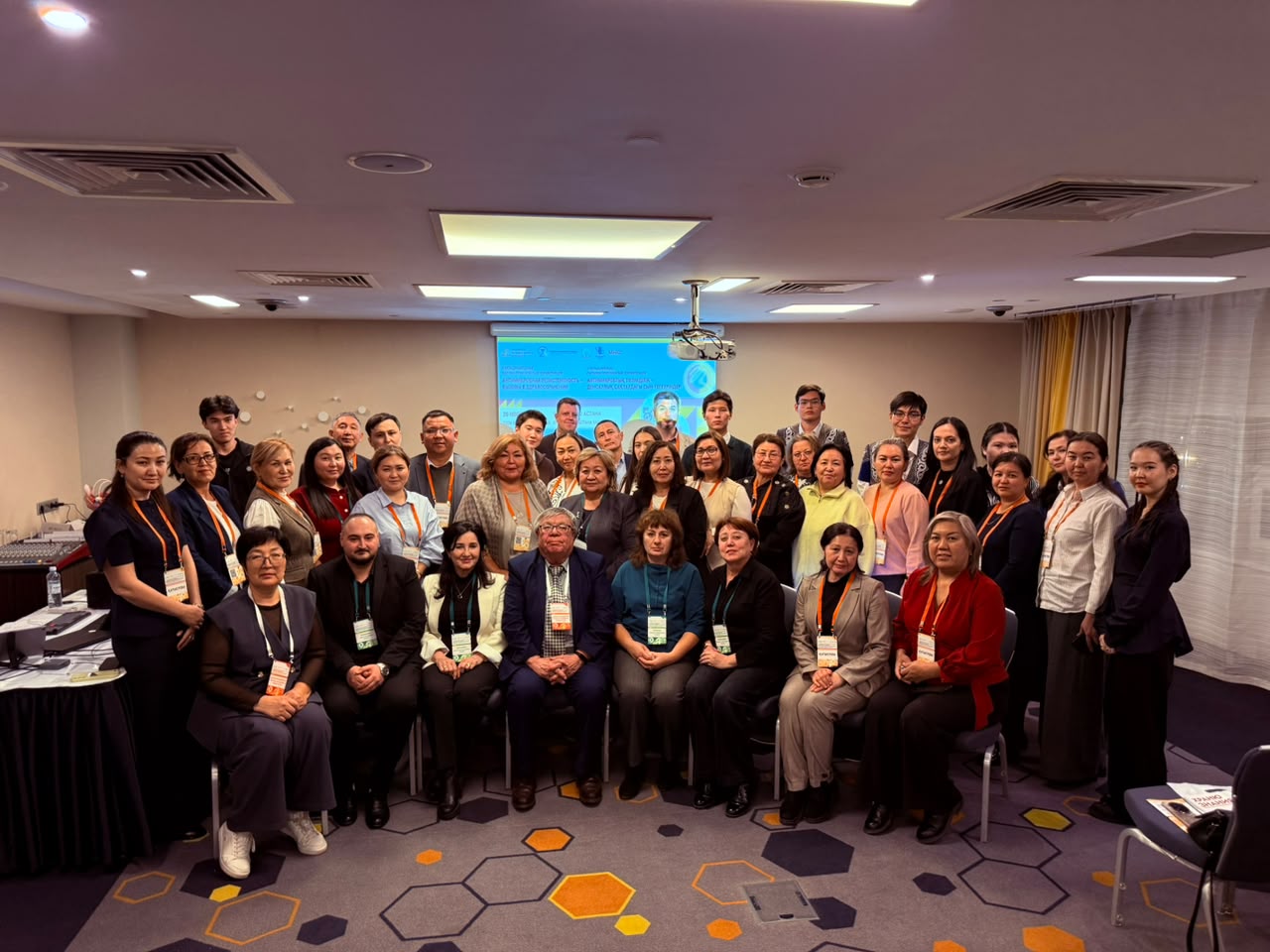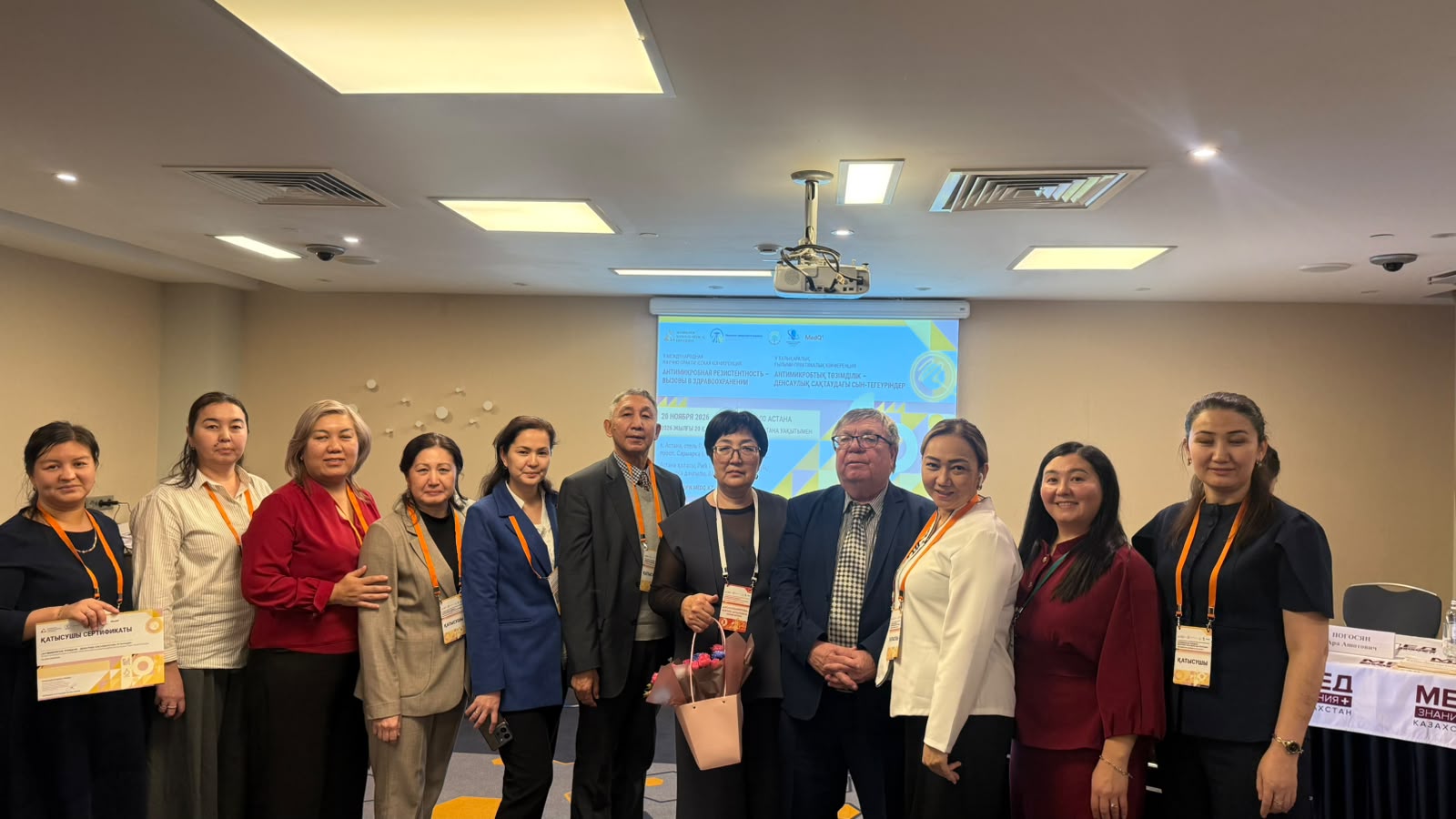
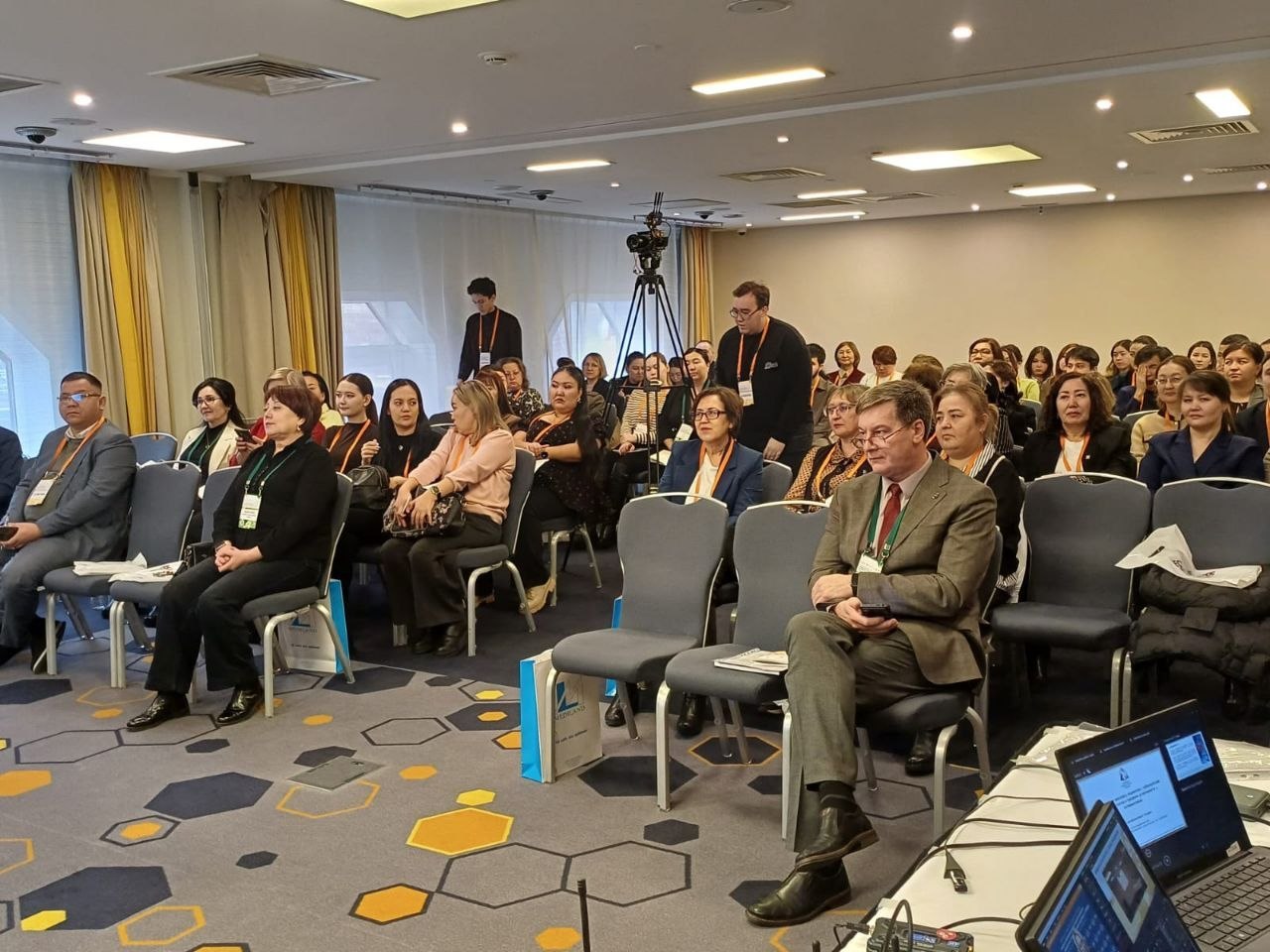
Scientists, physicians and laboratory specialists from seven countries gathered in Astana for the 5th International Scientific and Practical Conference “Antimicrobial Resistance: Challenges in Healthcare.”
The professional discussion brought together experts from Kazakhstan, Armenia, Belarus, Georgia, Russia, the United States and Uzbekistan. The conference focused on one of the most serious challenges facing modern medicine: the growing resistance of microorganisms to medicines. Specialists discussed how to detect infectious agents more quickly and accurately, monitor their resistance and sel ect effective treatment.
The conference was organised by the Sh. I. Sarbassova Department of Microbiology and Virology at T. Sharmanov National Medical University in collaboration with the National Center for Public Health of the Ministry of Healthcare of the Republic of Kazakhstan, the Federation of Laboratory Medicine and the Eurasian Association of Pharmacotherapy.
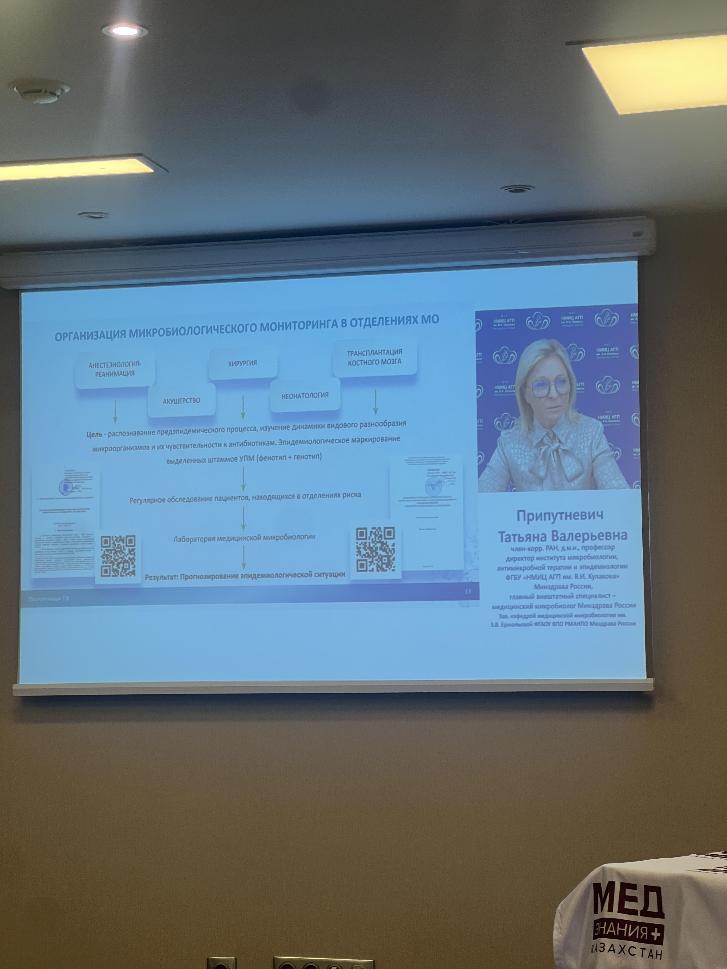
The participants were welcomed by Professor Zarina Shulgau, Vice-Rector for Research at the University; Zhanar Suleimenova, Chief External Expert in Clinical Laboratory Diagnostics at the Ministry of Healthcare of the Republic of Kazakhstan and President of the Federation of Laboratory Medicine; and Professor Tatiana Priputnevich, Corresponding Member of the Russian Academy of Sciences and Chief External Expert in Medical Microbiology at the Russian Ministry of Health.
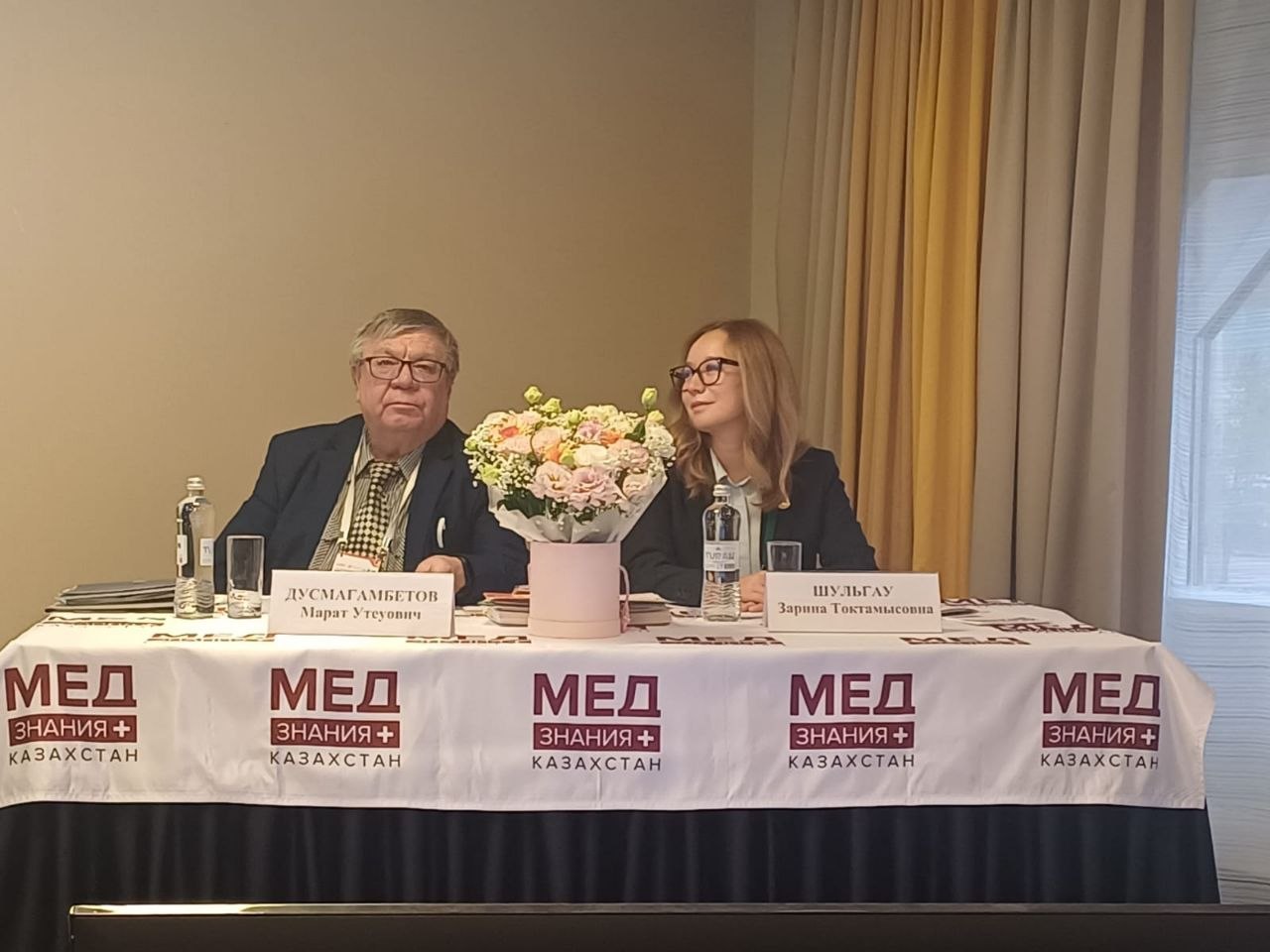
The plenary session honoured the memory of Sh. I. Sarbassova, Doctor of Medical Sciences, Professor and Academician of the Academy of Natural Sciences of the Republic of Kazakhstan. Professors Marat Dusmagambetov and Sofia Khostelidi moderated the session.
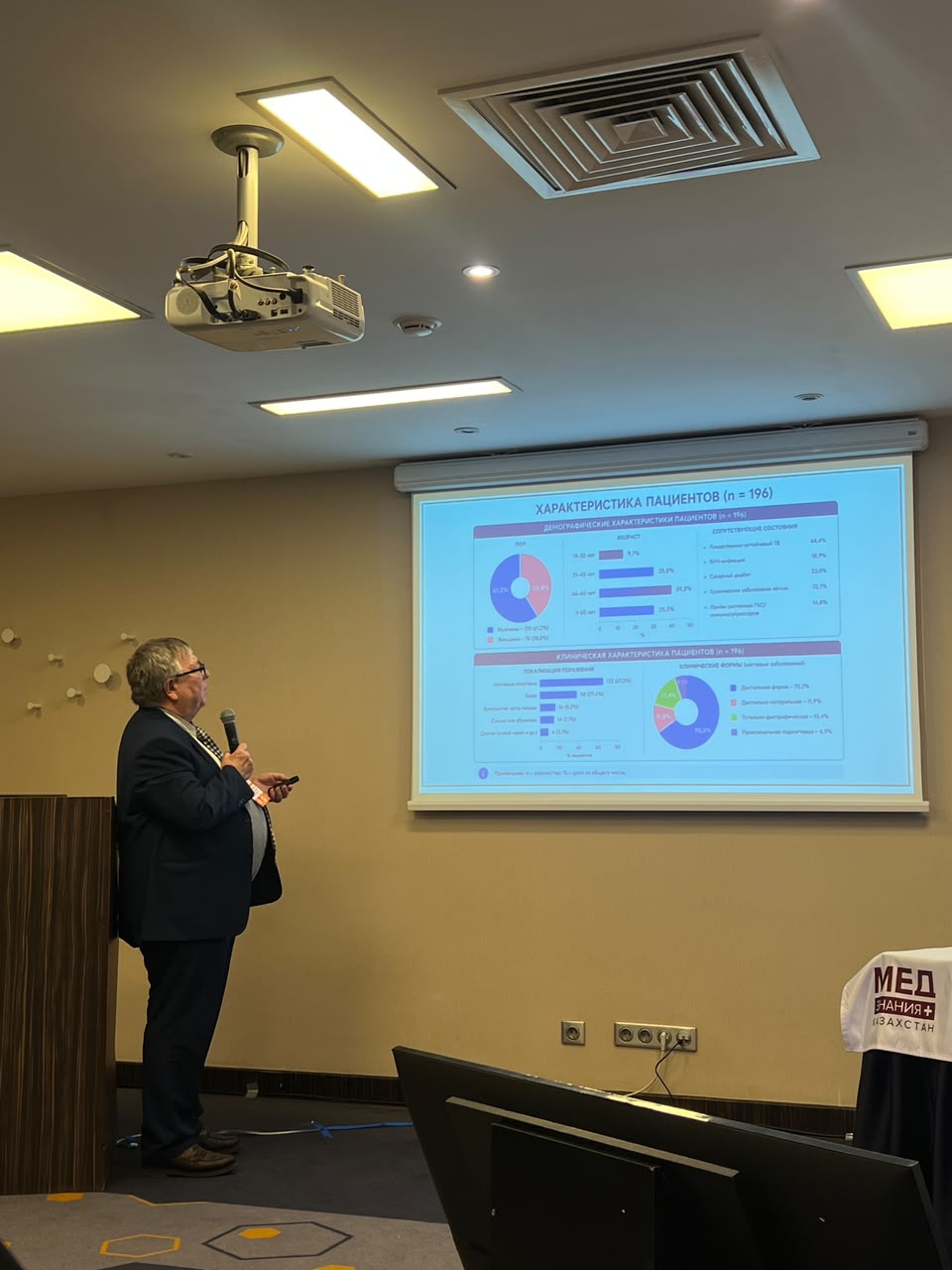
Marat Dusmagambetov presented the fungal pathogens most frequently found in patients with tuberculosis and explained their susceptibility to antifungal medicines. Other experts discussed how the human gut can become a reservoir for multidrug-resistant Escherichia coli, how different countries monitor the spread of dangerous microorganisms, and which methods are currently used to diagnose and treat fungal infections.
International experience featured prominently in the programme. Representatives from Armenia described how antimicrobial resistance surveillance is organised in their country. Russian specialists introduced the work of a robotic microorganism biobank, while experts from Georgia shared their approaches to the laboratory diagnosis of sepsis.
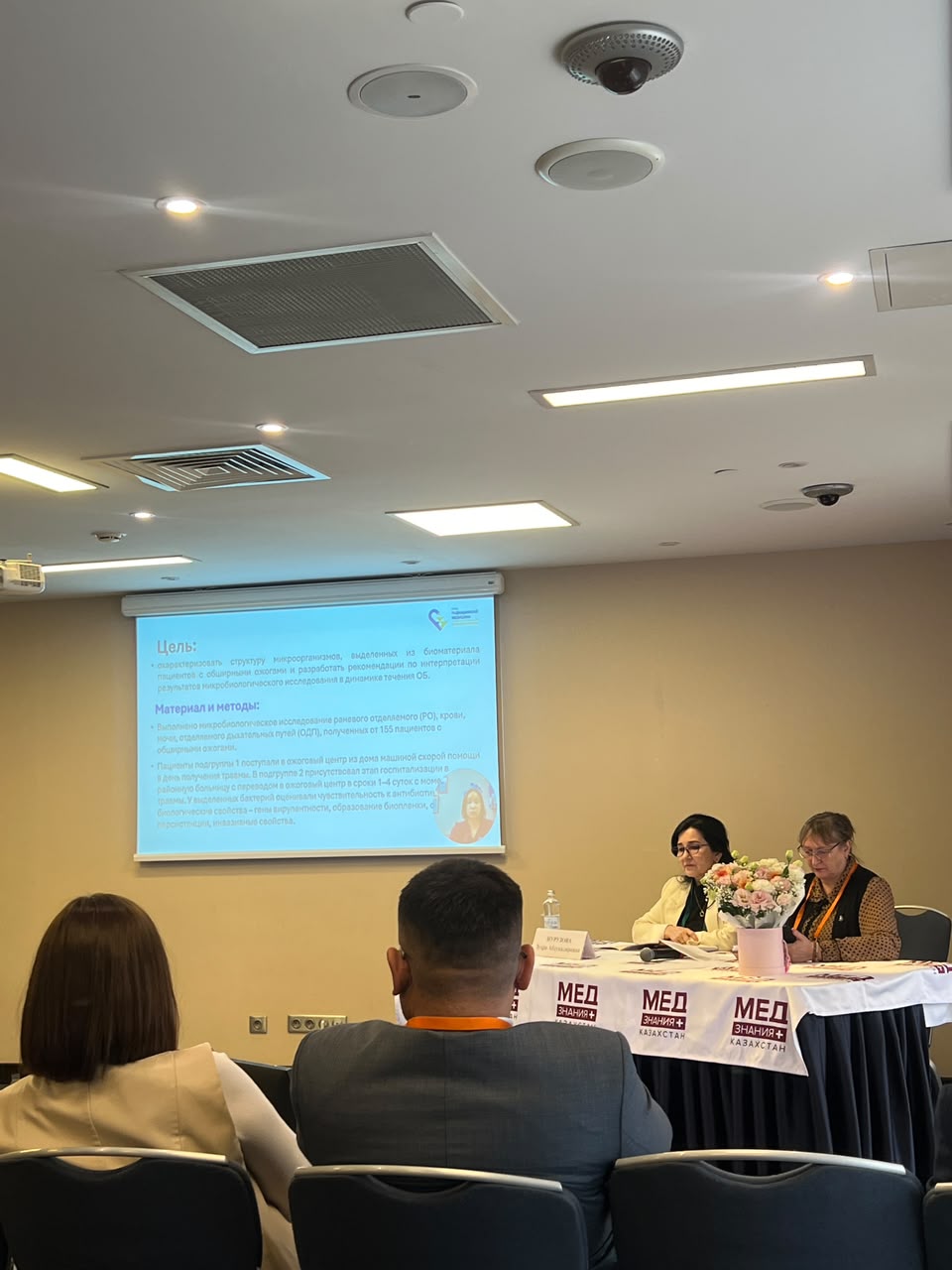
Other presentations addressed bacterial infections in patients with COVID-19, ESKAPE pathogens in people with extensive burns, and the development of the gut resistome during the first years of a child’s life.
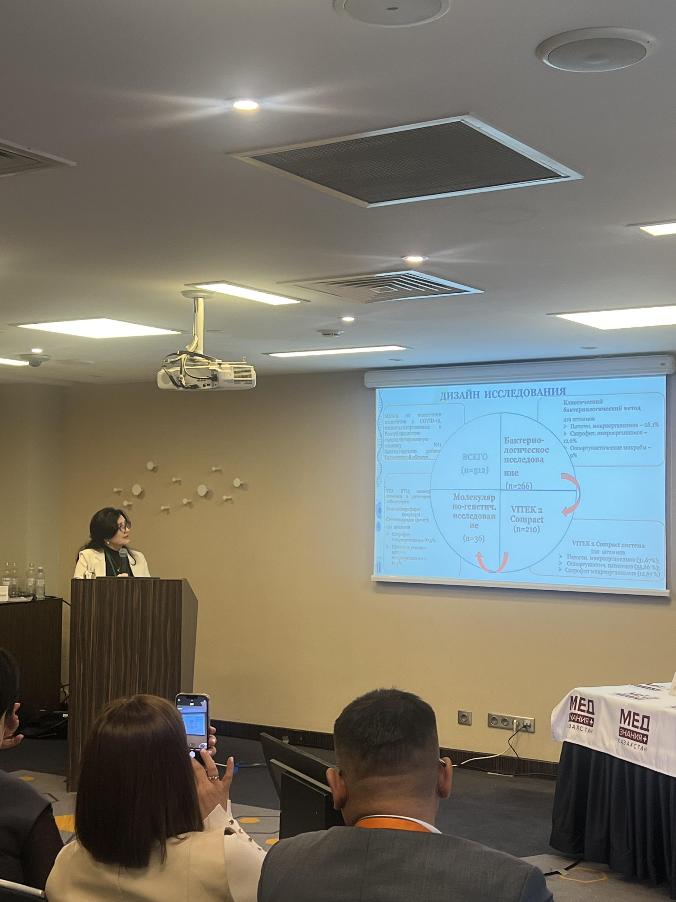
The practical programme continued with Aigul Dusmagambetova, Head of the Sh. I. Sarbassova Department of Microbiology and Virology. She demonstrated how EUCAST criteria are applied to assess the susceptibility of microorganisms to antimicrobial medicines.
Using examples from multidisciplinary hospitals, intensive care units and orthopaedic surgery departments, participants explored how laboratory data help physicians select initial antibacterial therapy. Knowing which pathogens are most common in a particular hospital and which medicines they resist enables doctors to choose treatment more precisely.
On the second day, Professors Sofia Khostelidi and Marat Dusmagambetov led a workshop on the diagnosis and treatment of fungal infections. Together with the participants, they examined modern diagnostic algorithms and ways to make microbiological tests more clinically informative. Particular attention was given to reducing the unnecessary use of antibiotics.
During the conference, the Sh. I. Sarbassova Department of Microbiology and Virology also hosted the first working meeting of the newly appointed chief external experts in clinical microbiology fr om Kazakhstan’s regions, cities of national significance and the capital.
The regional specialists discussed the work of microbiology services, common approaches to laboratory diagnostics and the organisation of antimicrobial resistance surveillance in Kazakhstan.