
Goals
Planning, organizing, and implementing scientific, educational, methodological, clinical, and educational activities; conducting current, midterm, and final assessments; and training students in accordance with academic plans and programs.
Training highly qualified scientific and pedagogical personnel and improving their qualifications at the levels of master’s, doctoral, and residency programs.
Planning and conducting scientific research in fundamental and priority areas for practical healthcare, as well as implementing research results and innovative technologies into practice.
History of the Department
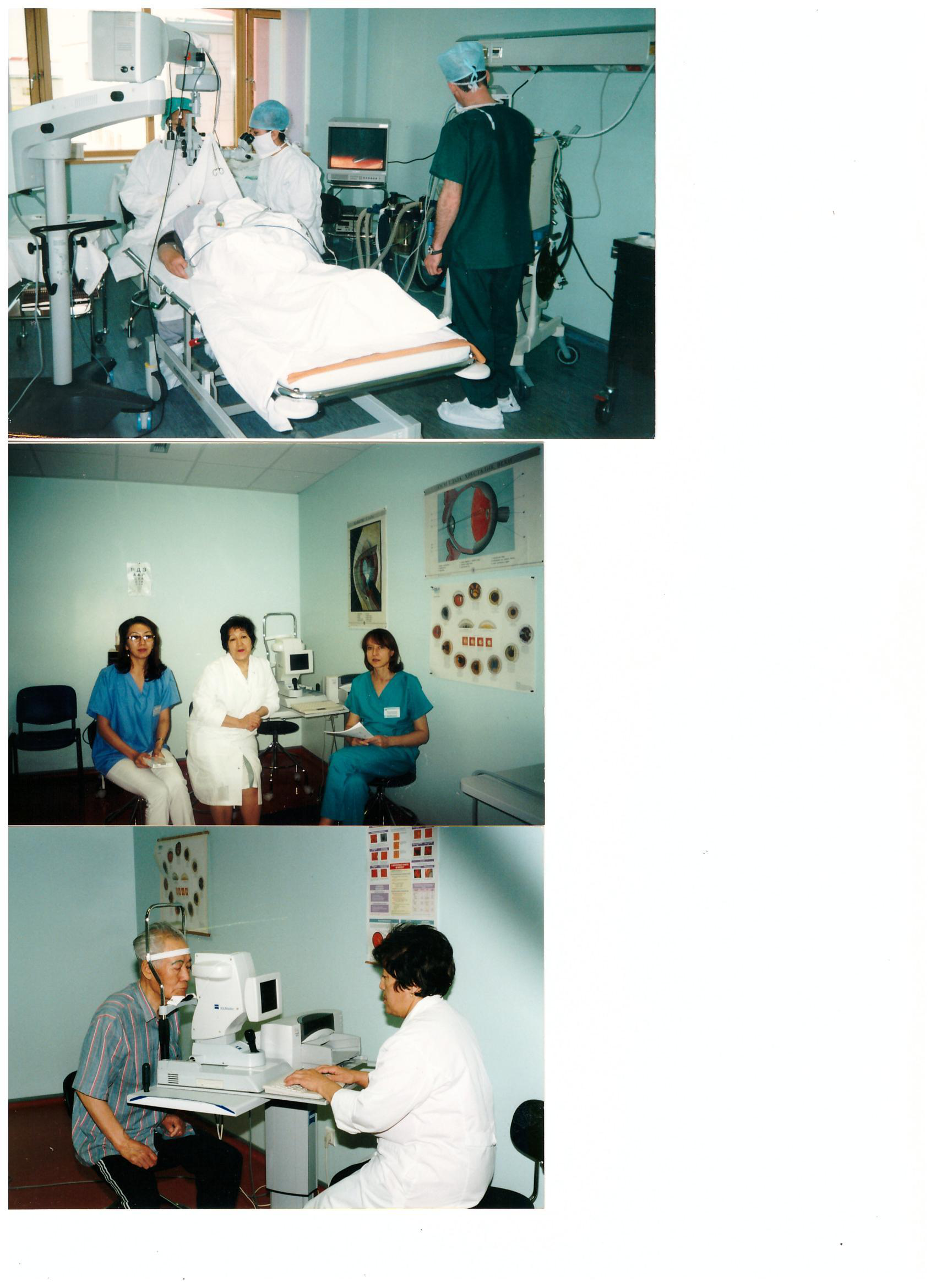
The Department of Eye Diseases of the Tselinograd State Medical Institute was established in September 1965. The department was initially headed by A.A. Kudryashova, who led it until 1968. The department’s clinical base was the ophthalmology ward of the regional hospital with 30 beds.
From 1969 to 1984, the department was headed by Candidate of Medical Sciences Arthur Konstantinovich Golenkov. His research focused mainly on neuro-ophthalmology, including a monograph on the study of venous pulsation in papilledema. The department’s assistants included Candidates of Medical Sciences Rodionov Yu.M., Sokolova Z.Ya., and Akhmedyanova Z.U.
From 1985 to 1987, the department was headed by Candidate of Medical Sciences, Associate Professor Zelma Yakovlevna Sokolova. From 1987 to 2008, the department was led by Candidate of Medical Sciences Zeynet Ugubaevna Akhmedyanova.
From 2009 to 2011, ophthalmology was part of the Department of Surgical Disciplines, and from 2012 to 2018 — the Department of ENT and Eye Diseases. During this period, the ophthalmology course was led by Z.U. Akhmedyanova.
In 2019, the ophthalmology course was separated from the Department of ENT Diseases and became an independent department. Since that time, the department has been headed by Professor, Candidate of Medical Sciences Z.U. Akhmedyanova.
The department provided training in “Ophthalmology” for the following specialties:
051101 – General Medicine
051102 – Pediatrics
6B10107 – General Medicine
6B10108 – Dentistry
Internship programs for surgeons and general practitioners.
Currently, undergraduate training is conducted in the following specialties:
· General Medicine
· Dentistry
· Postgraduate education (residency, master’s, doctoral programs) includes:
· Ophthalmology, including pediatric ophthalmology
· Family Medicine
· Maxillofacial Surgery
Achievements
Until 2007, the department offered only clinical internship programs. Since 2008, a residency program has been established, followed by a doctoral program in 2010 and a master’s program in 2011.
The Department of Eye Diseases has trained over 45 physicians in internships, more than 10 in clinical ordinatura, over 200 residents, 5 master’s students, and 4 doctoral graduates.
The department’s staff have published more than 1,000 articles and abstracts in international and national scientific journals, issued over 230 methodological recommendations for physicians, and recorded more than 400 acts of implementation of medical research results into healthcare practice. Egorov’s textbook “Ophthalmology” has been translated into Kazakh. The staff regularly participate in national and international conferences.
Educational and methodological manuals published by the department include:
· “Emergency Conditions in Ophthalmology”
· “Types of Ametropia and Their Correction”
· “Selected Sections of Ophthalmopathology”
· “Glaucoma”
· “Basic Research Methods in Ophthalmology”
These materials have been published in Kazakh, Russian, and English.
Each year, the department updates syllabi, working programs, and other academic documentation in accordance with state educational standards and model curricula.
The Department of Ophthalmology closely cooperates with leading research institutions in Kazakhstan and abroad, actively participating in academic mobility programs. Students, residents, and master’s students of the department have completed training at leading universities and research centers in Russia, the Baltic States, and Kazakhstan.
Students trained at the department undergo practical training in the leading clinics of the capital.
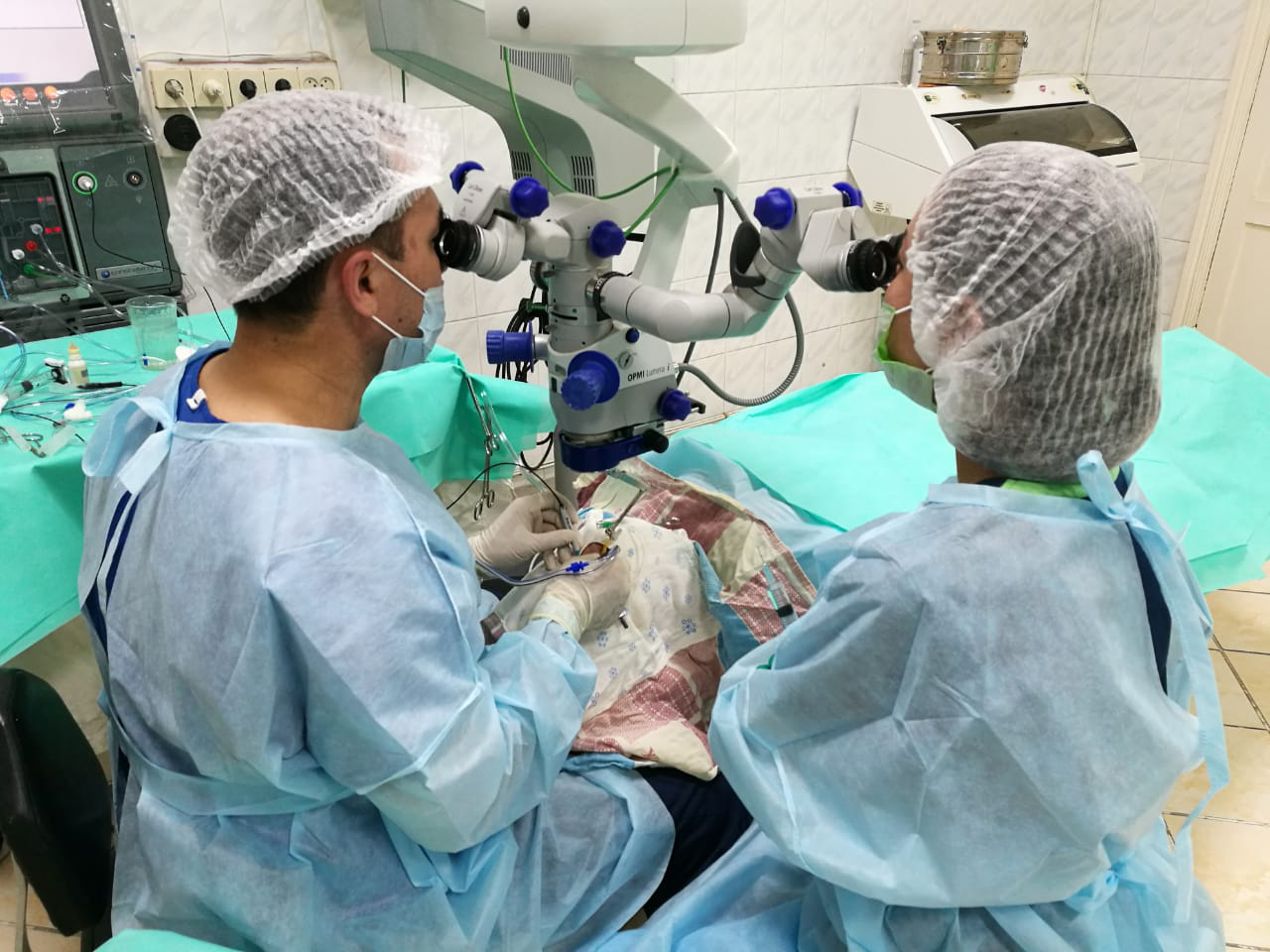
The department’s clinical bases include: Eye Microsurgery Department of Multidisciplinary City Hospital No. 3, City Hospital No. 2, City Children’s Hospital No. 2, Branch of the Kazakh Research Institute of Eye Diseases, Vision Restoration Center, “Astana Vision” Clinic, and others.
Contact information
Nur-Sultan,Schenis avenue,.52