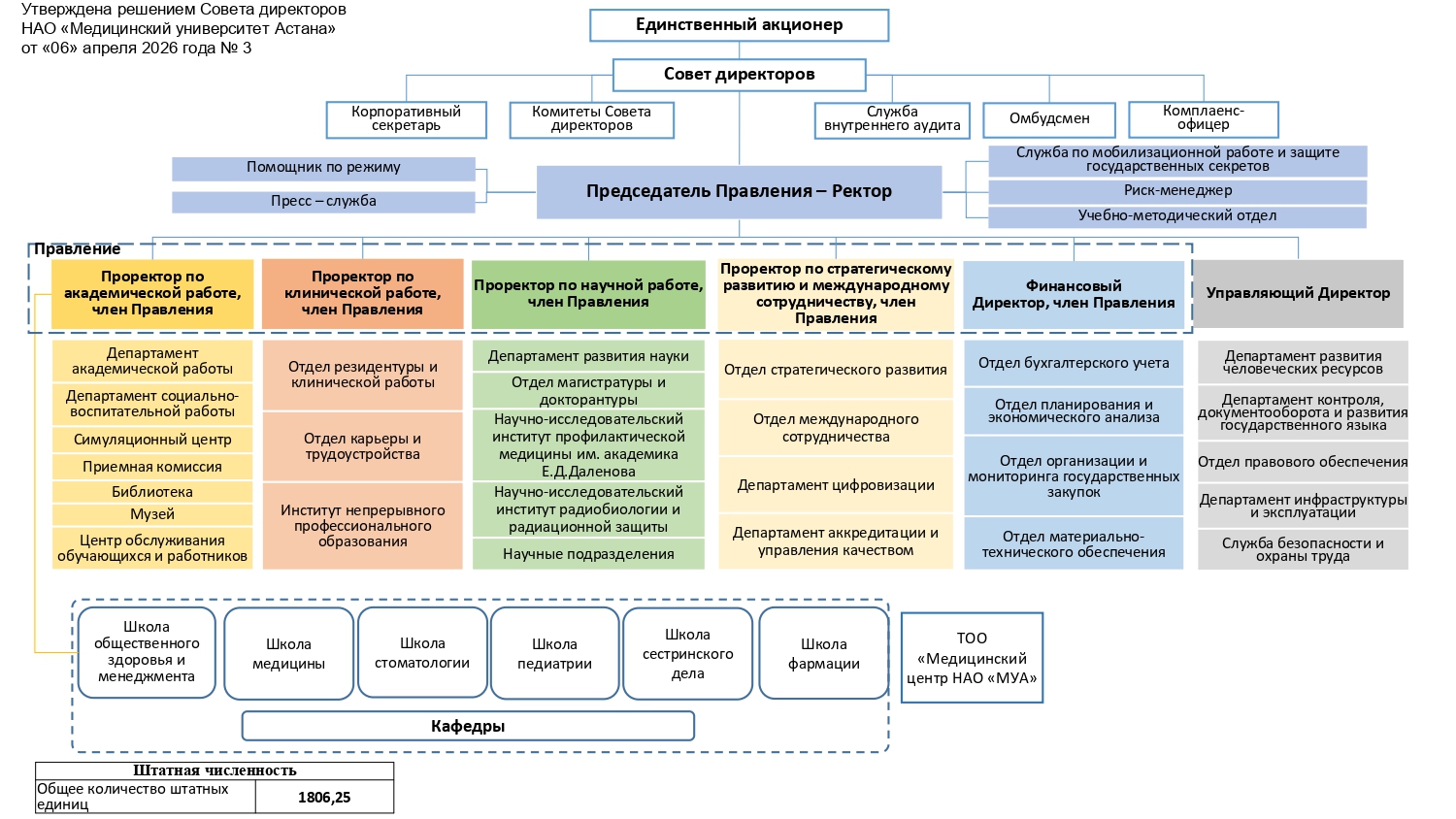
Medical University Astana continues to strengthen international scientific cooperation in radiobiology, radiation epidemiology and the assessment of radiation-related health risks.
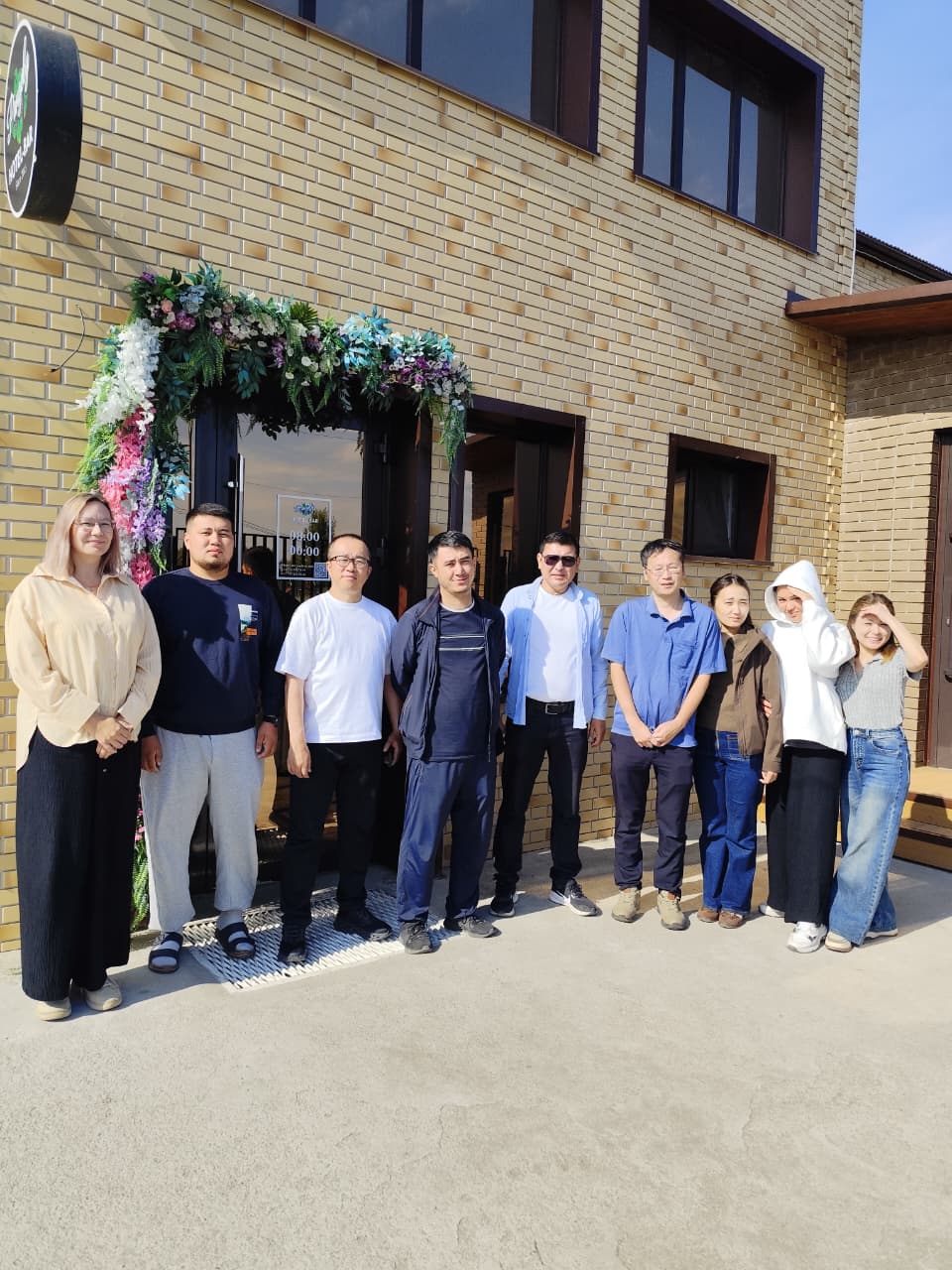
From 18 to 22 August 2026, as part of the international research project “Reassessment of Lung Cancer Risk Associated with Radon Exposure among Populations Living in High-Radon Areas of Kazakhstan,” Professors Yasutaka Omori and Masahiro Hosoda from Hirosaki University, Japan, paid a scientific visit to the Research Institute of Radiobiology and Radiation Protection of Medical University Astana.
The visit marked another stage of joint research by Japanese and Kazakh specialists aimed at studying exposure to radon, a naturally occurring radioactive gas, and its association with the risk of developing lung cancer.
Research in the Regions
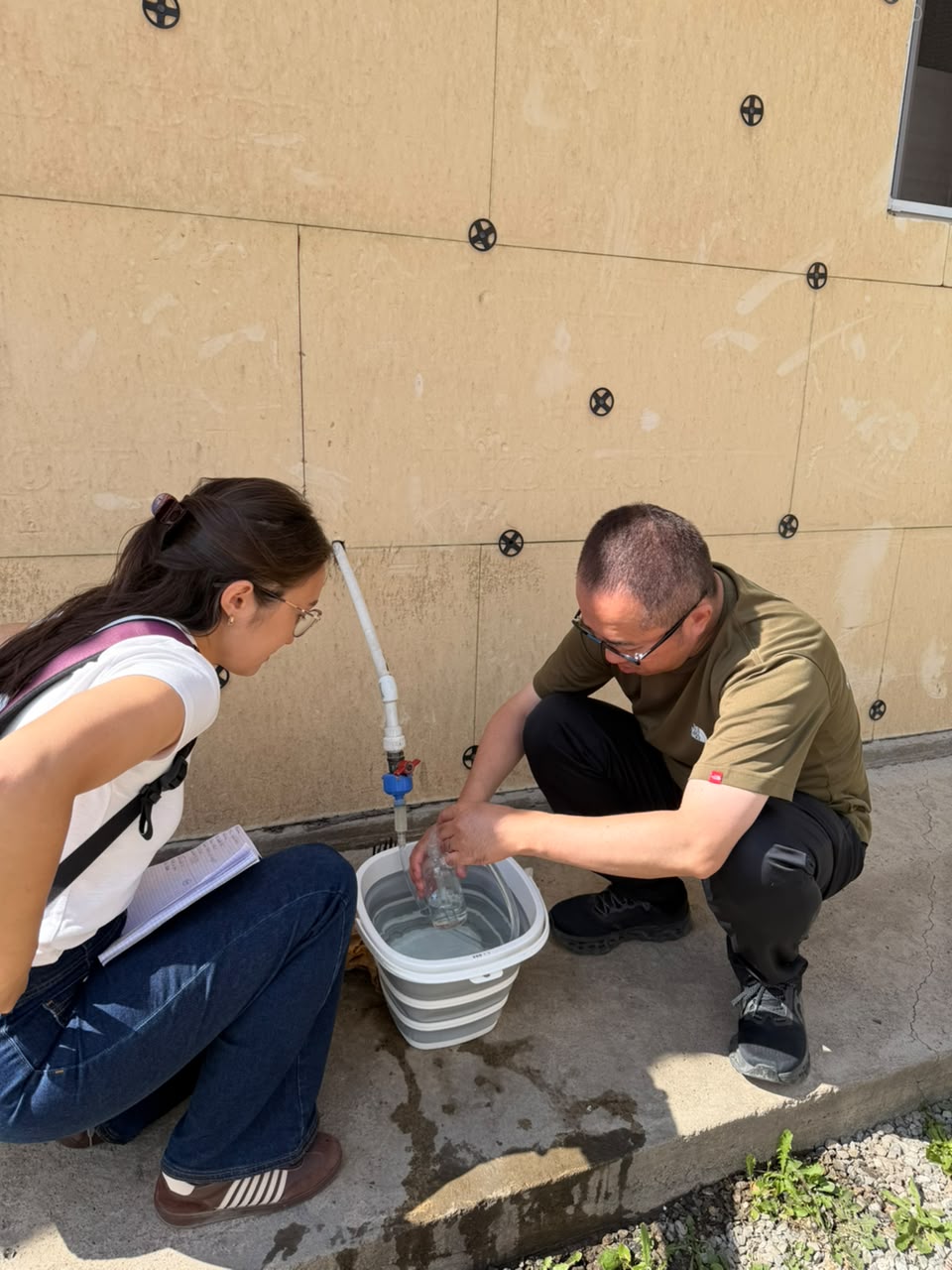
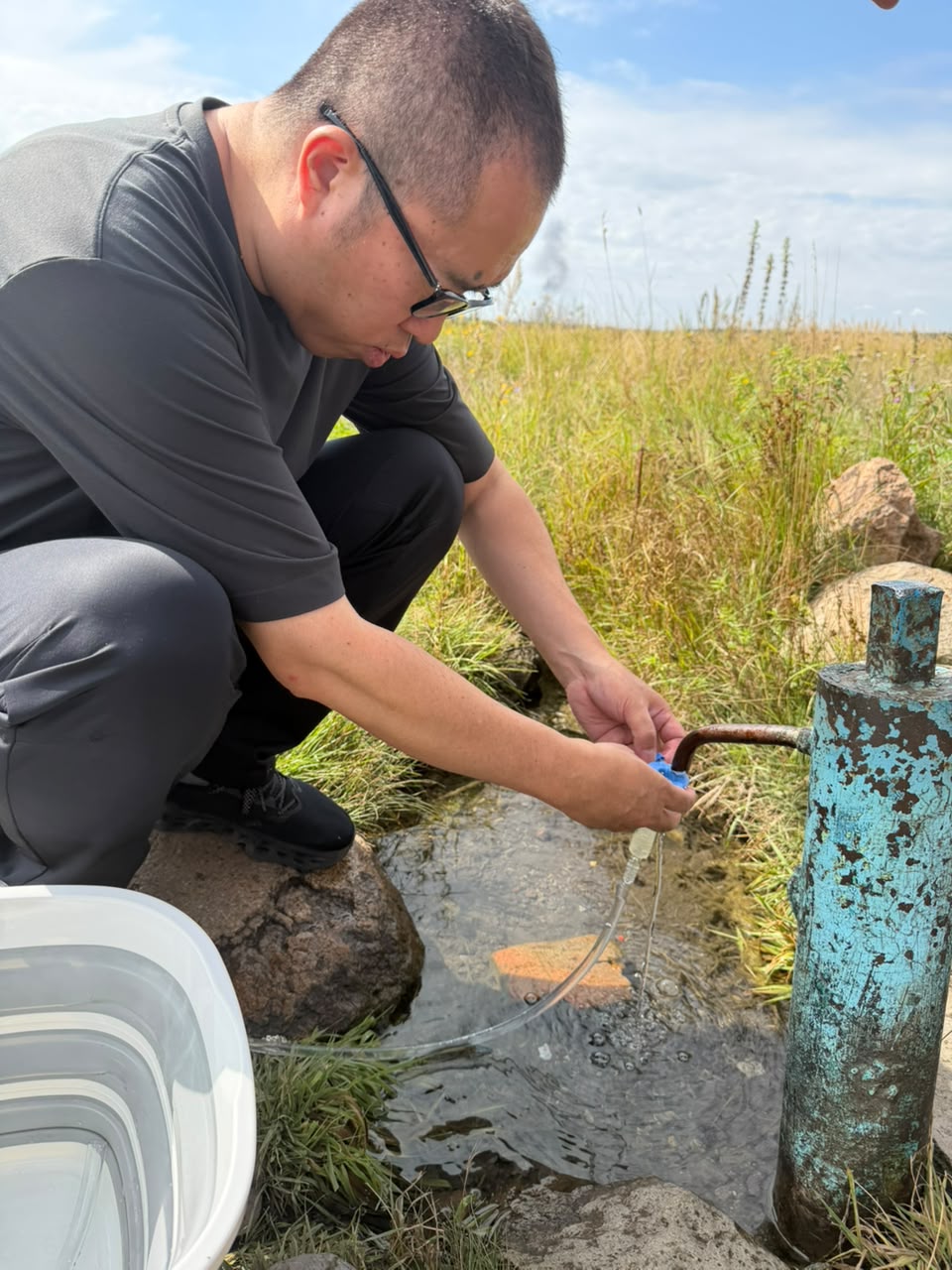
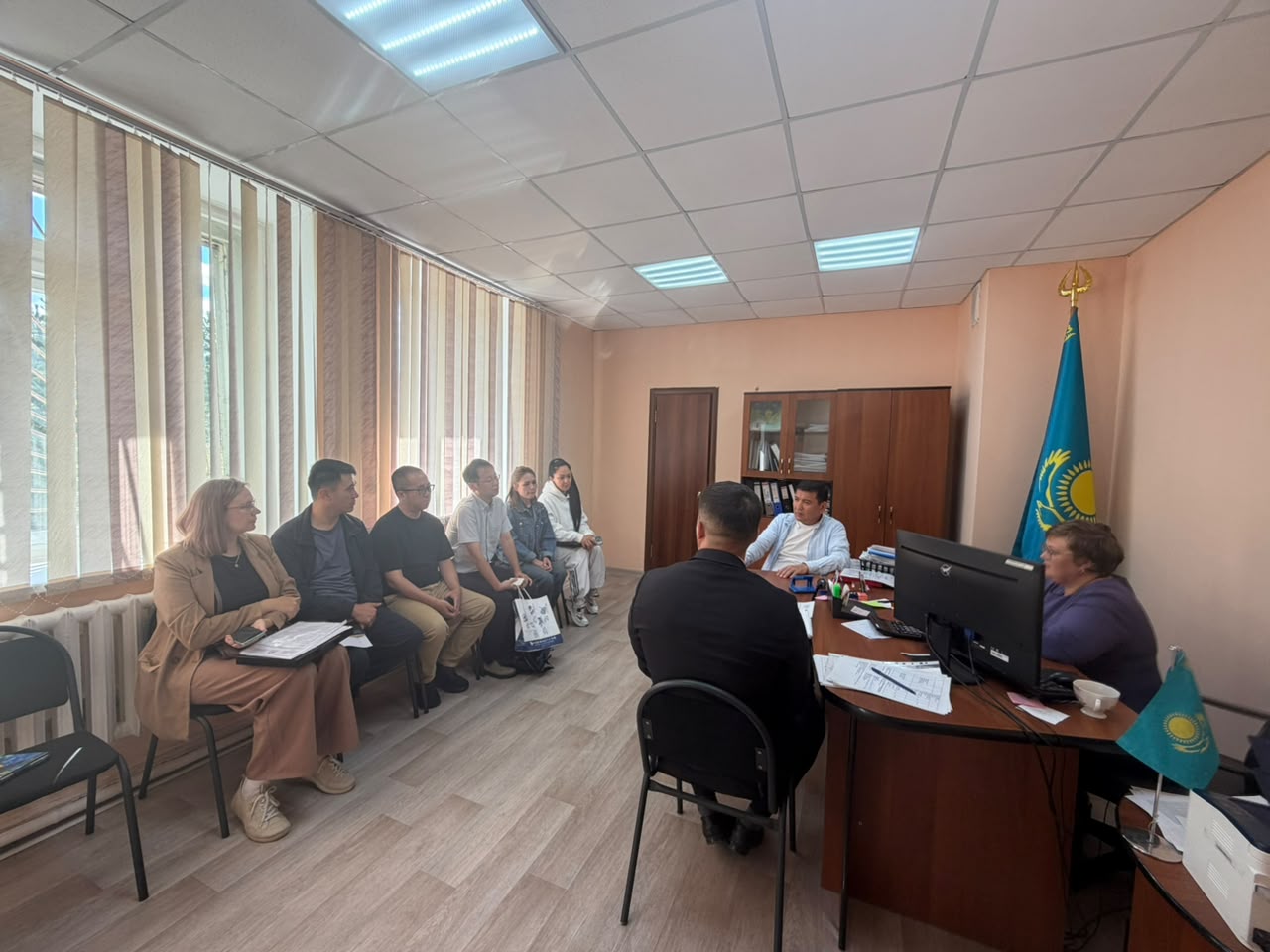
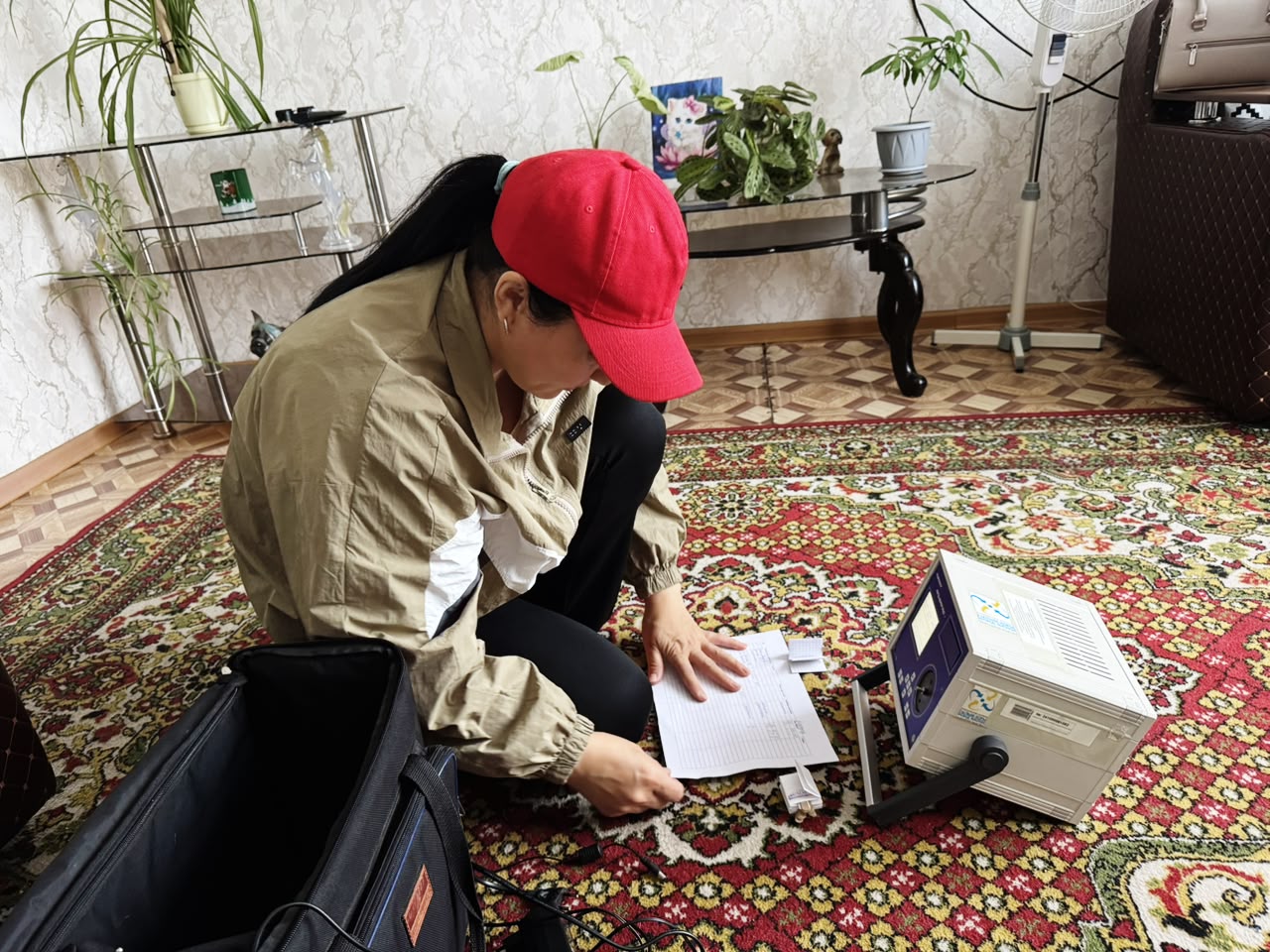
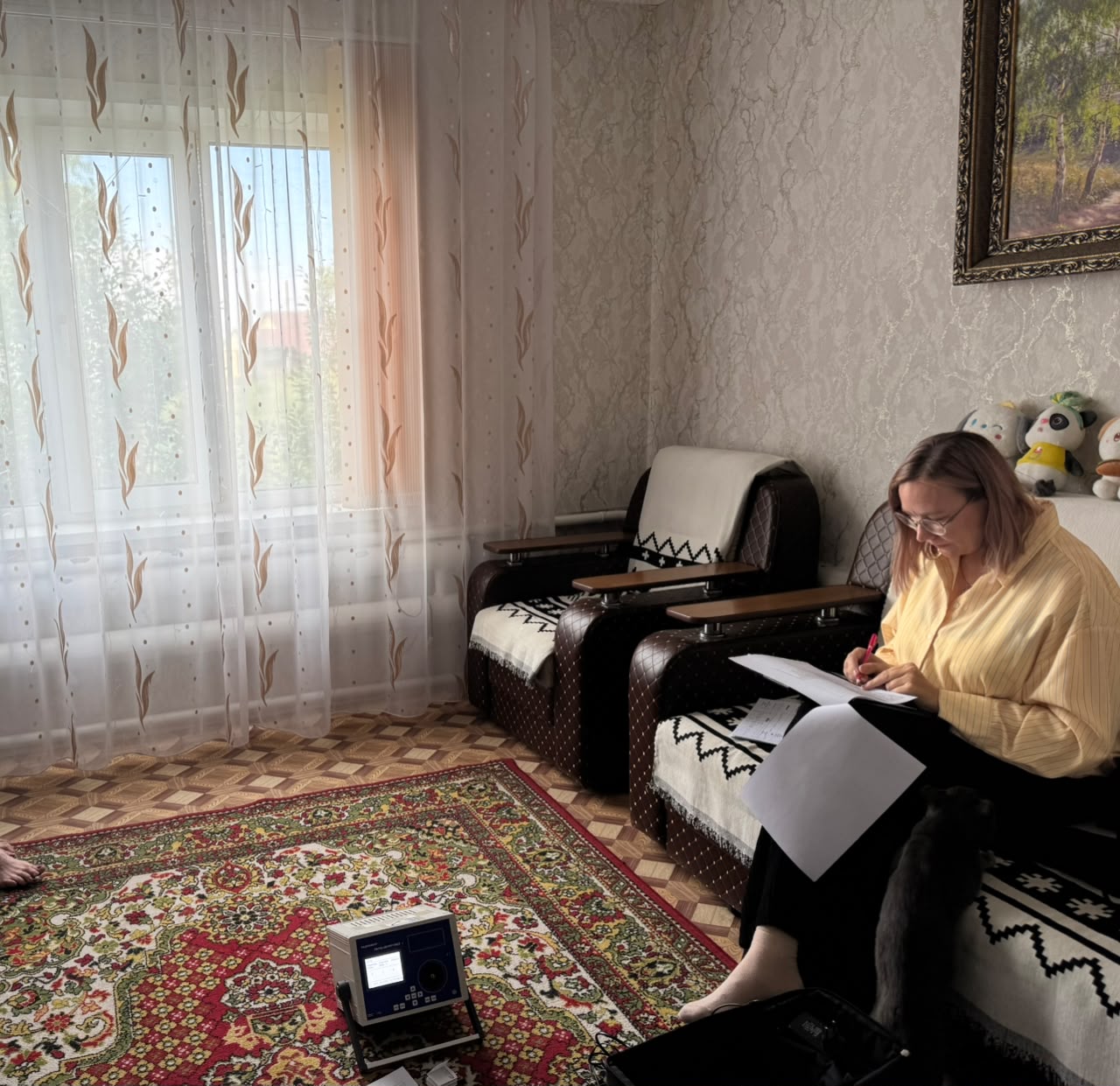
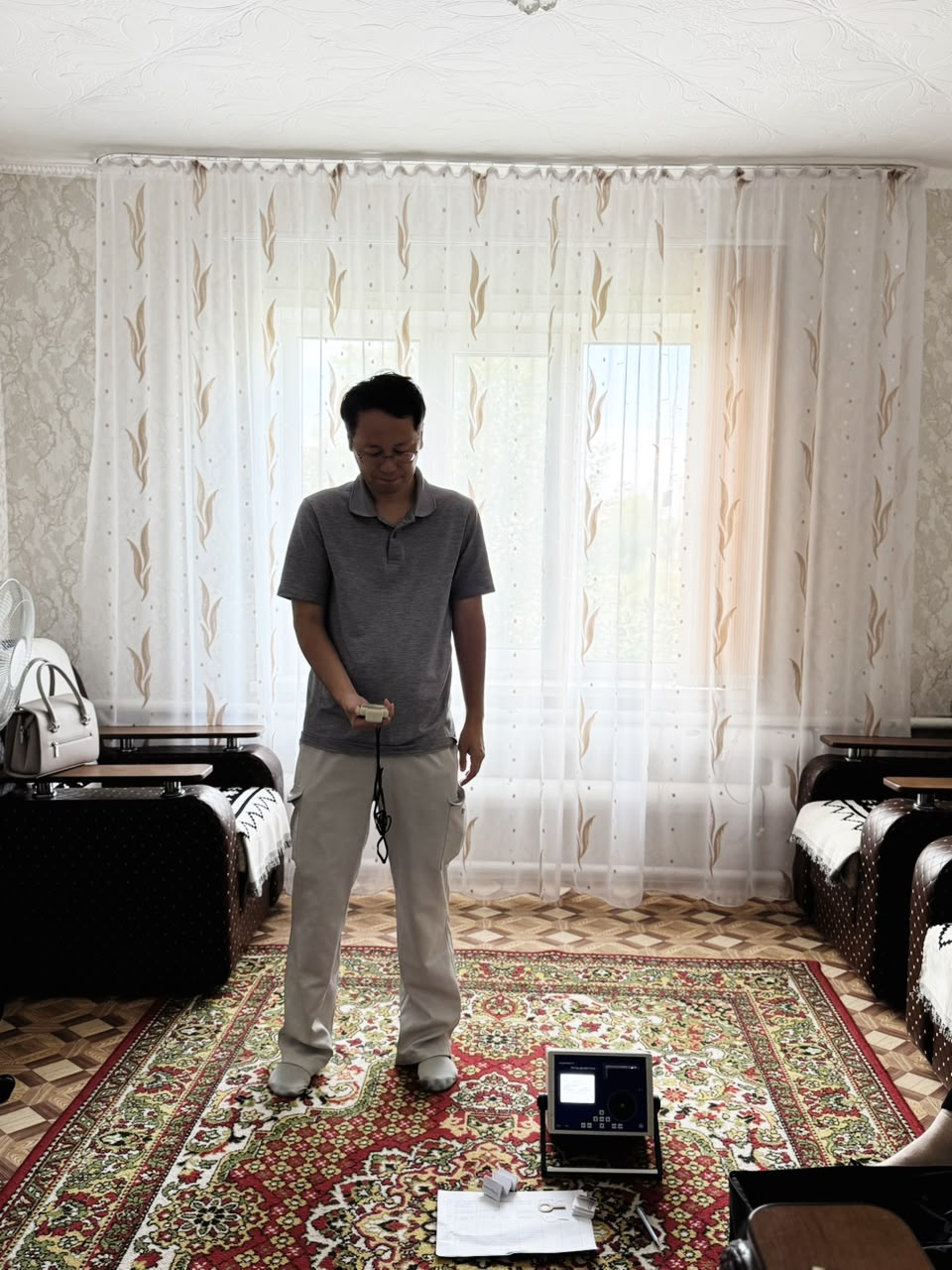
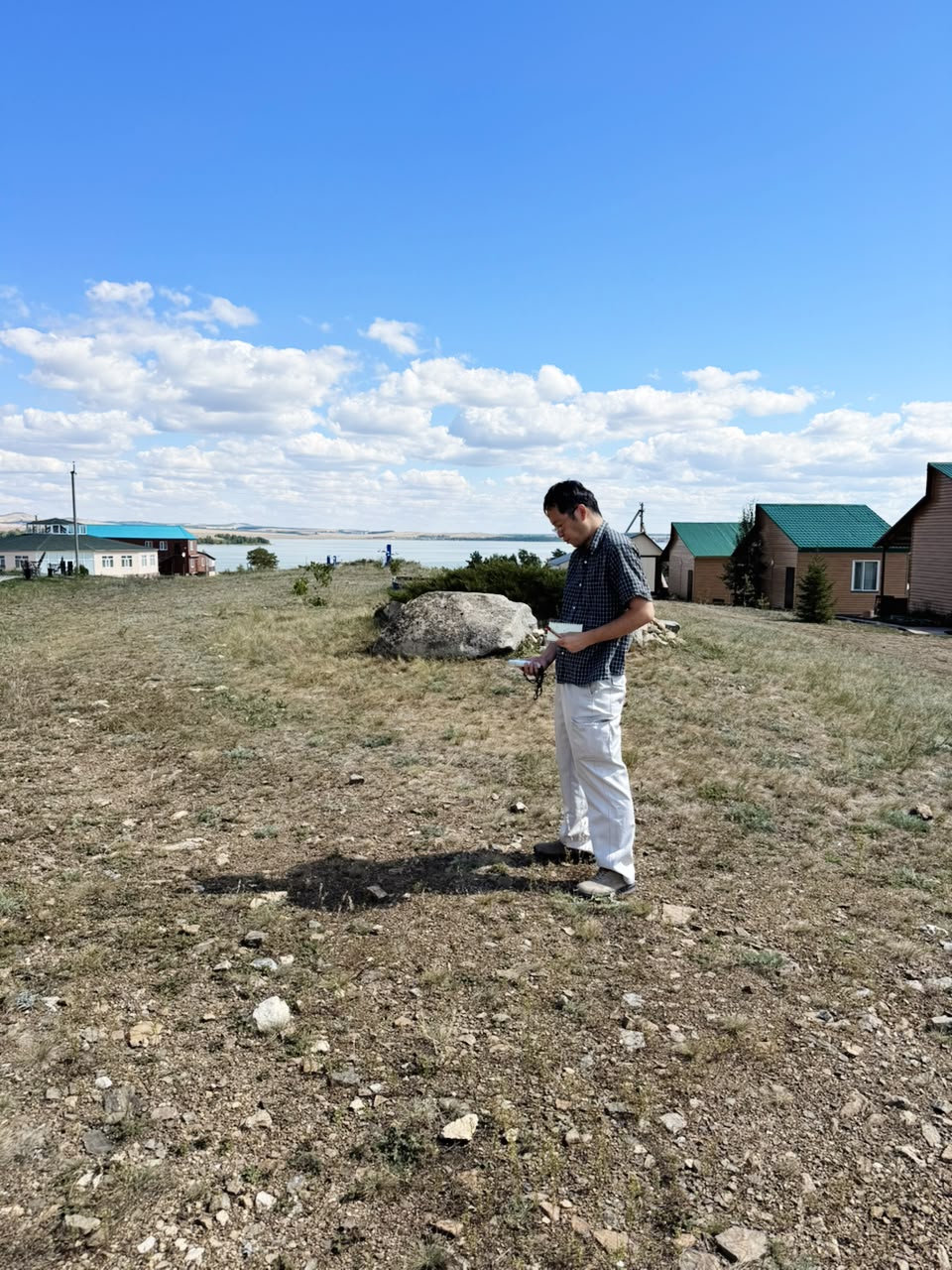
As part of the visit, an international research team conducted joint radioecological and epidemiological studies in settlements located within the North Kazakhstan uranium-bearing province.
One of the key areas of the research was the assessment of the relationship between radon exposure and the risk of lung cancer. Researchers conducted surveys among patients diagnosed with lung cancer as well as participants in the control group. A standardized questionnaire was used to ensure the comparability and reliability of the collected data.
Particular attention was also given to assessing radon exposure in residential buildings. Special radon detectors were installed in the homes of study participants to enable long-term monitoring of radon concentrations. The data obtained will provide a more objective assessment of the nature and level of radon exposure among the population.
From Field Research to Joint Scientific Results
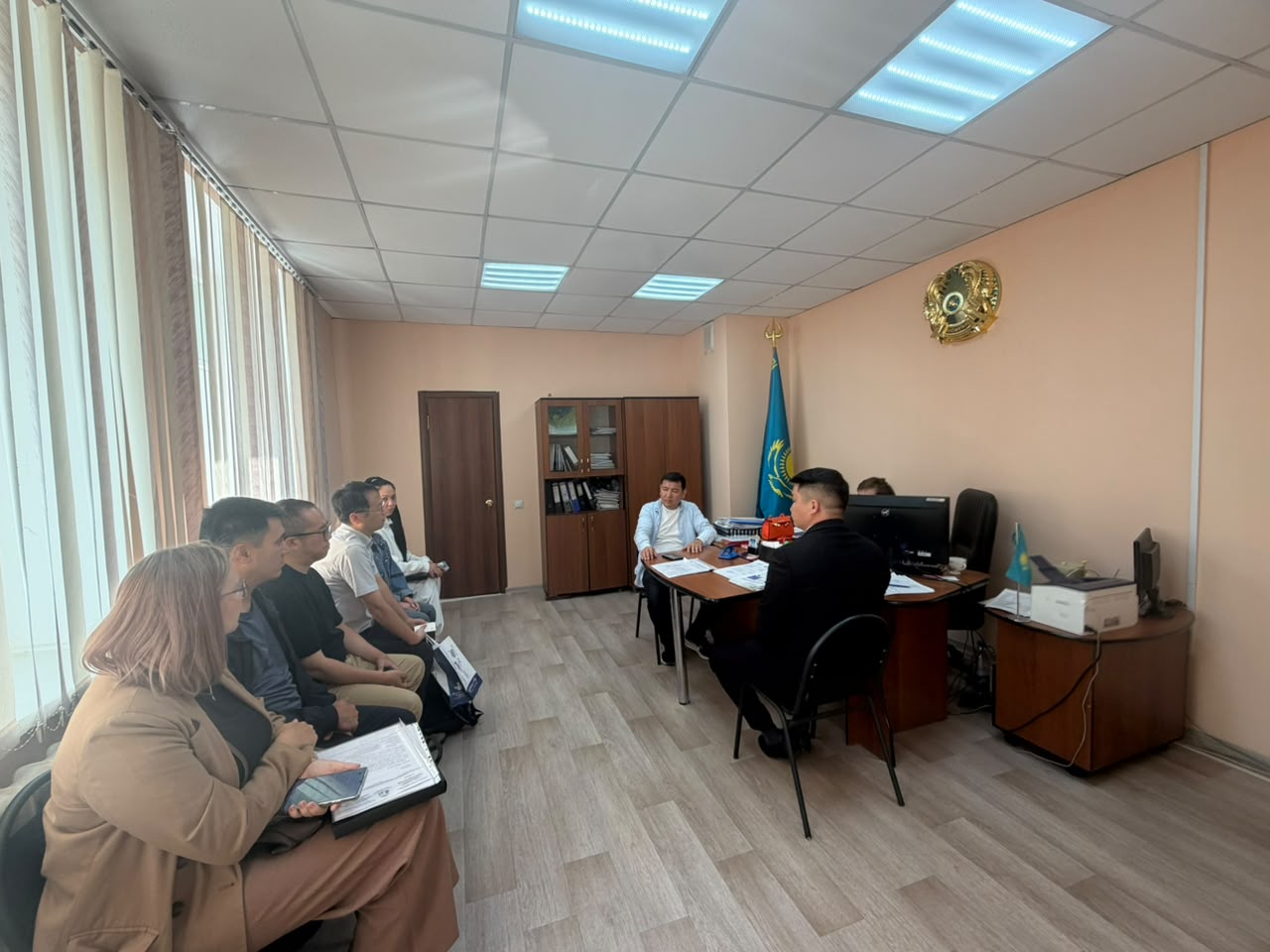
Alongside the fieldwork, Japanese researchers and specialists from the Research Institute of Radiobiology and Radiation Protection of Medical University Astana discussed findings from previous stages of the project, modern methodological approaches to assessing radon exposure, further monitoring arrangements and methods for processing the collected data.
The integration of expertise from the two scientific communities is a key strength of the partnership. The international project provides an opportunity to compare approaches to radiation epidemiological research, improve risk assessment methodologies and strengthen the evidence base for further studies of the impact of radon on human health.
Following the scientific visit, the partners identified further areas of joint research. In the coming period, the teams will focus on analysing the collected materials, systematizing research findings and preparing joint scientific papers for publication in international peer-reviewed journals.
International Partnership for Public Health
The cooperation between Hirosaki University and the Research Institute of Radiobiology and Radiation Protection of Medical University Astana is creating a sustainable platform for international scientific collaboration in radiation safety and public health.
The joint research goes beyond academic exchange. Its findings have practical importance for improving approaches to assessing environmental radiation factors and the associated health risks for the population of Kazakhstan.
The scientific visit of Professors Yasutaka Omori and Masahiro Hosoda represents an important milestone in the implementation of the international project and provides further momentum to the development of long-term scientific cooperation between Kazakhstan and Japan.