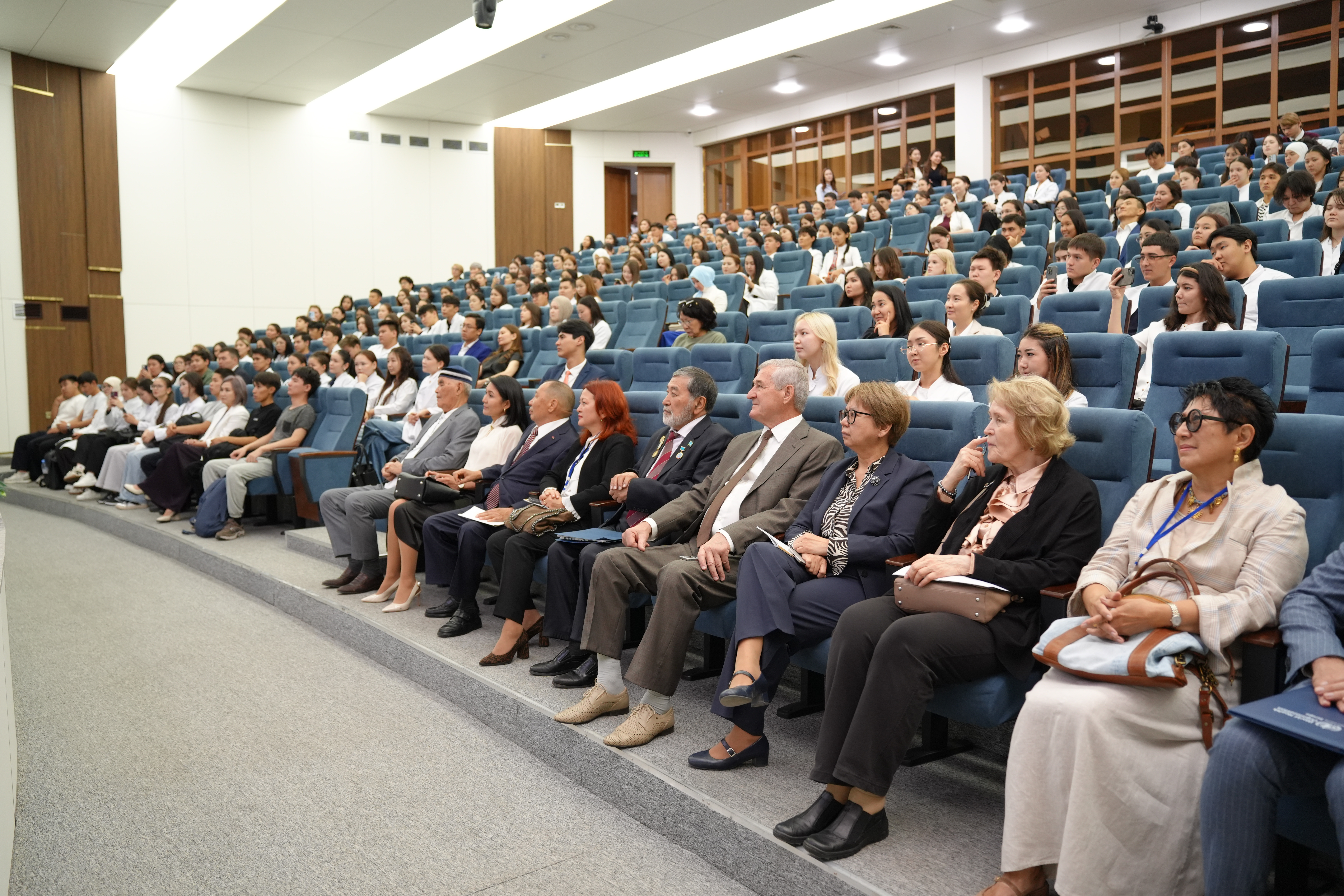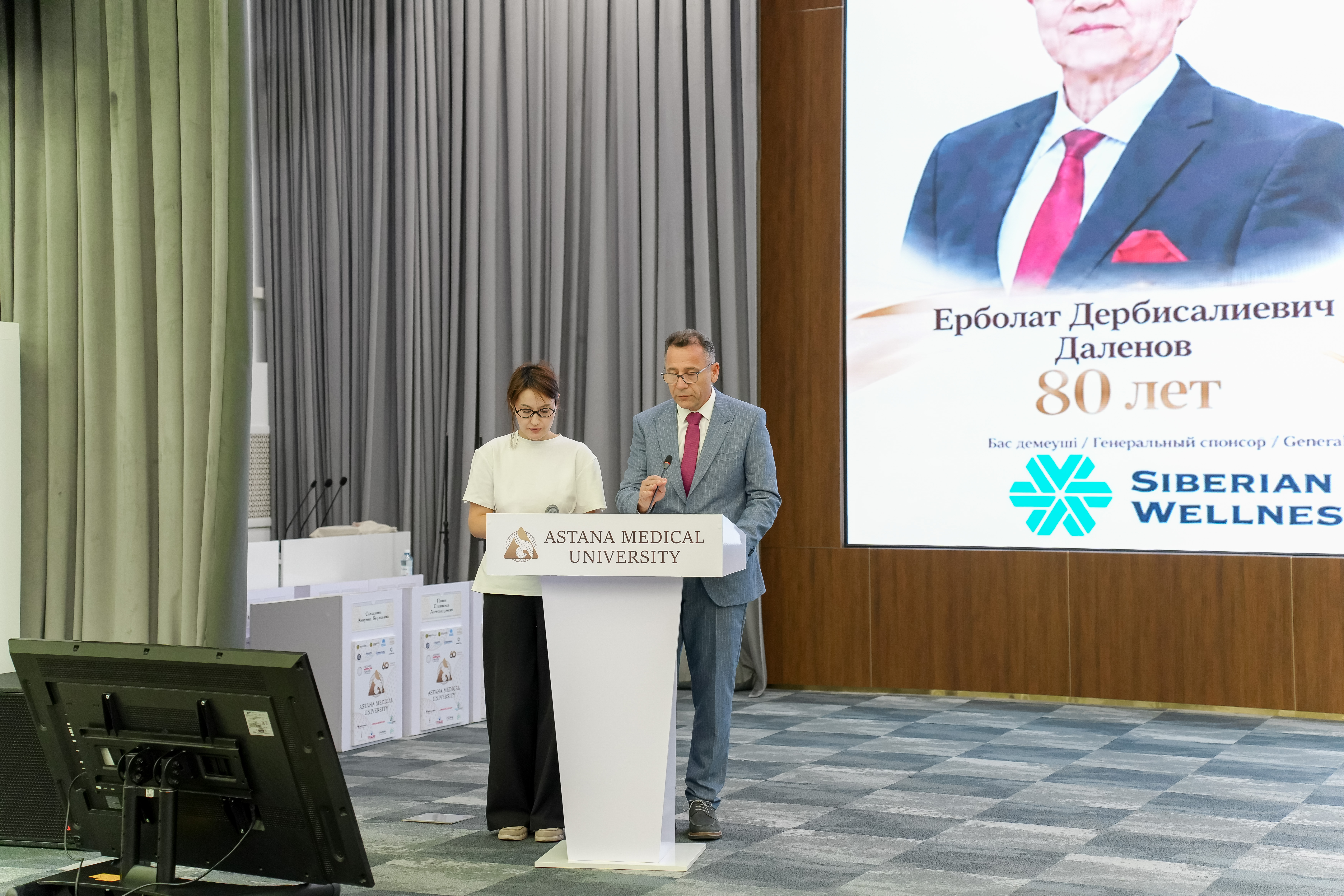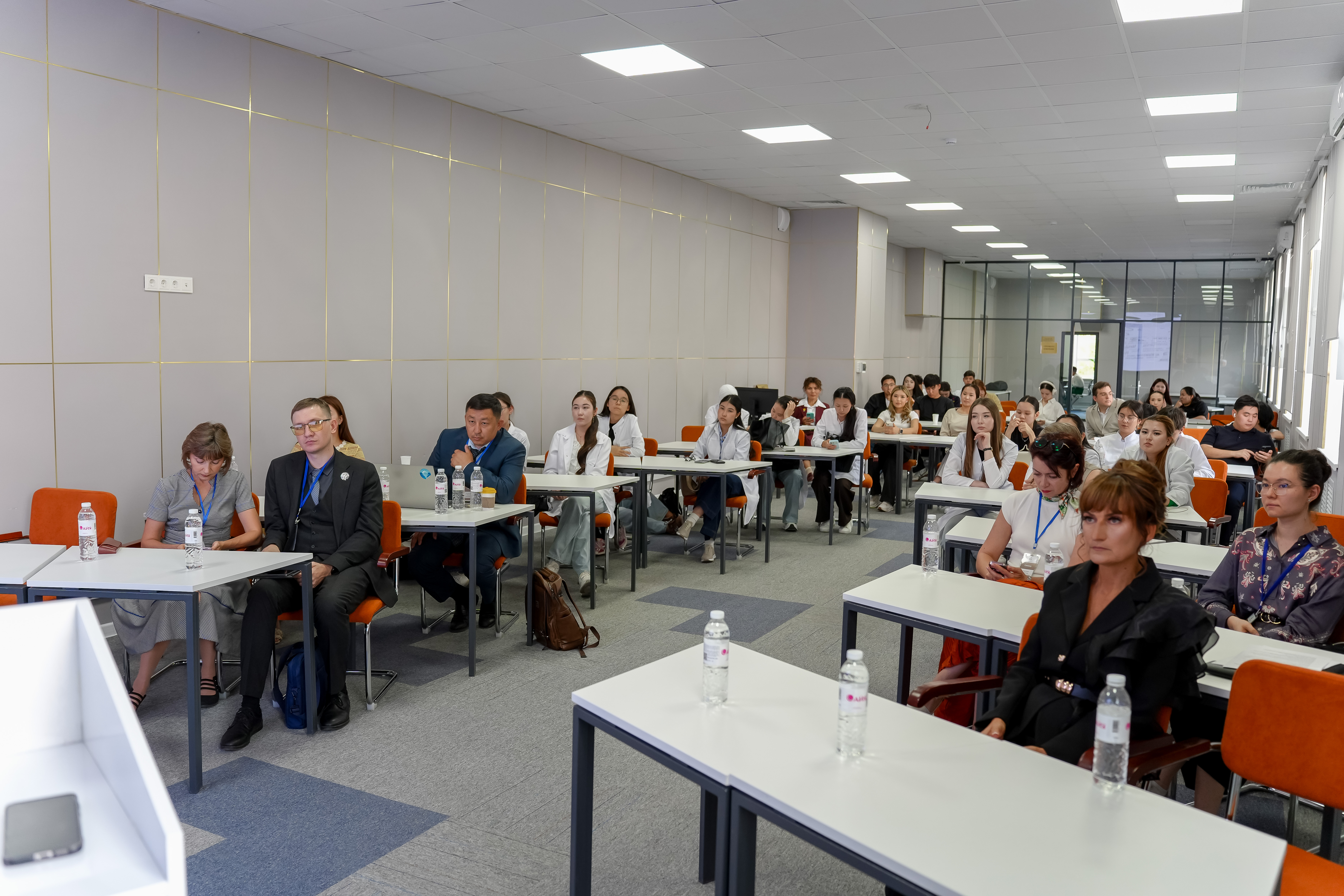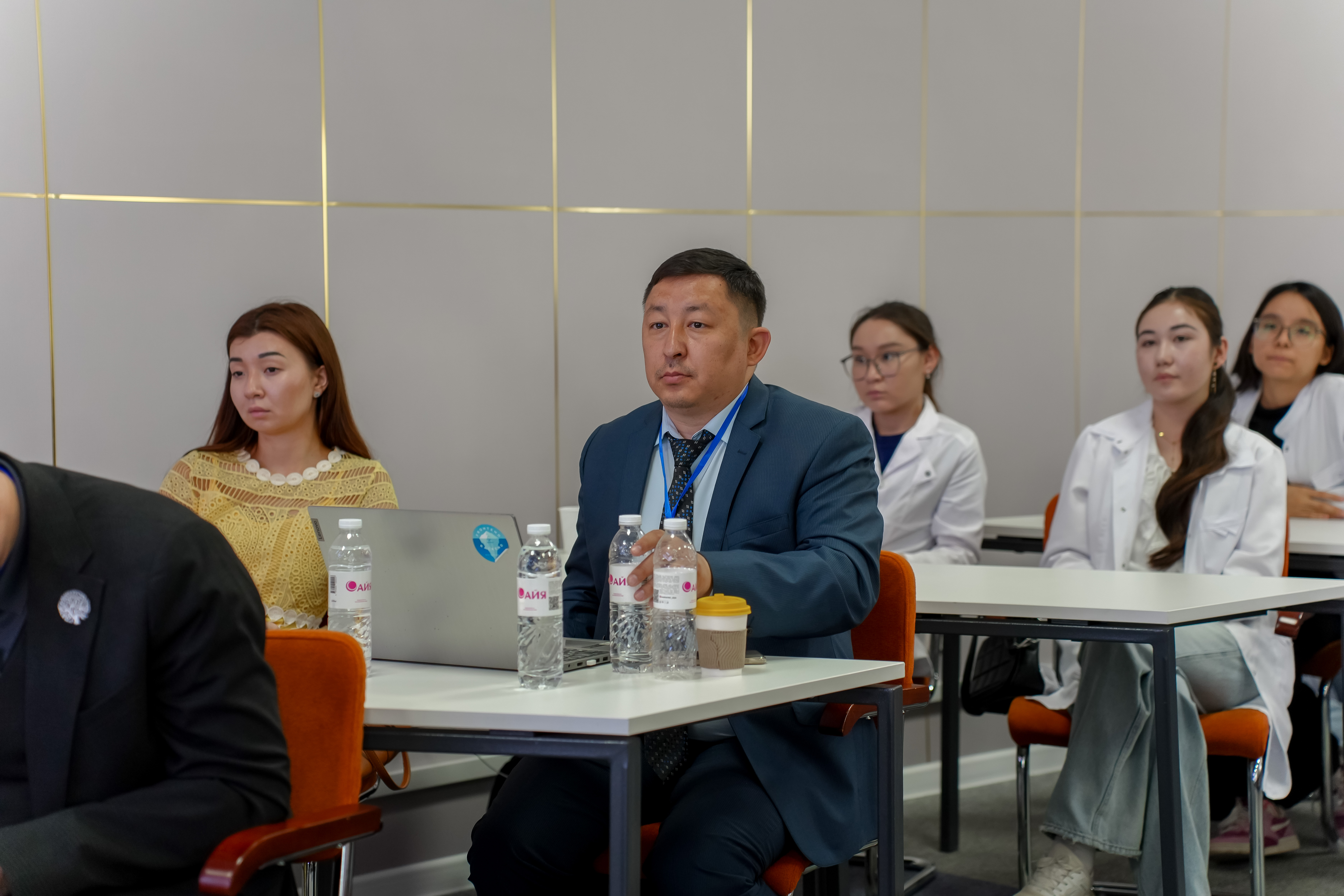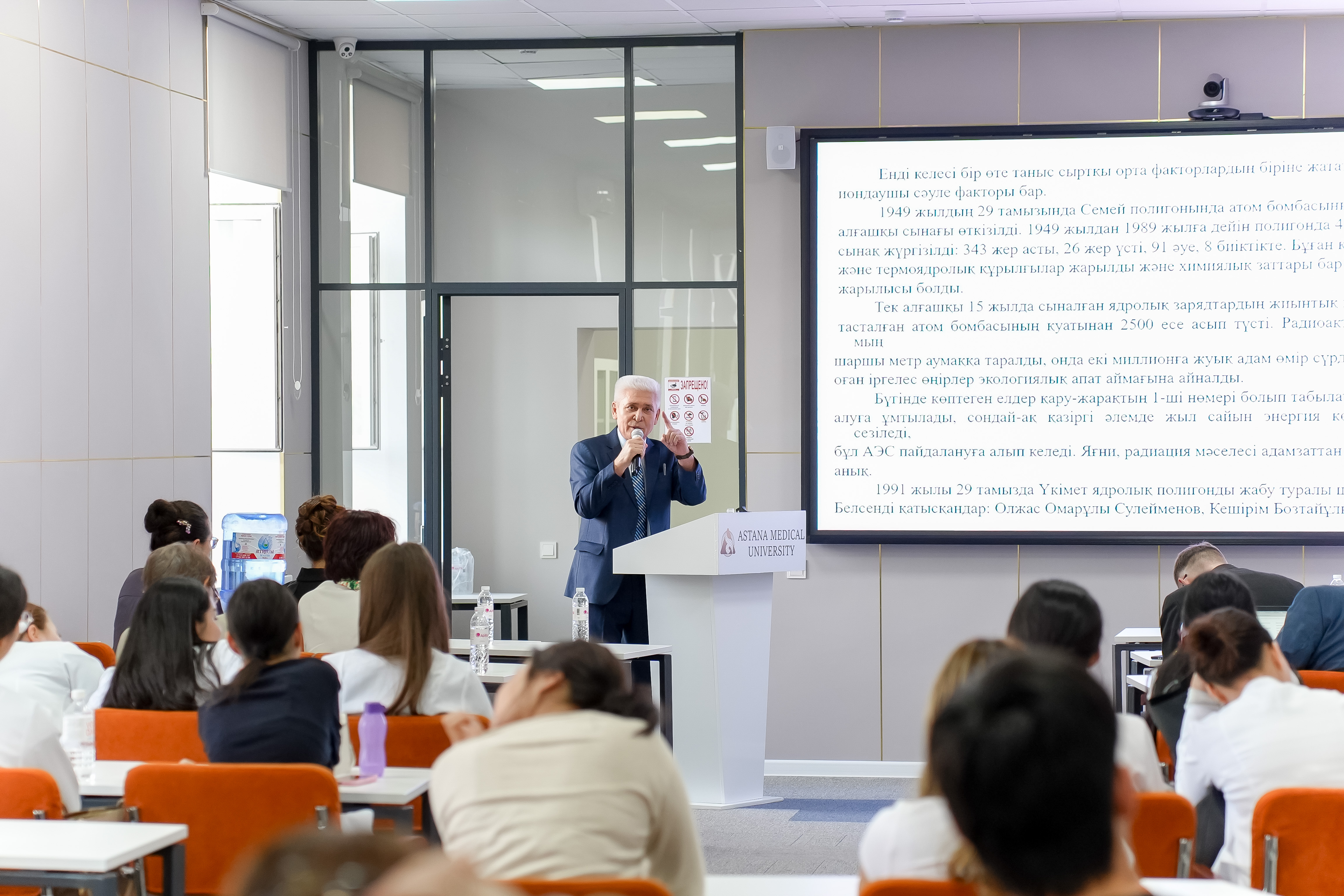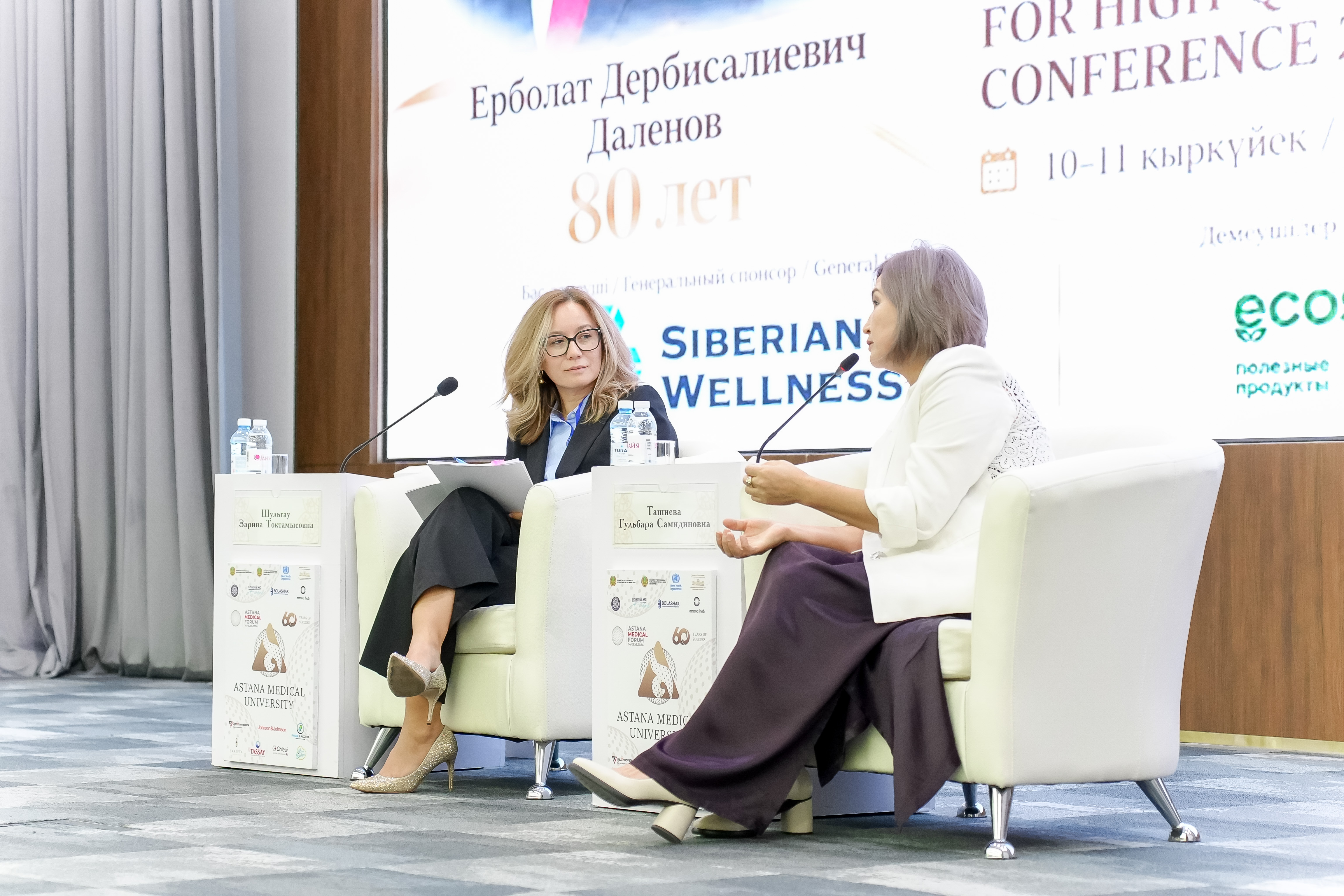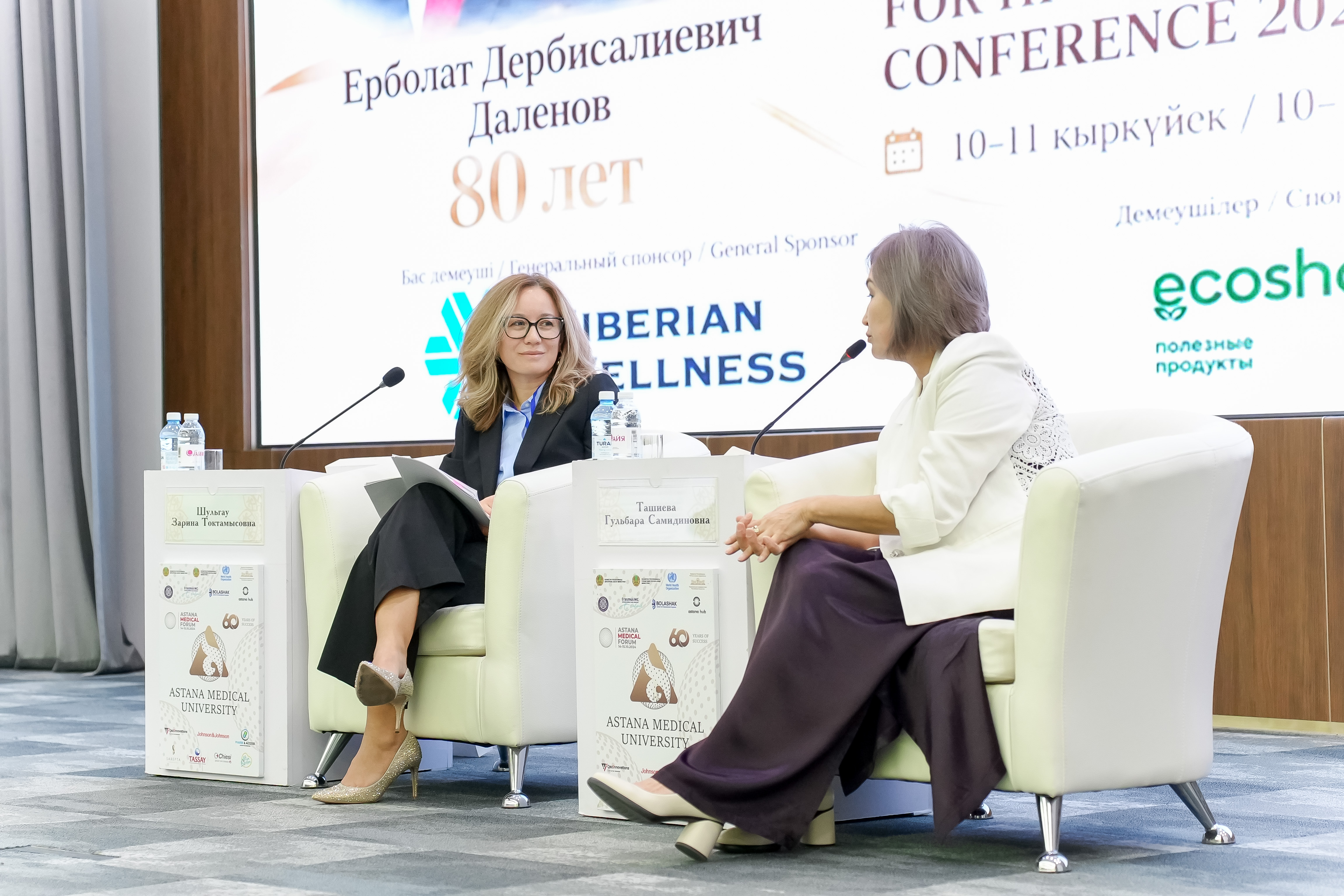
Astana hosted the International Scientific and Practical Conference “Preventive Medicine - A Vector for Quality and Healthy Longevity: Conference 2026”, dedicated to the 80th anniversary and Memorial Day of Academician Yerbolat Derbisalievich Dalenov, the first graduate of Medical University Astana.
For two days, the University brought together experts to discuss issues that are particularly important for the medical community today: how to prevent diseases before the first symptoms appear, how to preserve health and activity in older age, and how scientific and digital technologies can transform approaches to prevention.
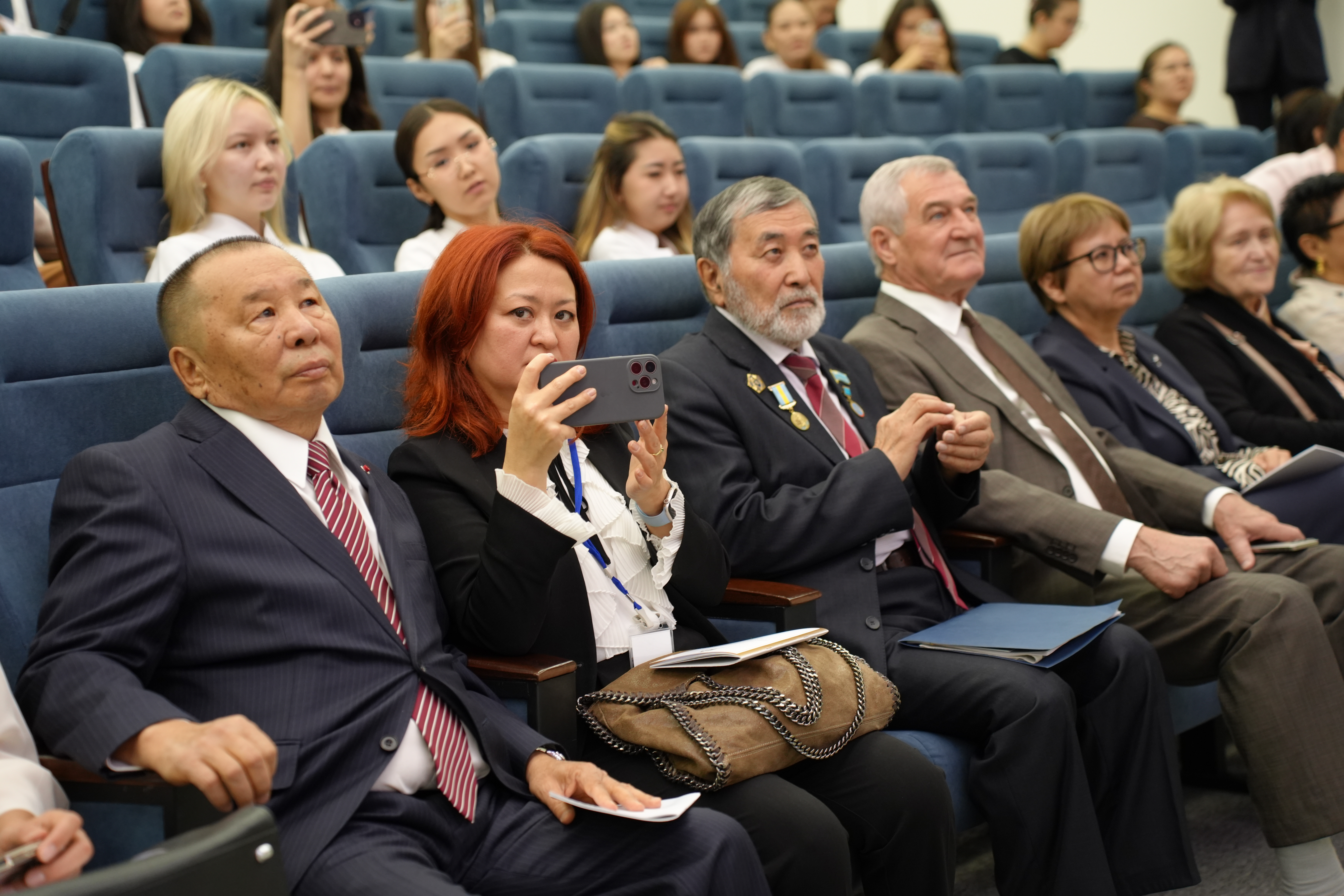
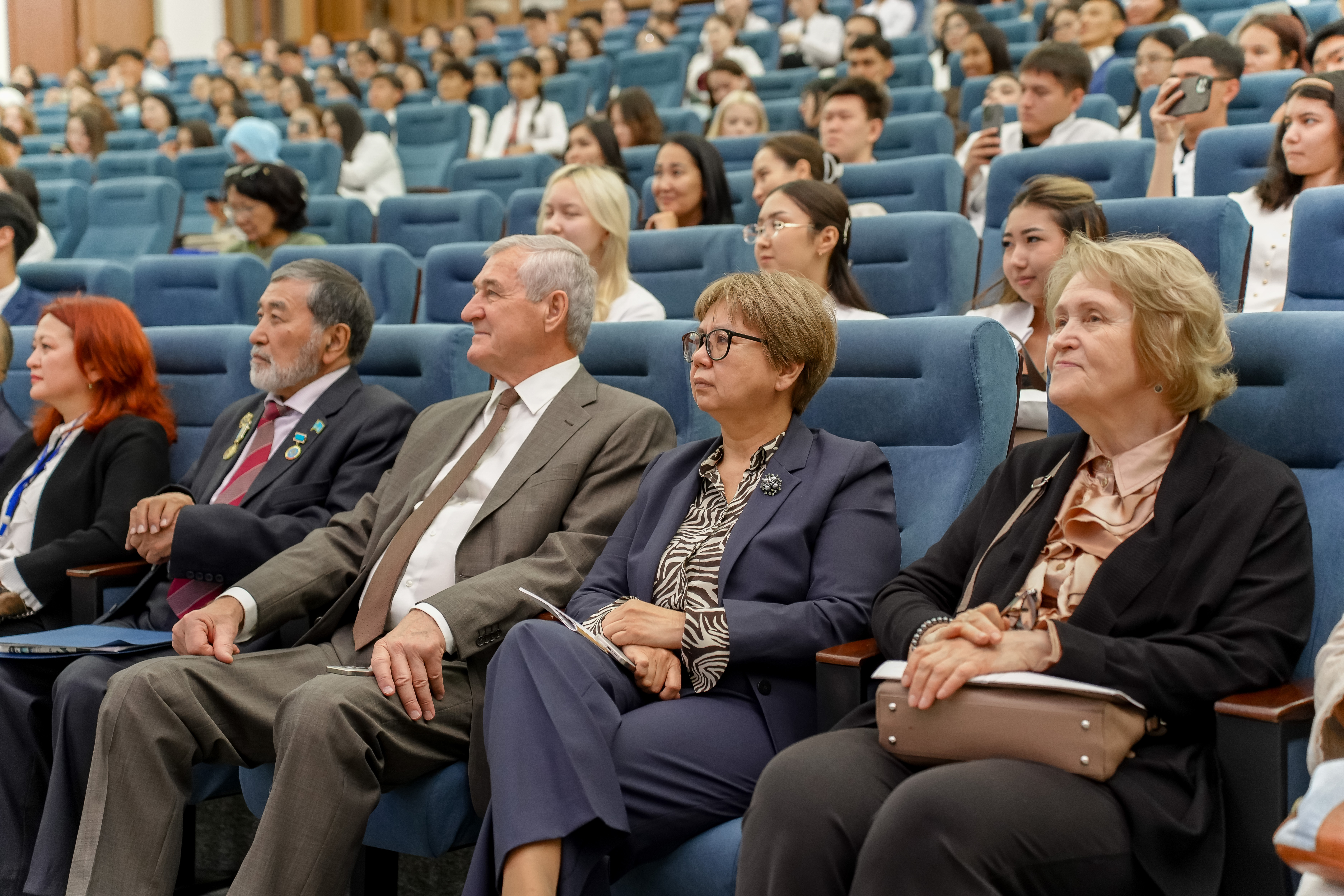
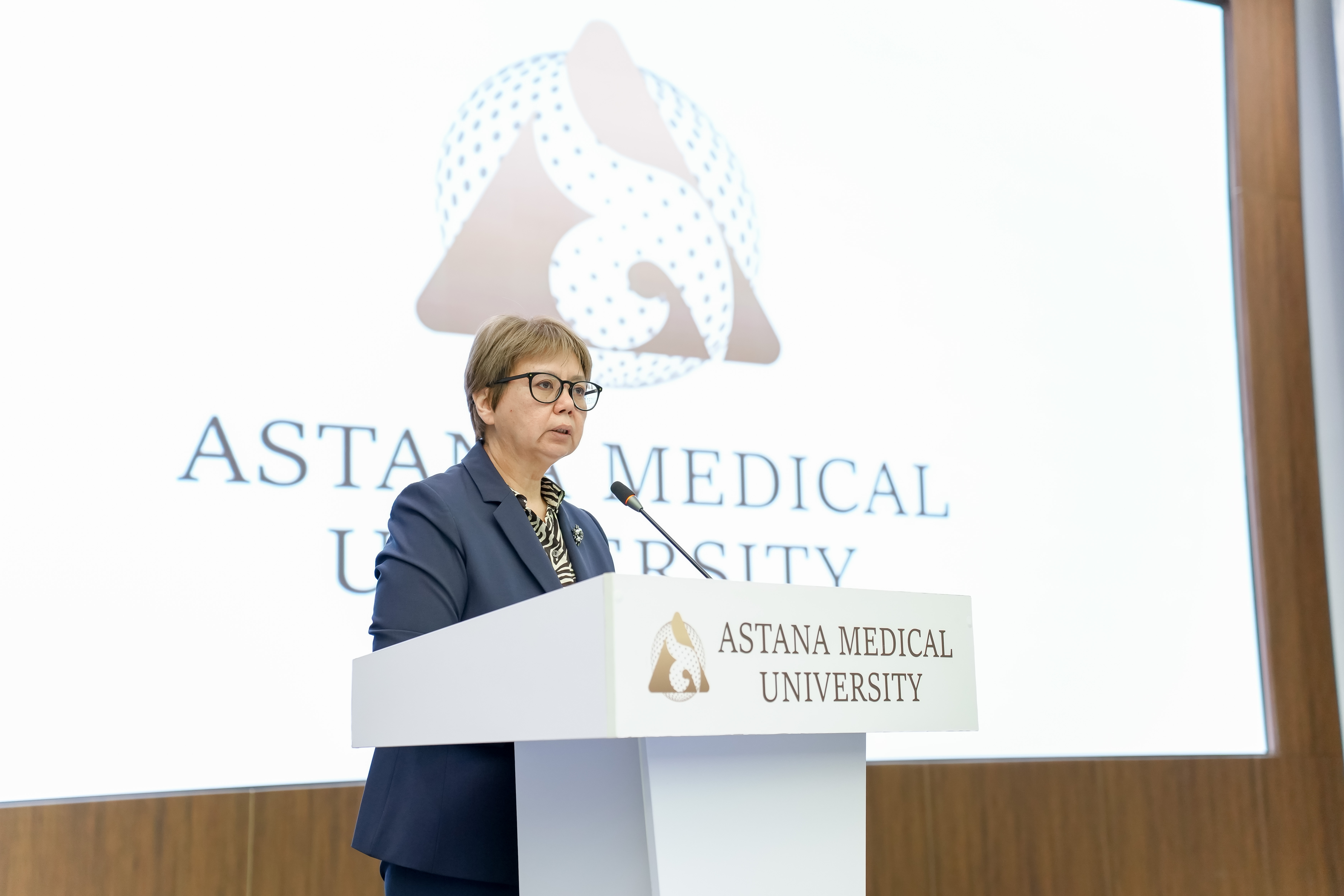
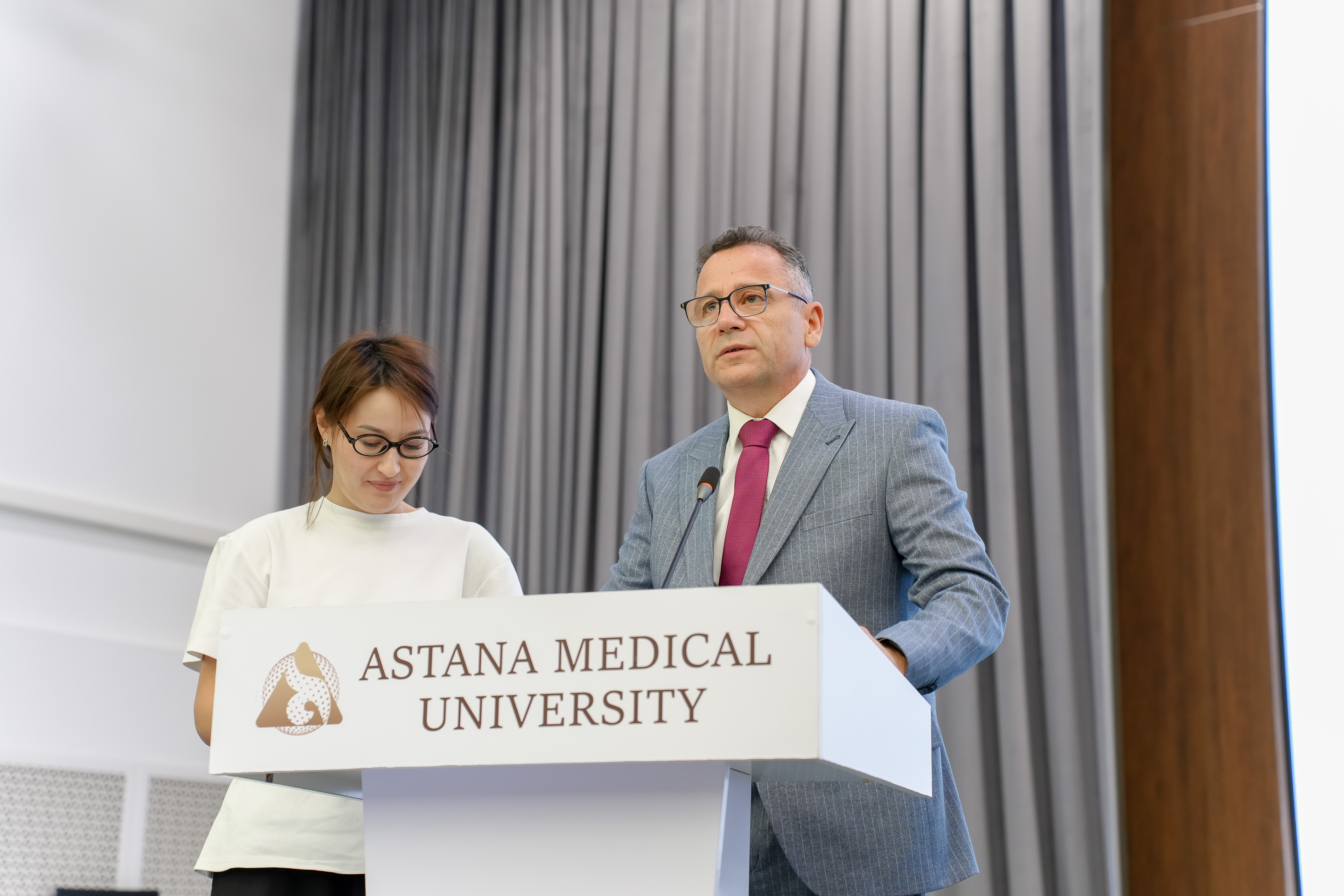
Opening the conference, Rector of Medical University Astana Anar Turmukhambetova highlighted the importance of Academician E.D. Dalenov’s scientific legacy and the need to further develop his ideas in the modern context. The conference was also attended by Skender Syla, Head of the World Health Organization Country Office in the Republic of Kazakhstan, and Laura Utemisova, National Coordinator of WHO Public Health Programmes in Kazakhstan.
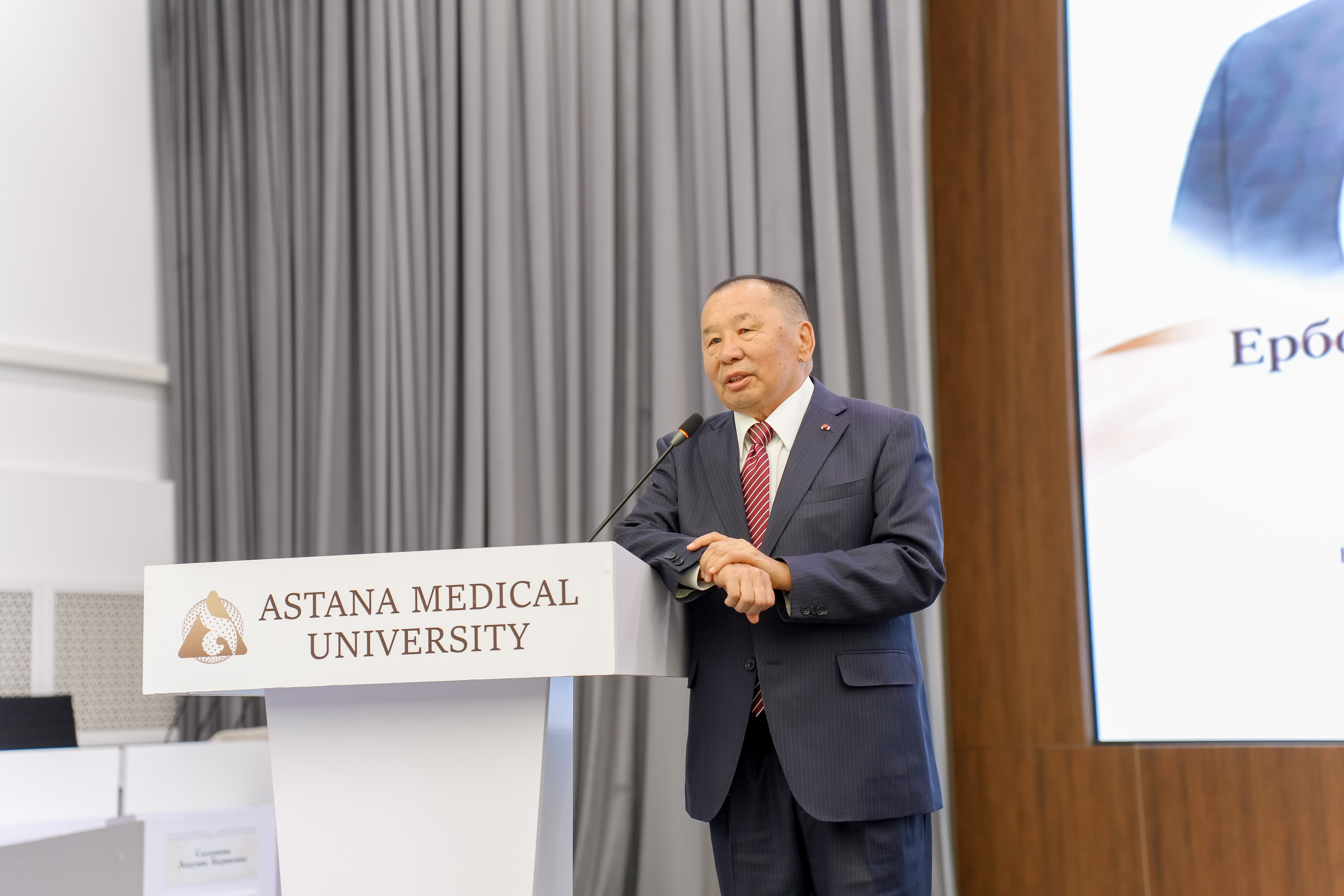
A special place in the conference programme was given to the memories of the academician’s colleagues, associates and friends. Their contributions were not only a tribute to the scientist, but also an opportunity to revisit the scientific school he established and the principles of preventive medicine that remain highly relevant today.
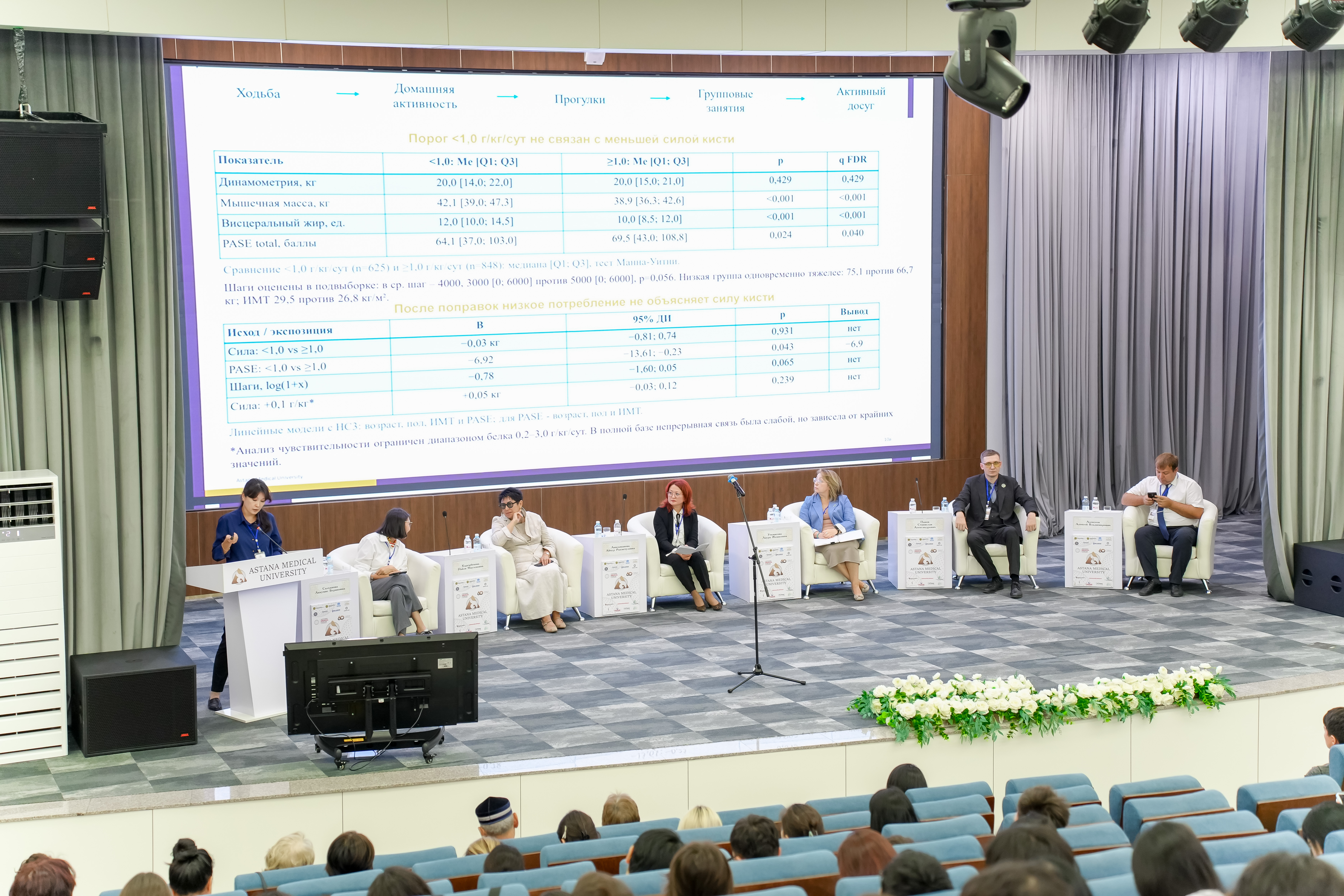
One of the central themes of the conference was the development of preventive medicine. The plenary session brought together specialists working in a wide range of fields - fr om public health and genomics to nutrition, occupational hygiene and digital health monitoring.
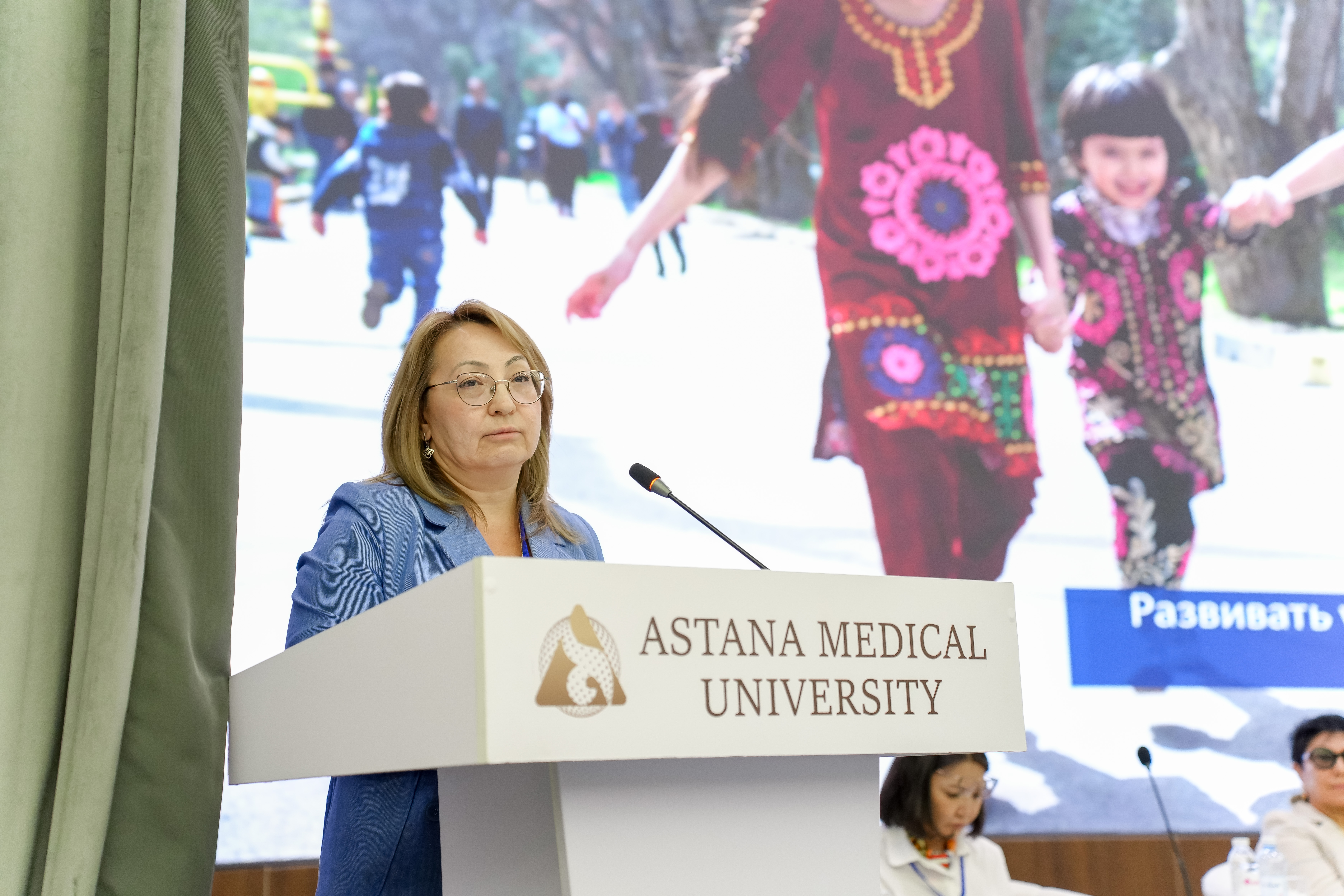
Aigul Abdullayeva, Director of the Research Institute of Preventive Medicine named after Academician E.D. Dalenov, spoke about the achievements and traditions of Academician Dalenov’s scientific school, as well as new horizons for preventive medicine.
The discussion also focused on contemporary challenges, including population ageing, the need to preserve health and wellbeing in older age, the potential of genomics and personalised approaches, food safety, and modern technologies for monitoring health conditions.
Particular attention was paid to the understanding that longevity is not simply about the number of years a person lives, but, above all, about the quality of those years. For this reason, the conference addressed physical activity, nutrition, risk-factor management, prevention of age-related changes and preservation of functional capacity.
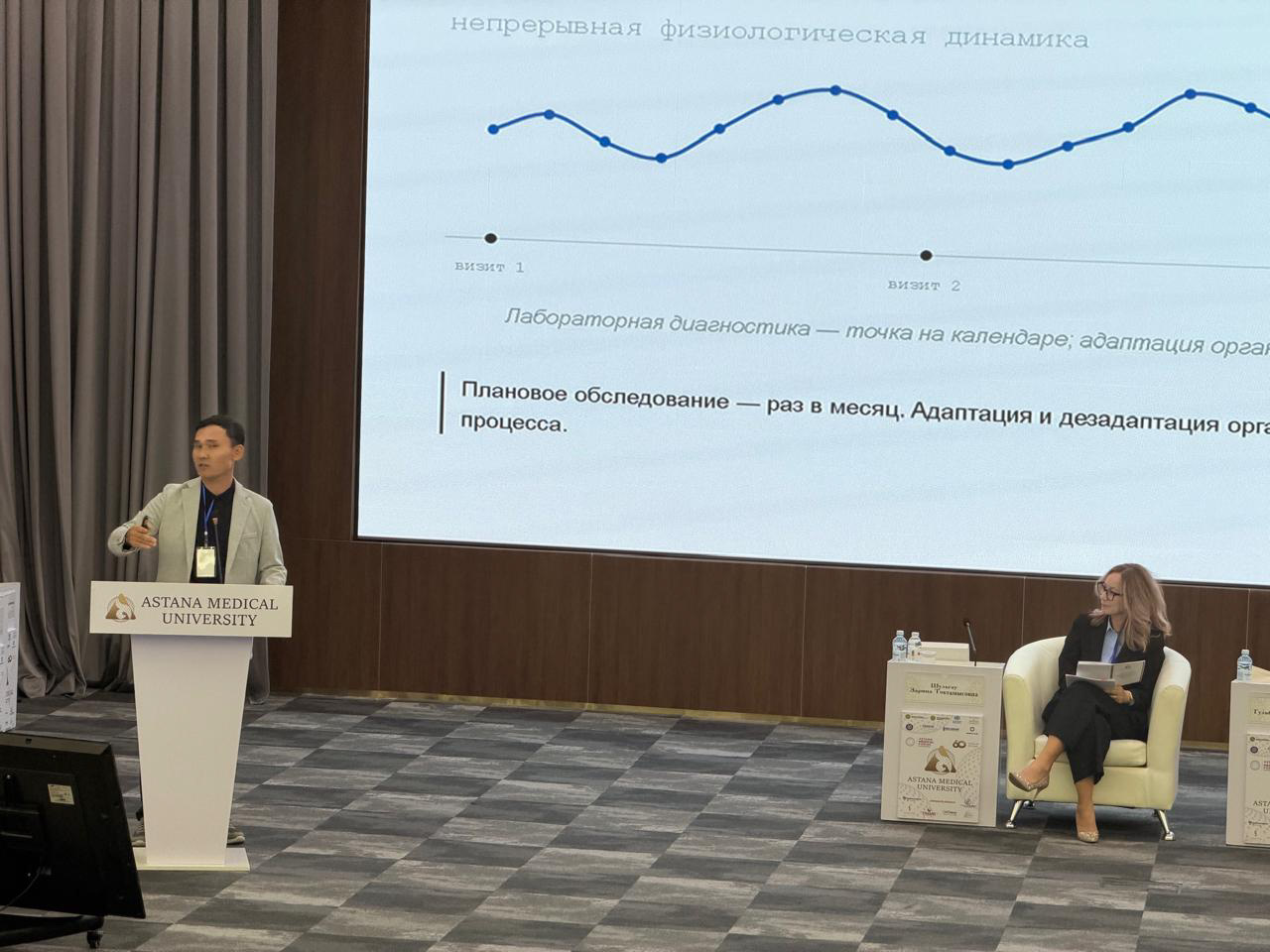
Modern preventive medicine is moving increasingly beyond universal recommendations. Personalised technologies, genomics, artificial intelligence, wearable devices and predictive analytics are becoming an increasingly important part of the field.
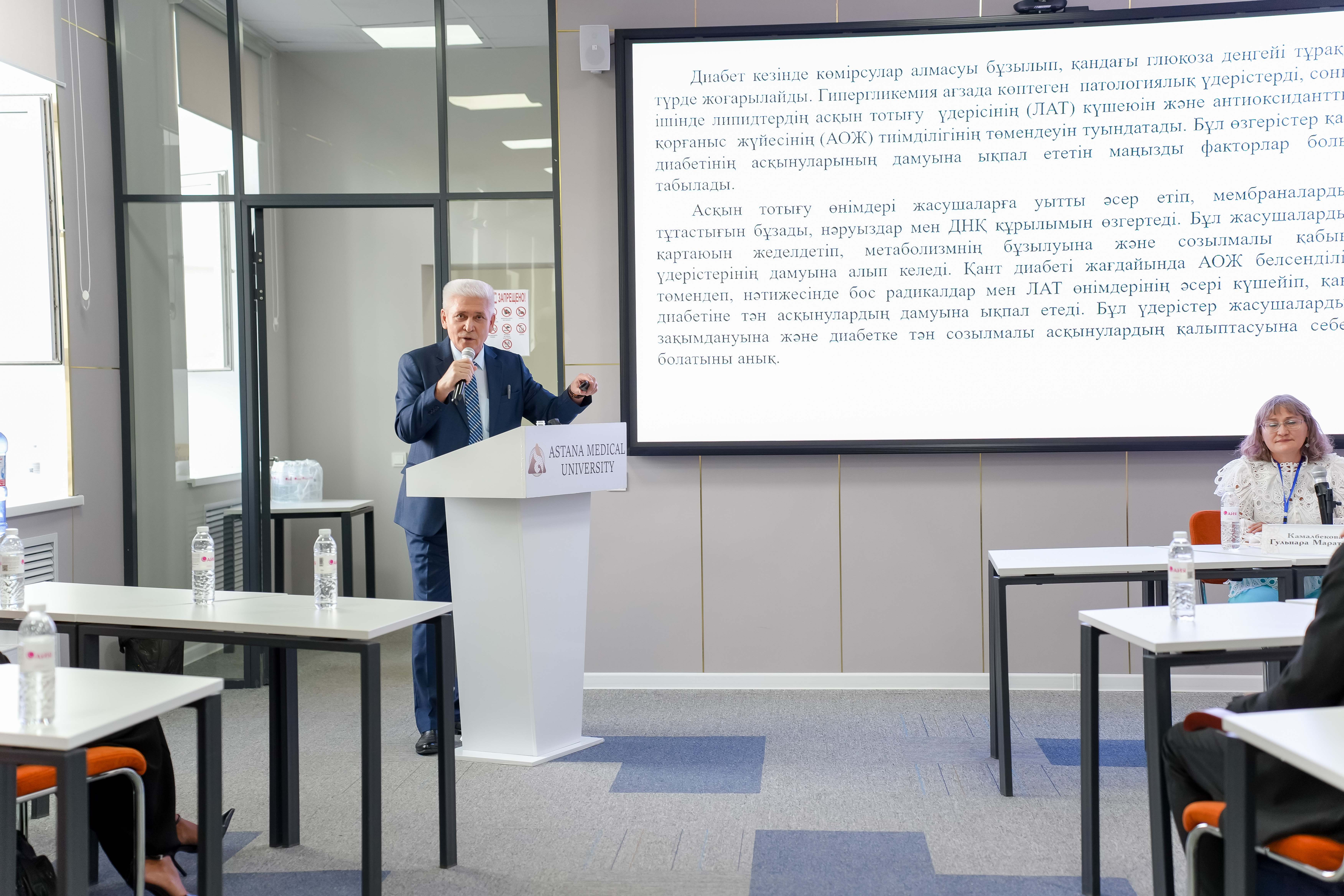
These issues were addressed in dedicated presentations by conference participants. Experts discussed the possibilities of predicting functional reserve, applying multimodal artificial intelligence in sports medicine, remotely monitoring clinically significant symptoms, and using wearable devices for personalised prevention.
Nutrition and metabolic health were also an important part of the scientific agenda. Participants examined the role of nutritional support, food safety, the microbiome, metabolic risk factors and modern approaches to nutrition science.
A distinctive feature of the conference was its broad perspective on prevention. The focus was not limited to diseases associated with older age, but also included the factors that shape a person’s health throughout the entire life course.
Experts discussed metabolic and behavioural programming in early childhood, school nutrition, occupational stress, the health of the working population, and the prevention of cardiovascular diseases, cervical cancer and other conditions.
Separate presentations focused on geriatrics, including the prevention of frailty, preservation of physical and cognitive functioning, rehabilitation, nutrition for older people and the development of geriatric care. International experience was also presented, including approaches developed by Russian specialists in the field of gerontology.
Thus, healthy longevity was considered at the conference as a comprehensive concept — encompassing nutrition and physical activity, psychosocial environment, digital technologies and the organisation of public health systems.
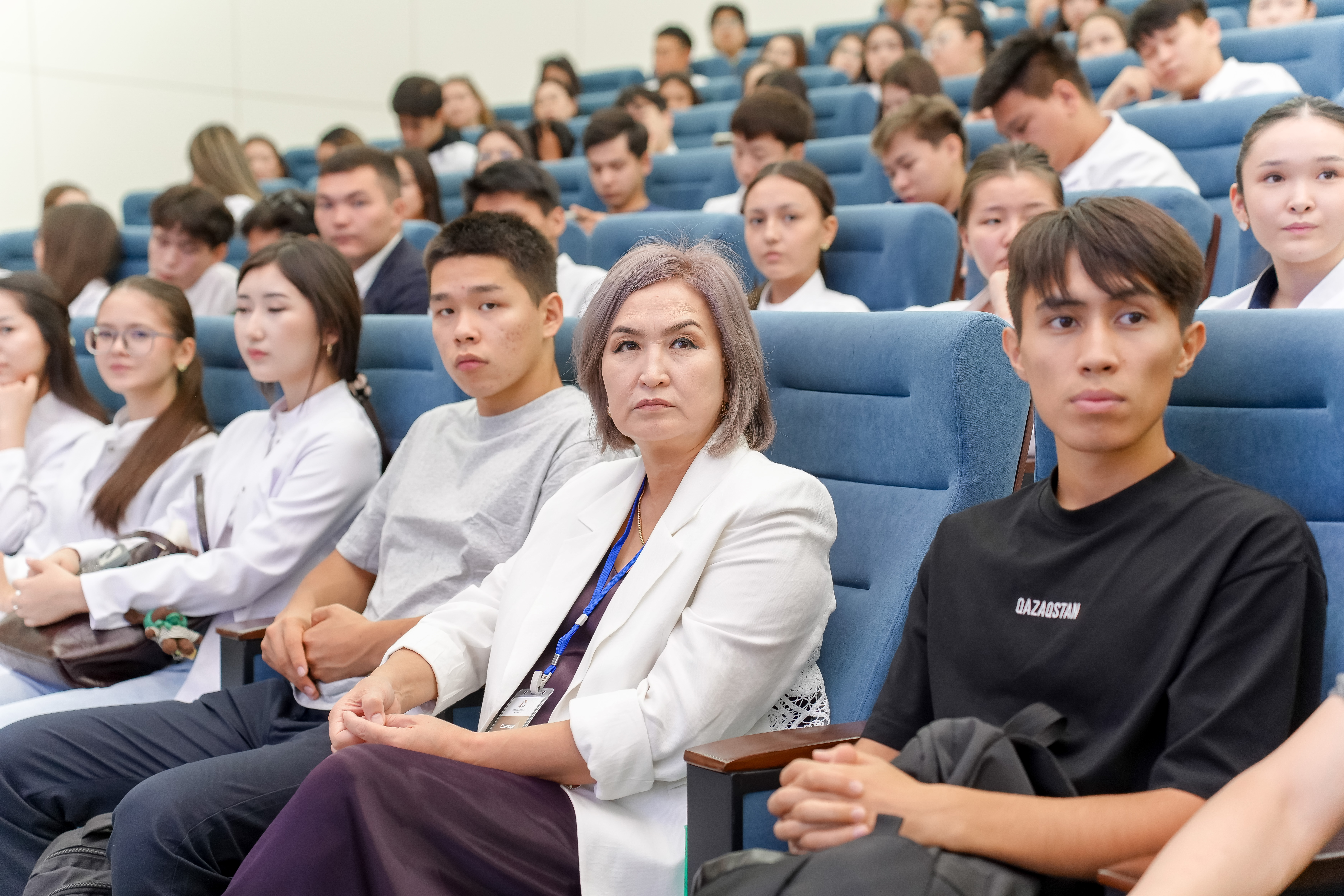
The international format of the conference brought together representatives of medical and scientific organisations from Kazakhstan and colleagues from abroad. The programme included experts from the World Health Organization, representatives of the Astana City Healthcare Department, the National Codex Alimentarius Centre, Nazarbayev University, the National Centre of Public Health, the National Scientific Oncology Centre, the Kazakh Academy of Nutrition, medical universities of Kazakhstan, including representatives of the Faculty of Additional Professional Education of the N.I. Pirogov Russian National Research Medical University in Moscow, the Russian Gerontological Research and Clinical Center, and other organisations.
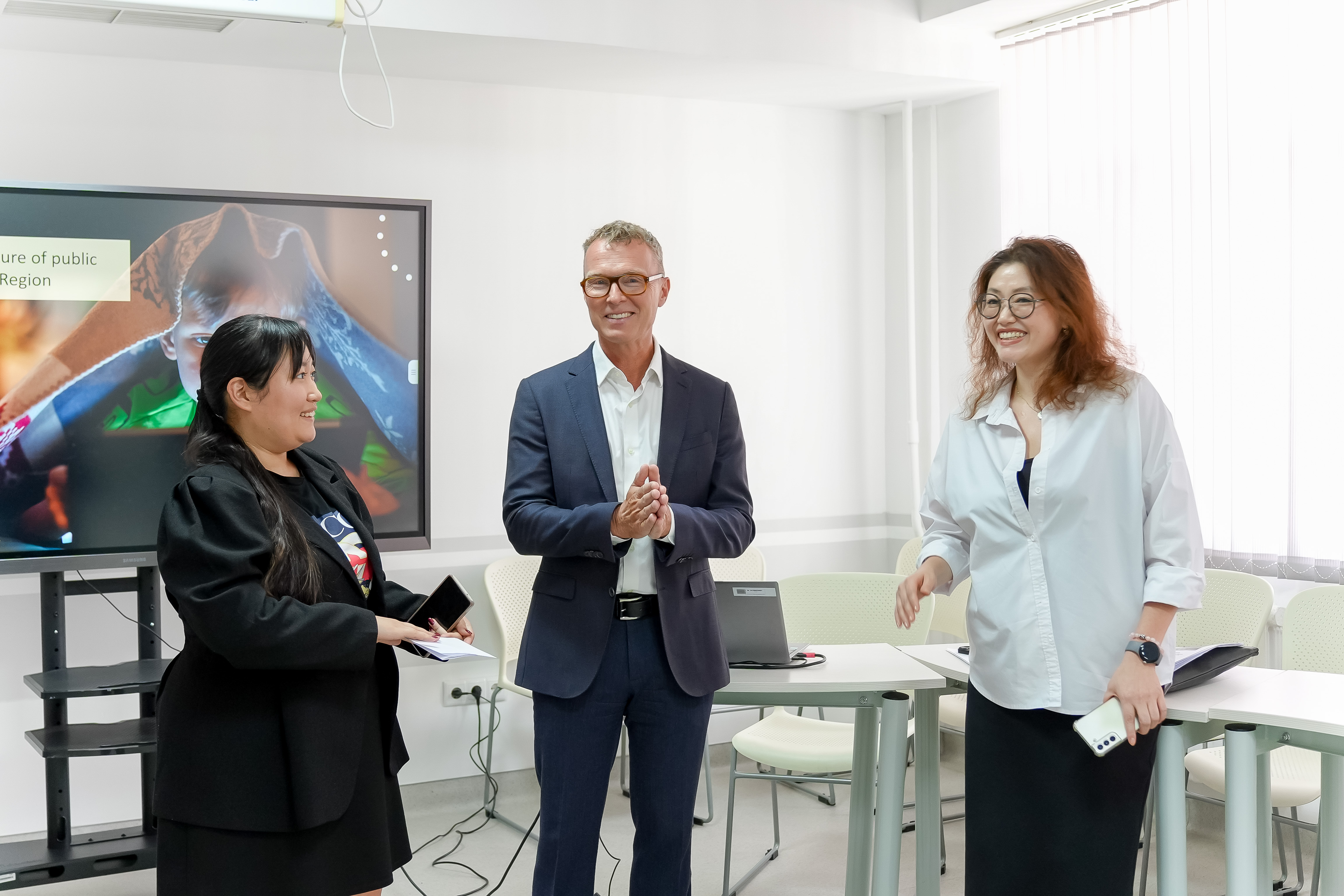
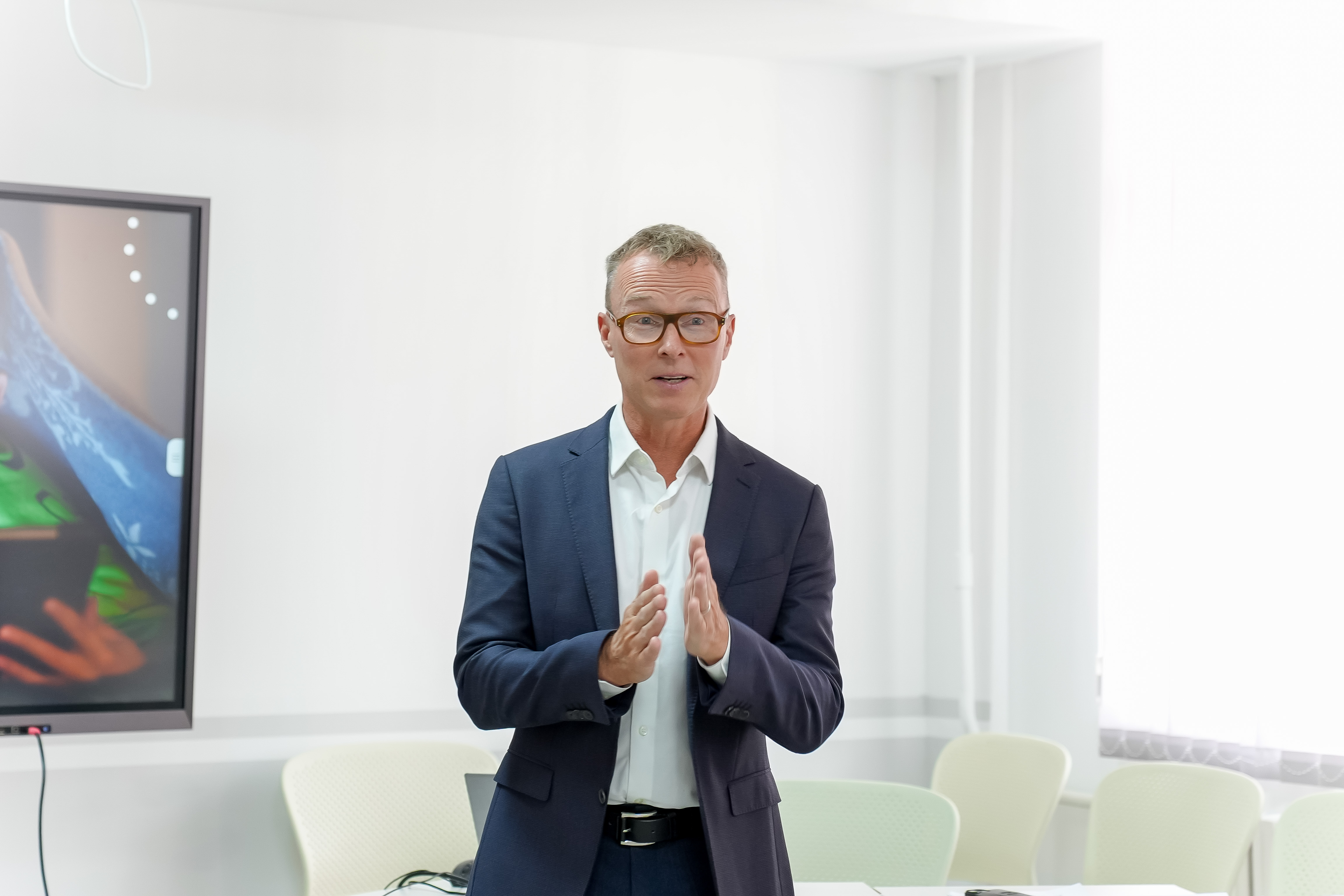
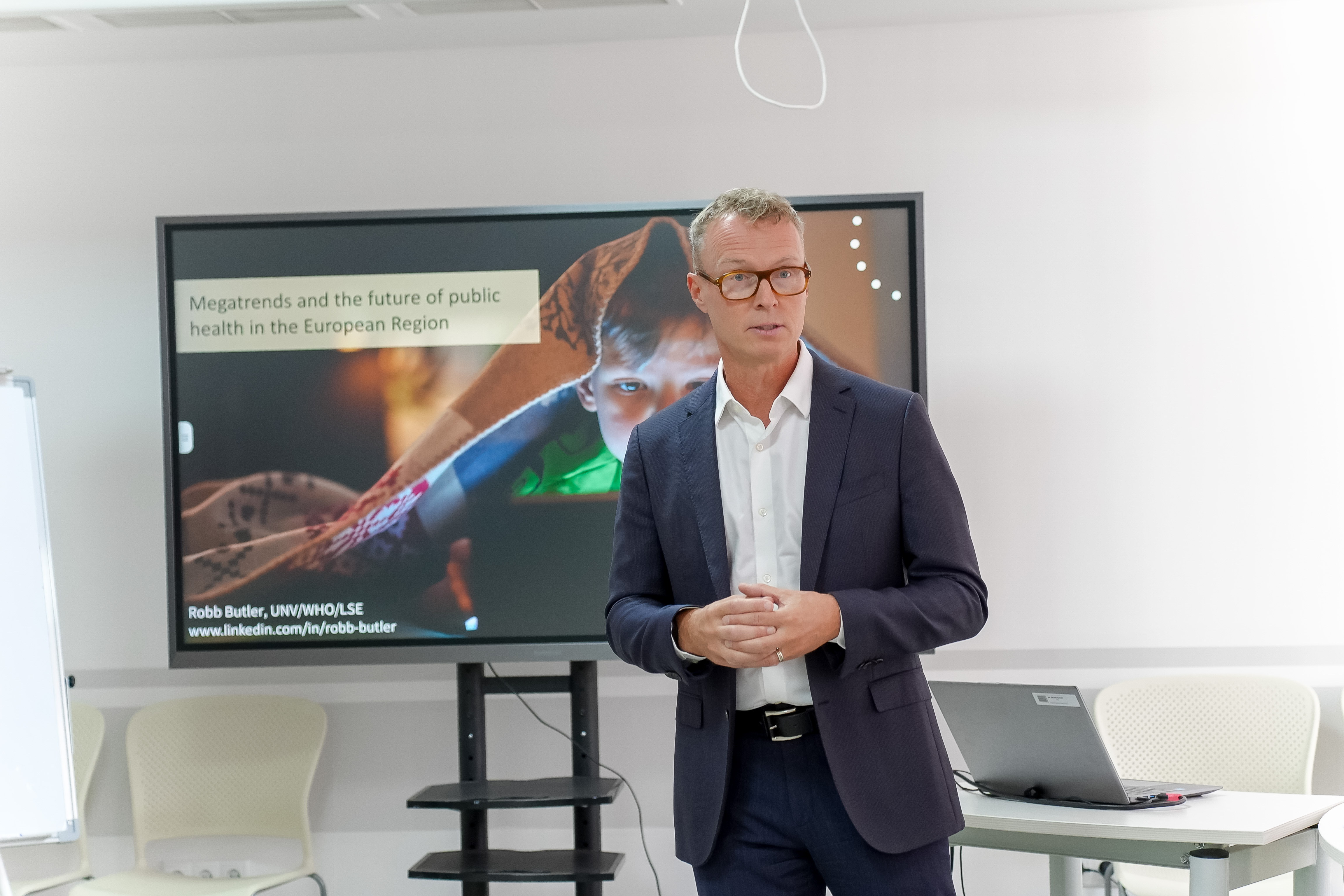
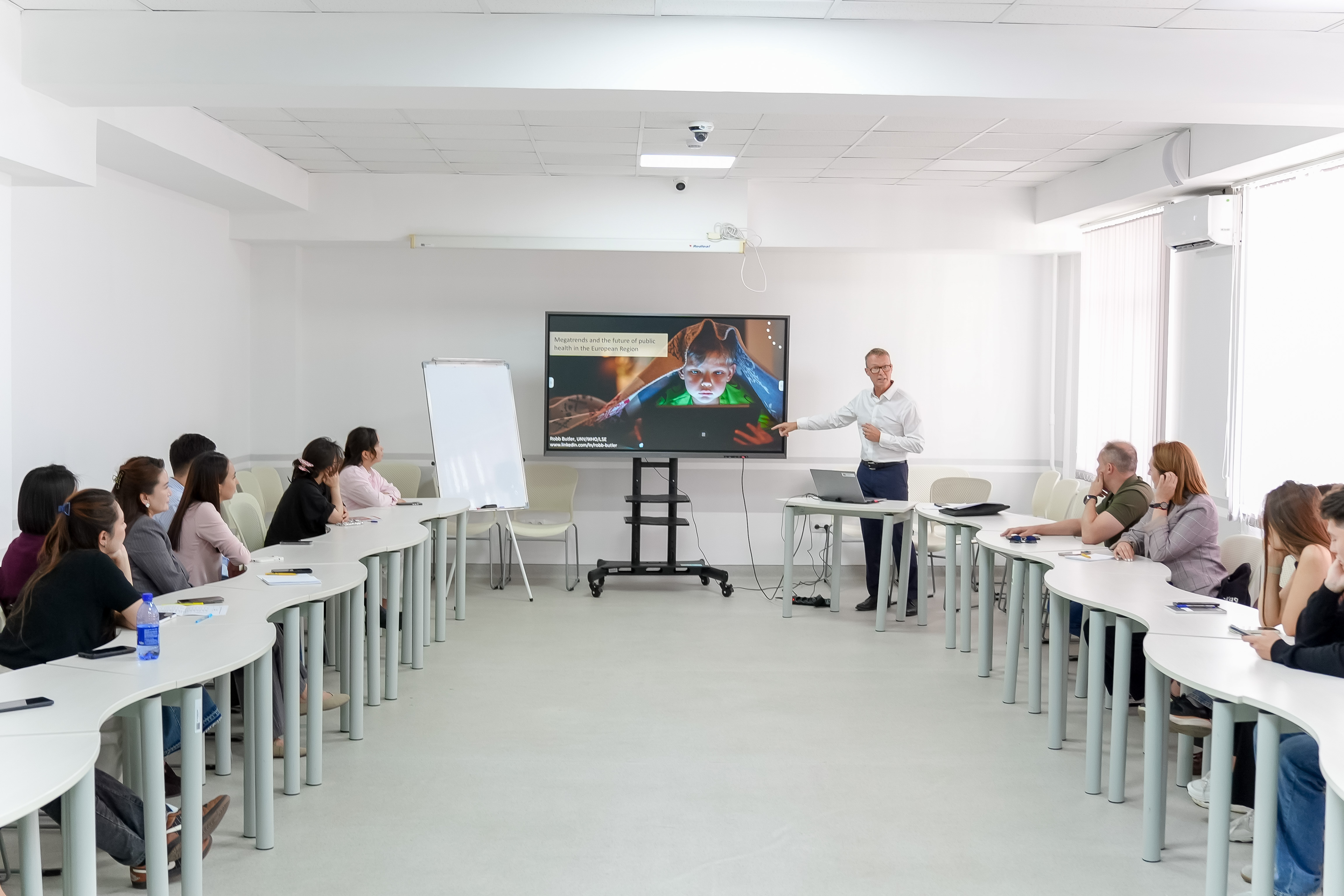
A special highlight of the conference was the guest lecture delivered by Robb Butler, Director of the Division of Communicable Diseases, Environment and Health at the WHO Regional Office for Europe and WHO Special Representative for Climate and Health. His presentation focused on global and regional health challenges and introduced the audience to behavioural sciences. The lecture generated considerable interest among the participants.
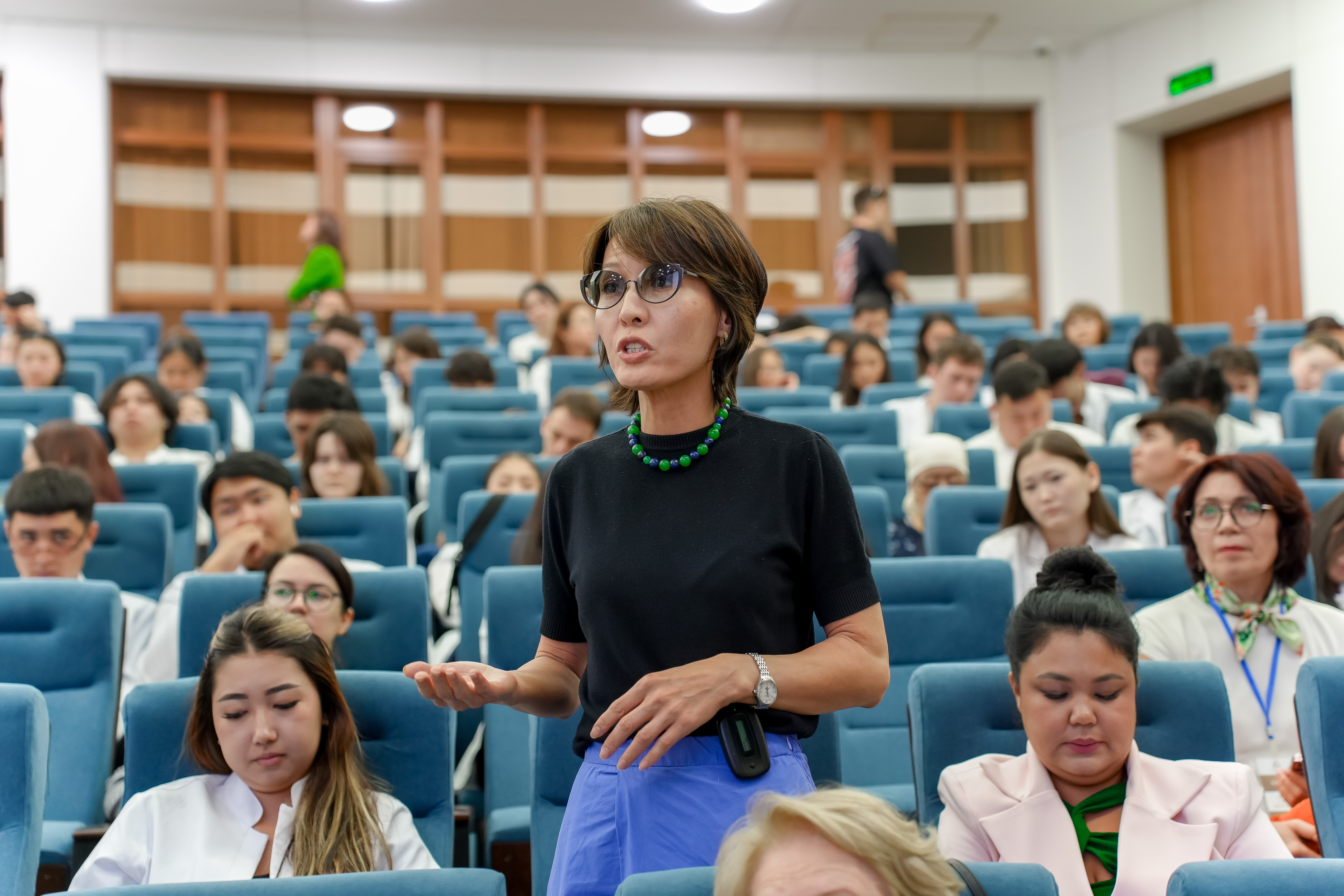
The intensive scientific programme concluded with an open discussion, “Panel of Opinion Leaders: New Solutions for Healthy Longevity”, bringing together representatives of public health, science, medicine and the expert community.
The conference formed part of a broader programme dedicated to the memory of Academician Yerbolat Dalenov. The programme also included Poetry and the Art of Spoken Word Day, the Teacher’s Cup chess tournament, the “Healthy Life in 10 Seconds” 2D animation competition, and master classes on modern nutrition science and artificial intelligence in education and research.
The academician’s scientific legacy continues to live on not only through research and publications, but also through his students, new scientific projects, educational initiatives and professional dialogue.
Today, preventive medicine is taking on a new dimension. It is becoming a space wh ere fundamental science and digital technologies, public health and personalised medicine, research and practical solutions come together.
And the key question connecting all these areas remains unchanged: what can medicine do today to help people remain healthy tomorrow?
The search for an answer to this question became one of the key outcomes of the conference “Preventive Medicine — A Vector for Quality and Healthy Longevity”.