How should doctors respond to parents’ questions about vaccines? How can they address concerns and explain medical information in simple, accessible language? These issues were discussed by experts from the World Health Organization (WHO) and faculty members of Astana Medical University.
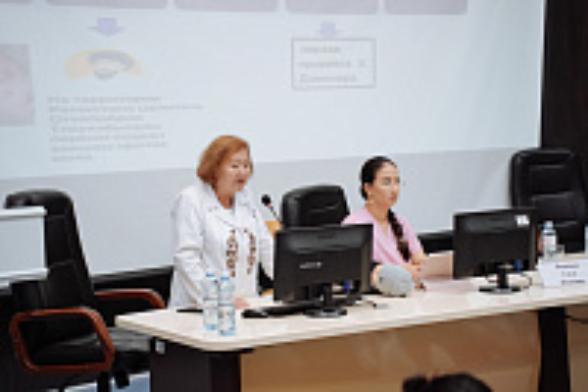
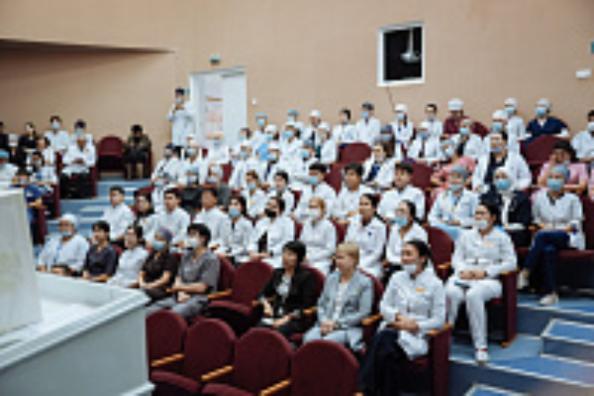
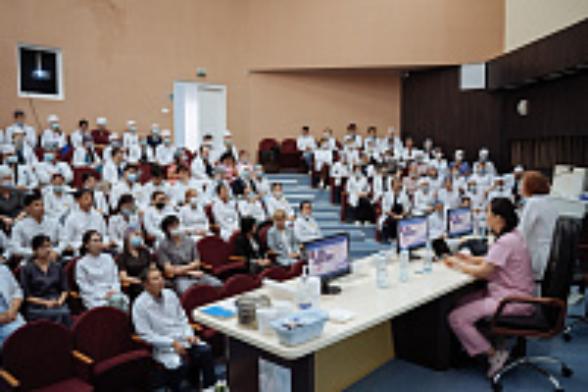
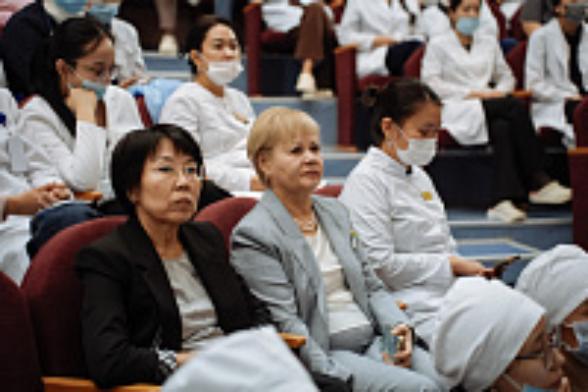
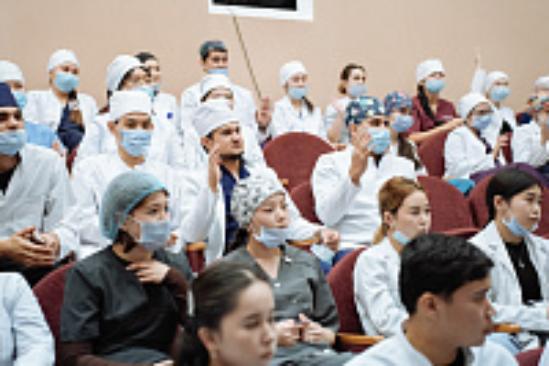
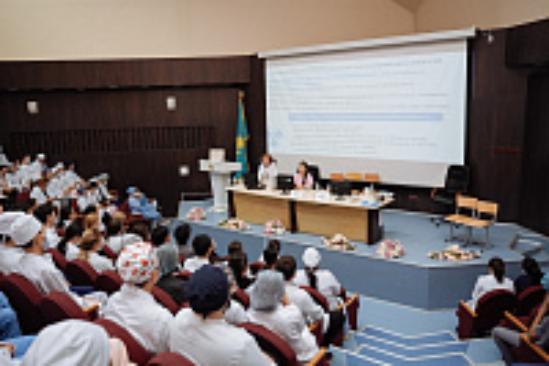
WHO experts attended an open session for residents of the Department of Pediatric Infectious Diseases, held at City Children’s Hospital No. 3. Together with pediatric faculty members and pediatric infectious disease specialists, they discussed ways to incorporate a supportive yet evidence-based approach to addressing vaccine hesitancy into medical education.
The discussion focused not only on what doctors need to know about vaccines, but also on how they should communicate this information. Healthcare professionals need to be able to listen carefully, understand the reasons behind a person’s concerns, address difficult questions and explain medical information in clear and accessible language. These communication skills can be developed through clinical training as well as by discussing real-life cases from medical practice.
During the meeting, the heads of several AMU departments spoke about how different academic disciplines can contribute to training specialists in immunization and vaccine-preventable disease prevention. The speakers included Professor Miram Muldakhmetov, Head of the Department of Childhood Diseases No. 2; Professor Saltanat Urazova, Head of the Department of Family Medicine No. 3; and Professor Aiman Musina, Head of the Department of Epidemiology and Biostatistics.
The speakers emphasized that vaccination should be incorporated into the training of specialists across different medical fields rather than being addressed within a single discipline alone.