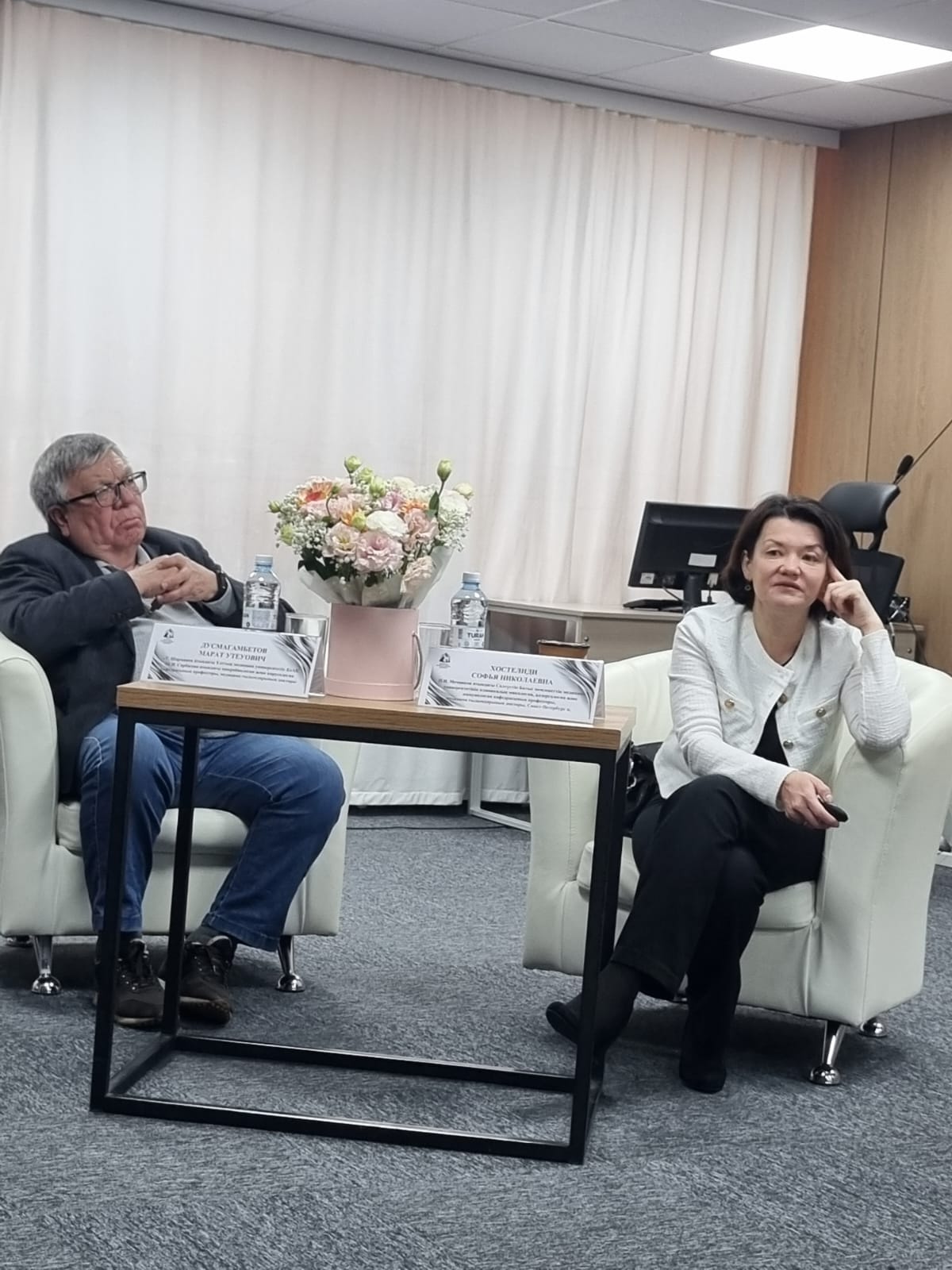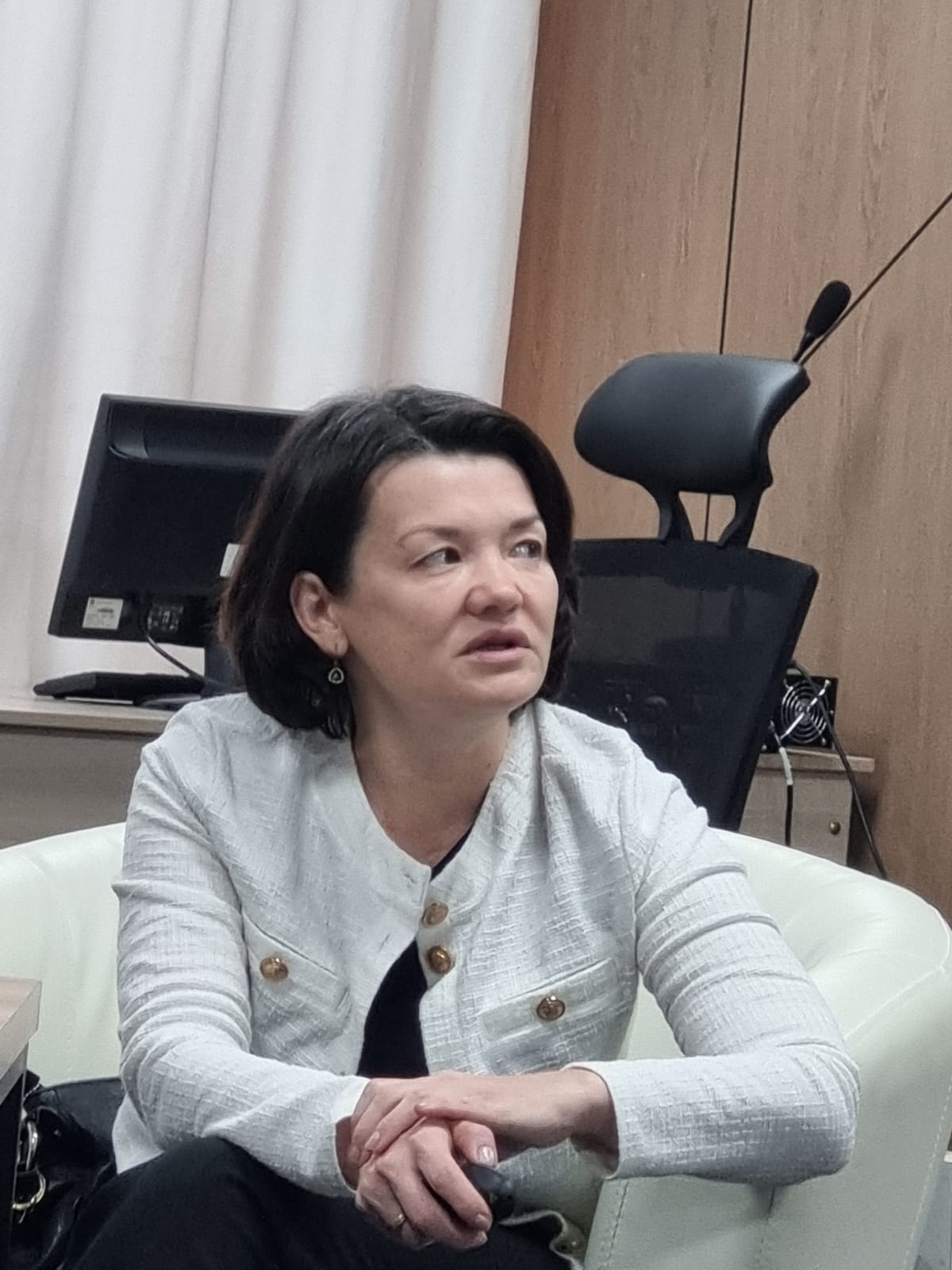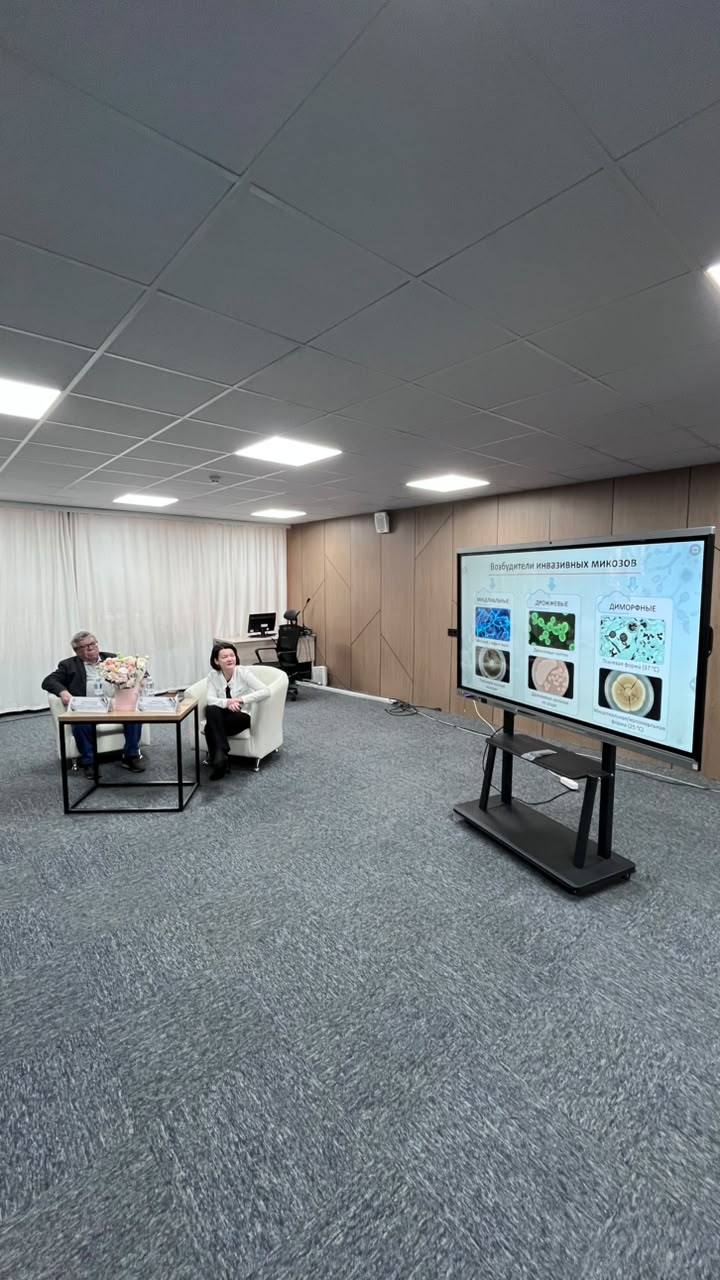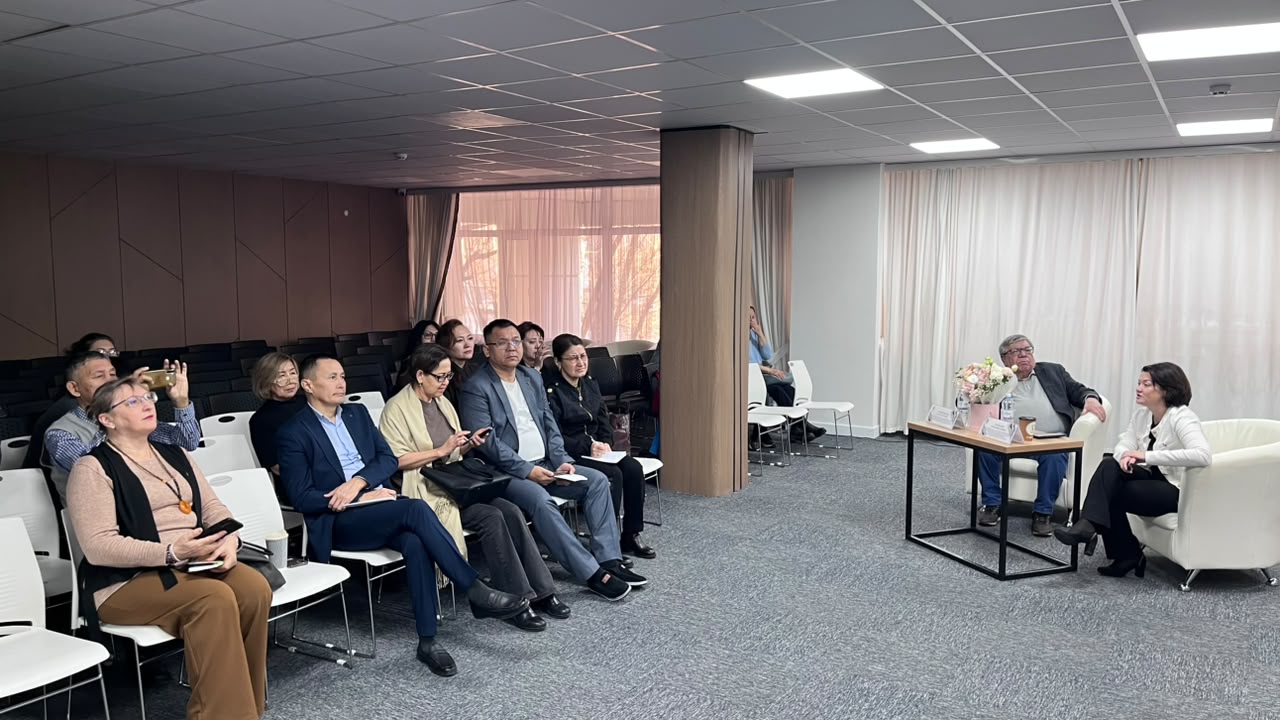
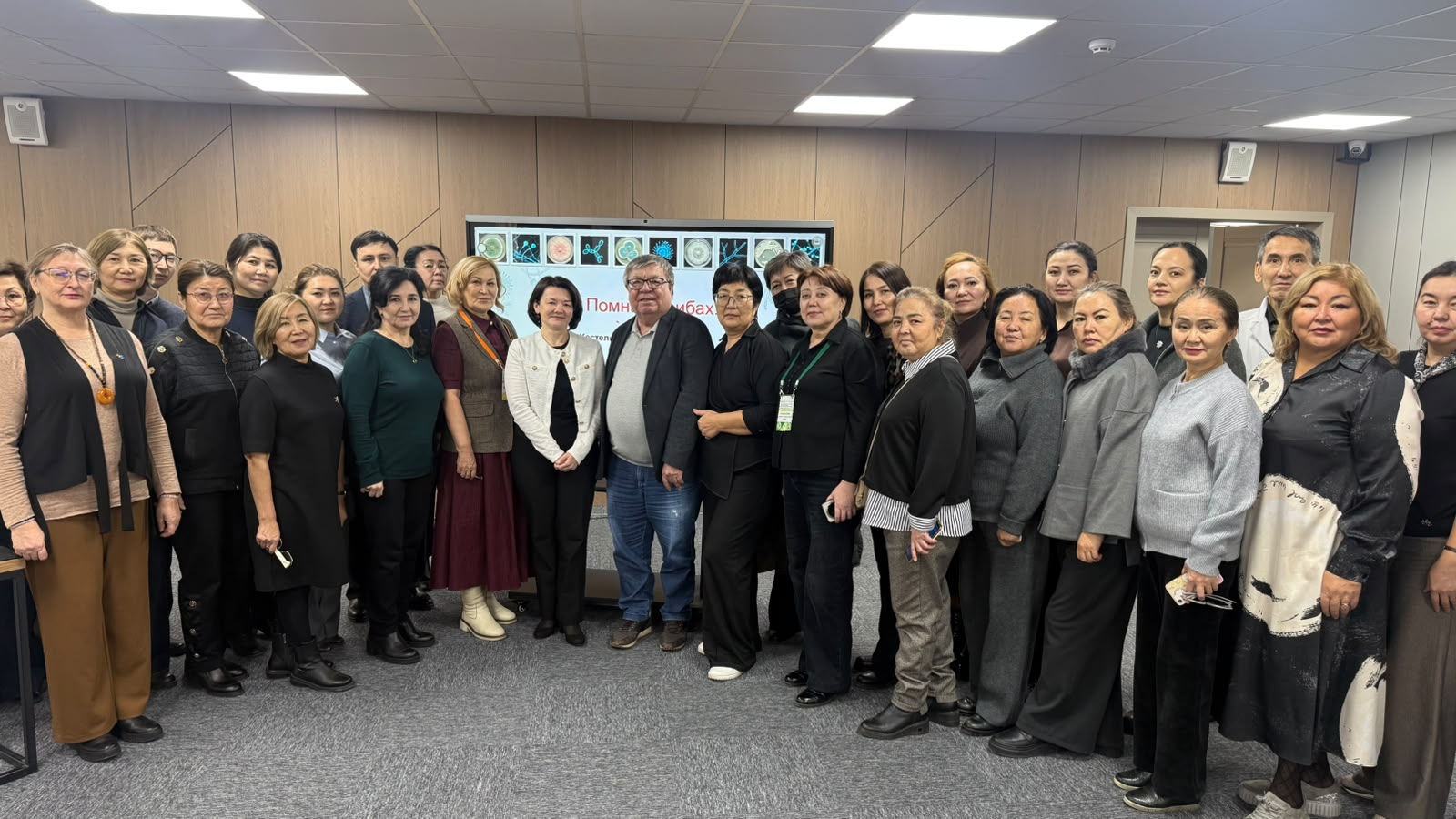
On November 21, 2026, participants of the 5th International Scientific and Practical Conference “Antimicrobial Resistance — Challenges in Healthcare” had an opportunity to learn from Professor Sofia Khostelidi, Doctor of Medical Sciences and one of the leading experts in medical mycology.
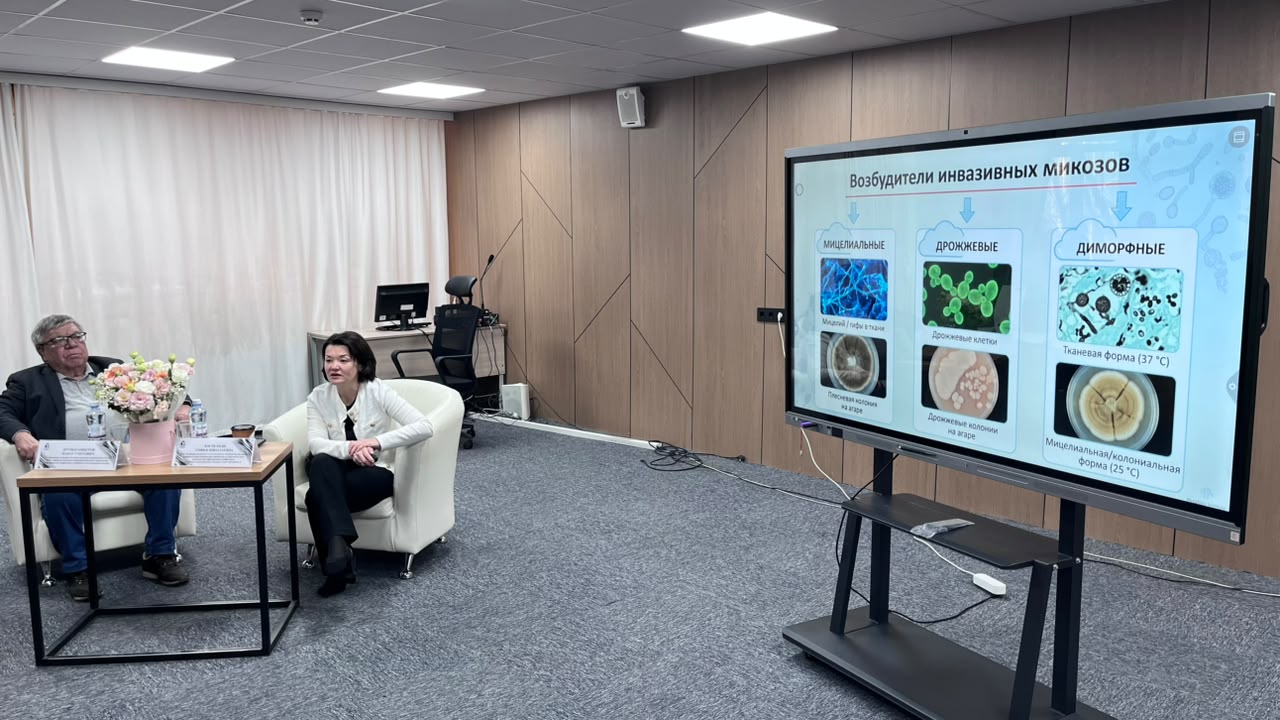
Professor Khostelidi, who represents the Department of Clinical Mycology, Allergology and Immunology at the North-Western State Medical University named after I. I. Mechnikov in St. Petersburg, Russia, conducted a master class on modern approaches to the diagnosis and treatment of fungal infections.
She was joined by Marat Dusmagambetov, Doctor of Medical Sciences and Professor at the Sh. I. Sarbassova Department of Microbiology and Virology of T. Sharmanov National Medical University.
The master class brought together 50 specialists, including bacteriologists, clinical laboratory diagnostics professionals, leading clinical microbiologists from different regions of Kazakhstan, clinicians and faculty members from specialised departments.
The central focus of the session was one of the most challenging issues in modern medicine — diagnosing invasive mycoses in critically ill patients. Fungal infections can often resemble bacterial diseases and other complications, making their timely detection particularly difficult.
Using real clinical cases, Professor Khostelidi demonstrated how to assess risk factors, symptoms and the results of laboratory and instrumental examinations step by step. The participants reviewed differential diagnostic criteria and discussed an important question in clinical practice: how to distinguish fungal colonisation from a dangerous invasive infection.
The discussion of blood tests in suspected cases of invasive mycosis attracted particular interest. Professor Khostelidi explained why laboratory findings should not be considered in isolation and how their interpretation depends on the suspected pathogen, the site of infection and the patient’s overall condition.
Professor Marat Dusmagambetov presented the practical principles of diagnostic stewardship. He discussed how to select appropriate microbiological tests, improve the clinical value of laboratory data and establish effective collaboration between clinicians and laboratory specialists. The participants also explored how accurate diagnostics can reduce the unnecessary use of antibiotics and support the selection of optimal antimicrobial therapy.