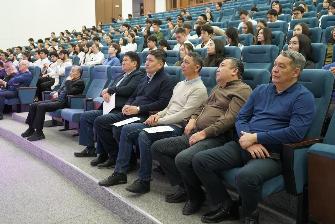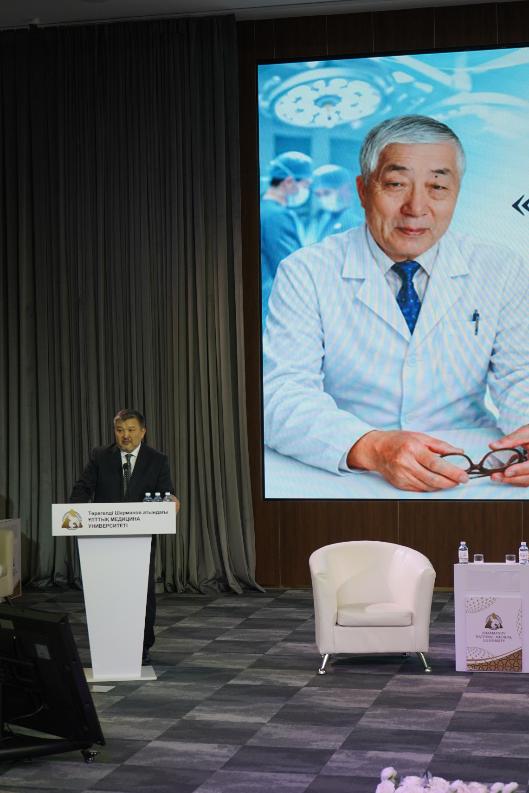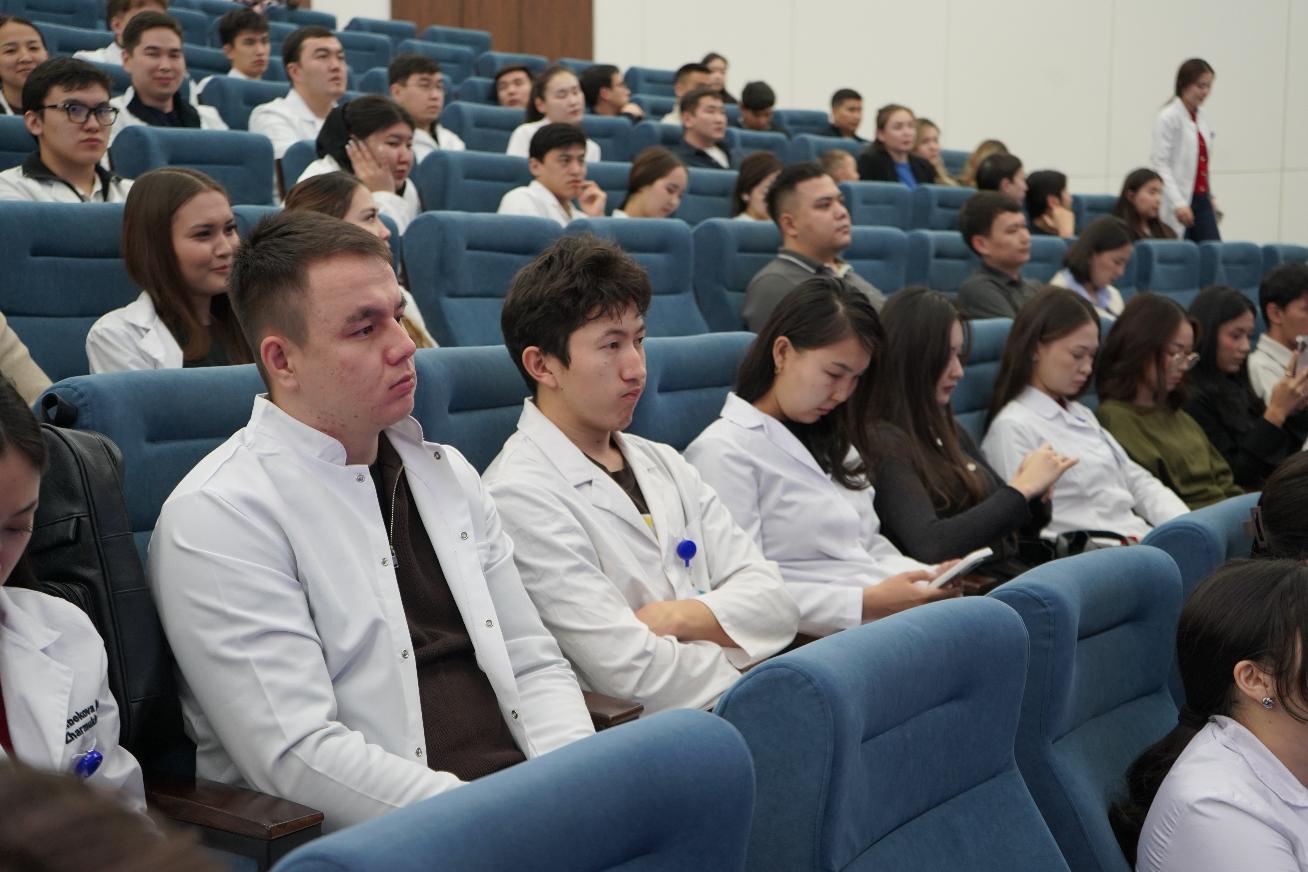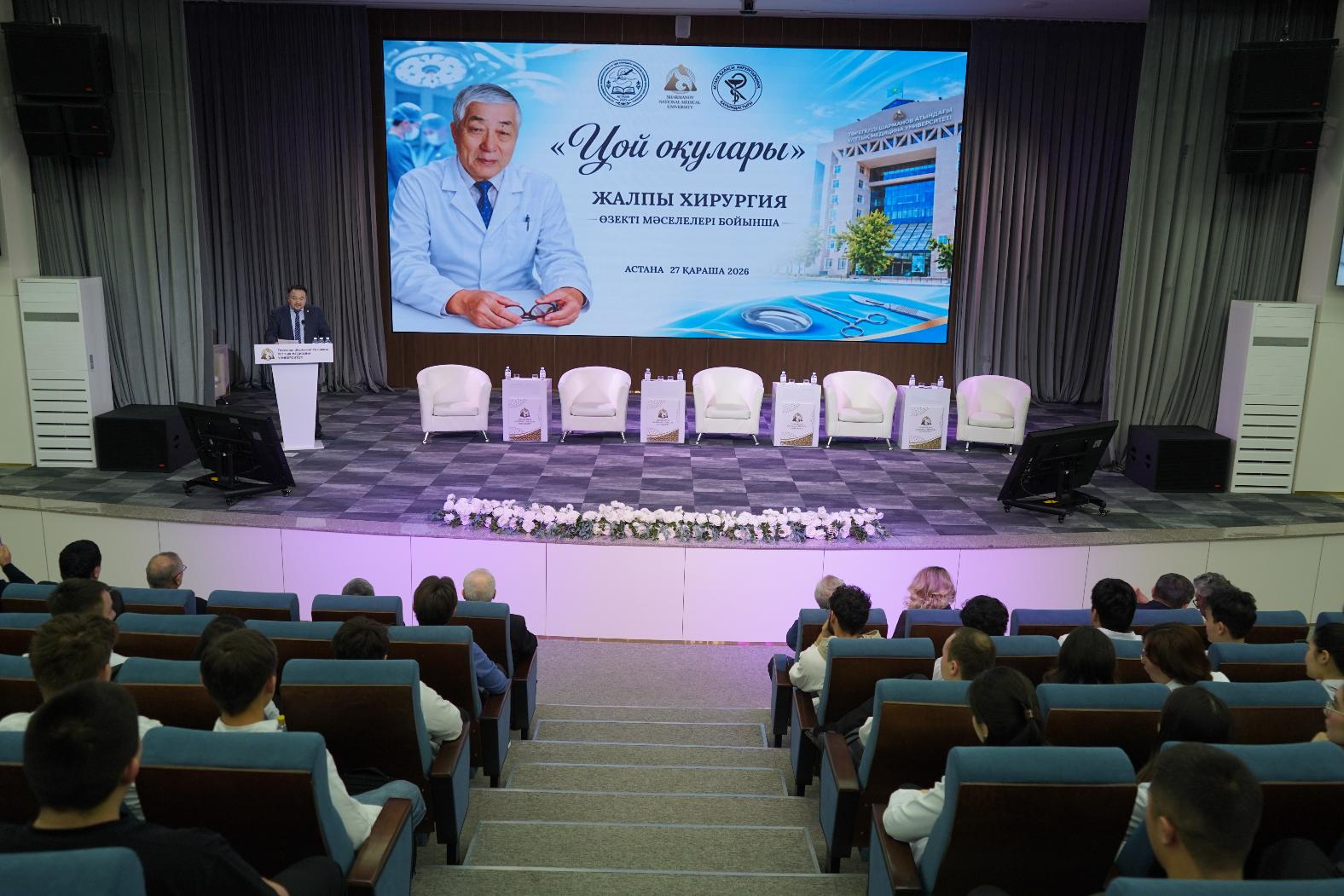
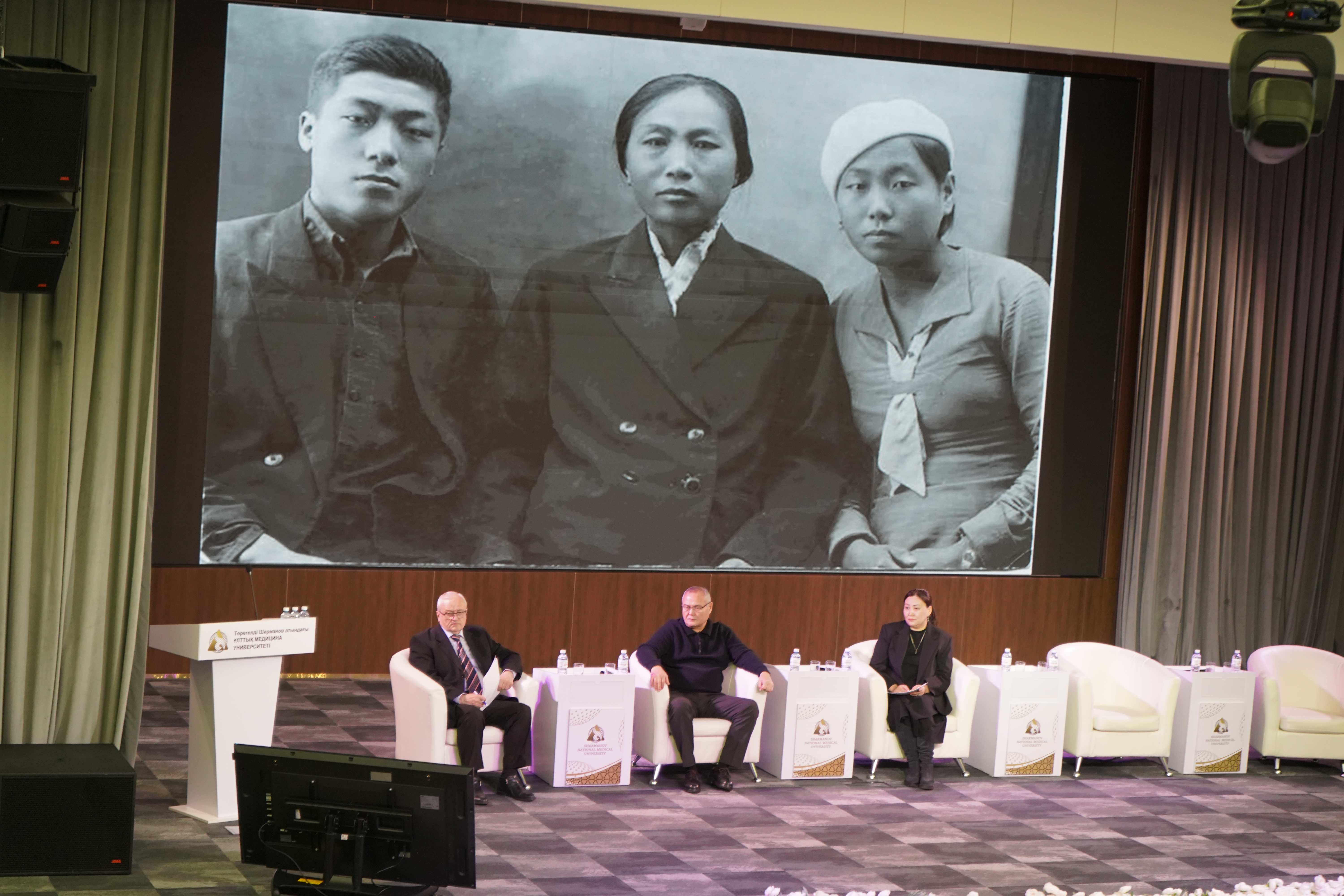
Sharmanov National Medical University hosted a conference on contemporary surgical practice. The scientific session featured 13 presentations addressing questions surgeons face when choosing a course of treatment. How can they recognise severe disease before surgery, assess the risk of complications and account for the circumstances of each patient?
Hepatobiliary surgery was a major focus. Participants discussed the surgical treatment of liver abscesses and the importance of understanding variations in bile duct and vascular anatomy when planning an operation. Particular attention was given to ultrasound findings and laboratory markers that may help surgeons identify destructive forms of acute cholecystitis before surgery. A case presentation provided the basis for a discussion of how to diagnose and manage Mirizzi syndrome in an emergency setting.
Another theme was predicting outcomes in surgical emergencies. A review of 91 emergency cases of malignant large bowel obstruction examined factors associated with mortality. A separate presentation explored the use of machine learning algorithms to estimate the risk of recurrent peptic ulcer bleeding. Both studies addressed a practical question for surgeons: which clinical data can help identify patients at higher risk of a poor outcome?
In a discussion of surgical decision-making, presenters shared their experience with open surgery for nutcracker syndrome and laparoscopic placement of peritoneal dialysis catheters in adults. Participants also considered the use of a transjugular intrahepatic portosystemic shunt (TIPS) to treat complications of portal hypertension.
The management of inflammatory conditions and surgical infections was also discussed. Presentations covered severe erysipelas in patients with comorbidities, treatment options for iliopsoas abscesses and experience using a modified cellulose-based sorbent as part of comprehensive care for patients with diabetic foot syndrome.
The final presentation focused on the safety of healthcare workers. Participants were introduced to a digital algorithm designed to prevent occupational transmission of HIV and viral hepatitis following accidental exposure to blood. The conference closed with an open discussion, giving participants the opportunity to ask the speakers about their research and the clinical cases presented.