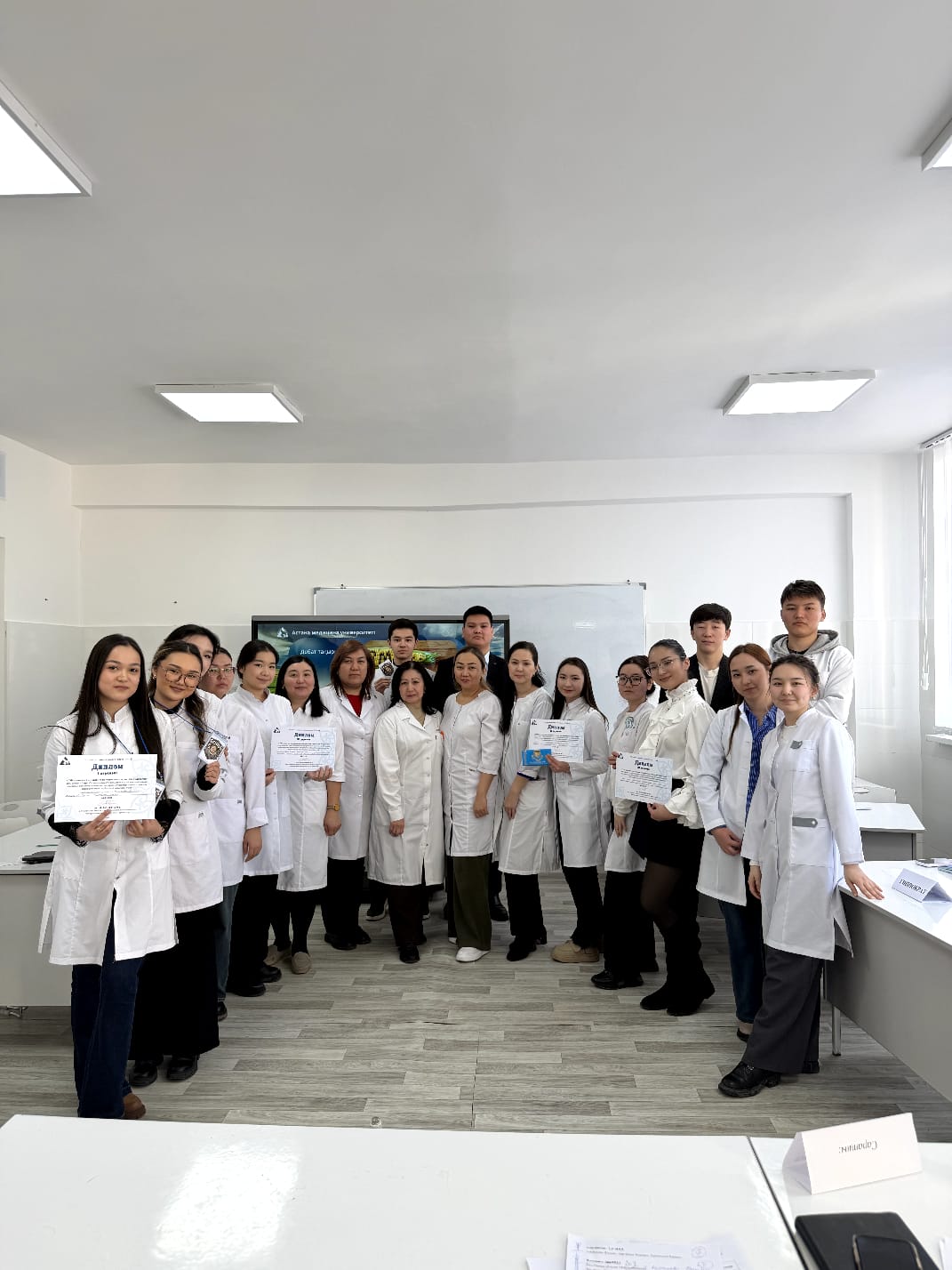
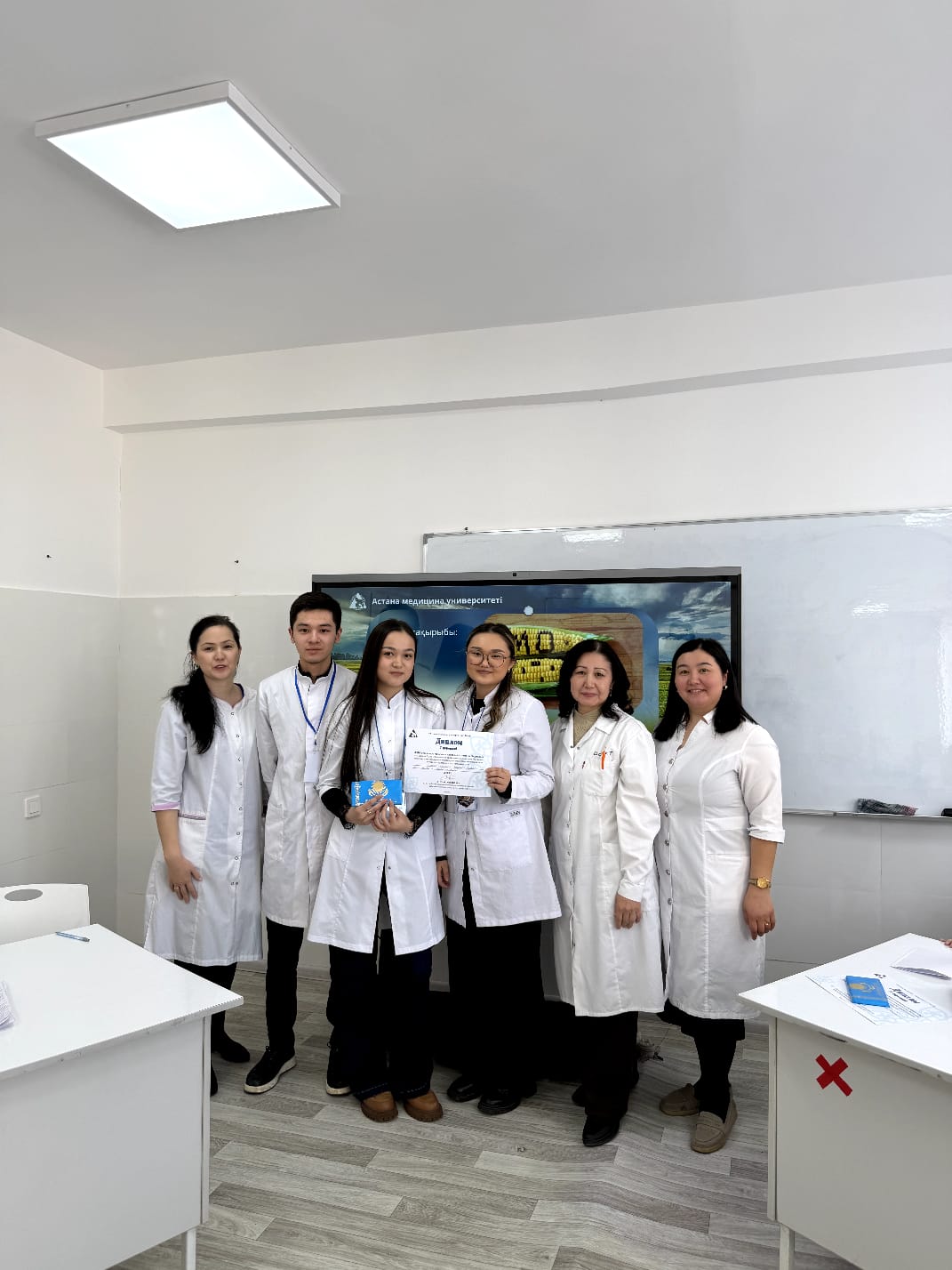
At Astana Medical University, engaging and insightful student debates were held on the topic “Genetically Modified Organisms (GMOs) and Society: A Scientific Perspective and Public Discussion.” The intellectual event took place on February 26 at the Department of Microbiology and Virology named after Sh.I. Sarbasova and was organized as part of the university’s implementation of the Sustainable Development Goals (SDGs).
One of the most widely discussed issues in modern science - the impact of genetically modified organisms on human health, the environment, and society - became the central focus of the debate. Second-year students fr om the educational programs “Medico-preventive care” and “Public Health and Management” presented scientific arguments, exchanged views, and sought to find a balance between scientific progress and public expectations.
The debates were conducted in three stages and evolved into a genuine research activity. First, participants carried out a public survey to assess societal attitudes toward GMOs. Based on the collected data, students then prepared presentations and scientific reports. The final stage featured an active discussion, wh ere participants defended their positions, analyzed evidence, and explored different scenarios regarding the potential impact of GMOs on the future of humanity.
The event also aimed to promote the United Nations Sustainable Development Goals, particularly “Good Health and Well-Being,” “Quality Education,” and “Responsible Consumption and Production.”
The event was organized by Senior Lecturers of the Department, Master’s degree holders Madina Botbayeva and Nazgul Sutimbekova. The participants’ work was evaluated by an expert committee consisting of candidates of medical sciences and university faculty members.
According to the results of the intellectual competition, the “GENIOS” team won first place, the “BIOBALANS” team received the second-place diploma, while the teams “SANA QUEENS” and “HIPPOCRATES” were awarded third-place diplomas.
The student debates became more than just a competition of ideas; they served as a platform for developing scientific thinking, fostering a culture of evidence-based dialogue, and searching for solutions to the pressing challenges of modern society. It is through such discussions that a new generation of specialists is formed - professionals ready to address complex questions at the intersection of science and society.