School of Medicine

School of Medicine
Educational Program: 6B10123 – Medicine
Level of Education: Bachelor’s Degree
Field of Study: 6B101 – Healthcare
Languages of Instruction: Russian, Kazakh, English
Duration of Study: 6 years

Relevance of the Program:

·        Compliance with State Requirements and Professional Standards:
The program is developed in accordance with the State Mandatory Education Standards, the National Qualifications Framework, and professional standards. Final certification and the scope of training meet state requirements. The program is regularly updated in line with changes in regulatory frameworks and stakeholder recommendations.

·        Orientation to Labor Market Needs:
The program is designed taking into account the needs of the regional labor market and with the participation of employers. Representatives of practical healthcare are involved in the development and management of the educational program. The program has positive reviews from employers.

·        Modern Educational Approaches:
Innovative educational technologies are used, including PBL, CBL, the “Standardized Patient” method, gamification, and design thinking. TPCBL and case-based methods are implemented in modules. Digital resources are actively used: e-university, smart-amu, and online platforms. Faculty professional development is continuously enhanced through seminars and master classes, including those with international experts.

·        High Demand for the Program:
The total number of students enrolled in this educational program is 3,252.

          Conclusion: The program is in high demand, competitive, and aligned with    modern requirements of the healthcare system.

Graduate Profile

A graduate of the program is a competent entry-level general practitioner ready to work in the healthcare system, prepared for internship and further professional development, adaptable to changes in medicine, patient-centered, and committed to the quality and safety of medical care.

Target Audience of the Program

Primary target audience:
Graduates of secondary schools (11th grade);
Graduates of medical and non-medical colleges;
Applicants seeking to obtain a medical doctor qualification.

Characteristics of prospective students:

  • Age: Main category – 17–19 years old (school graduates); older applicants (college graduates) are also possible.
  • Academic background: Biology–Chemistry track; medical colleges; applicants with high academic performance (considering the high passing score).
  • Motivation: Prestige of the medical profession; social significance of the profession; opportunities for further specialization (internship, residency); prospects for scientific and research activities.

Competitive Advantages of the Educational Program

What distinguishes the program:

  • An integrated model of medical education (integration of fundamental and clinical disciplines from the early years of study).
  • Strong connection with practical healthcare and clinical bases.
  • High competition and passing scores confirming the program’s demand.
  • An internal quality assurance system involving students and employers.

Unique features of the content:

  • Modular and competency-based learning format;
  • Emphasis on evidence-based medicine and clinical reasoning;
  • Inclusion of elective disciplines and individual learning trajectories;
  • Development of research skills from the early stages of study.

Involvement of international faculty and employers:

  • Master classes and seminars with international experts;
  • Academic mobility of students and faculty;
  • Involvement of employers in program development and review;
  • Participation of practicing physicians in the educational process.

Use of innovative technologies:

  • PBL, CBL, TPCBL, and case-based learning methods;
  • “Standardized Patient” method;
  • Gamification and elements of design thinking;
  • Digital educational environment (e-university, LMS, electronic resources).

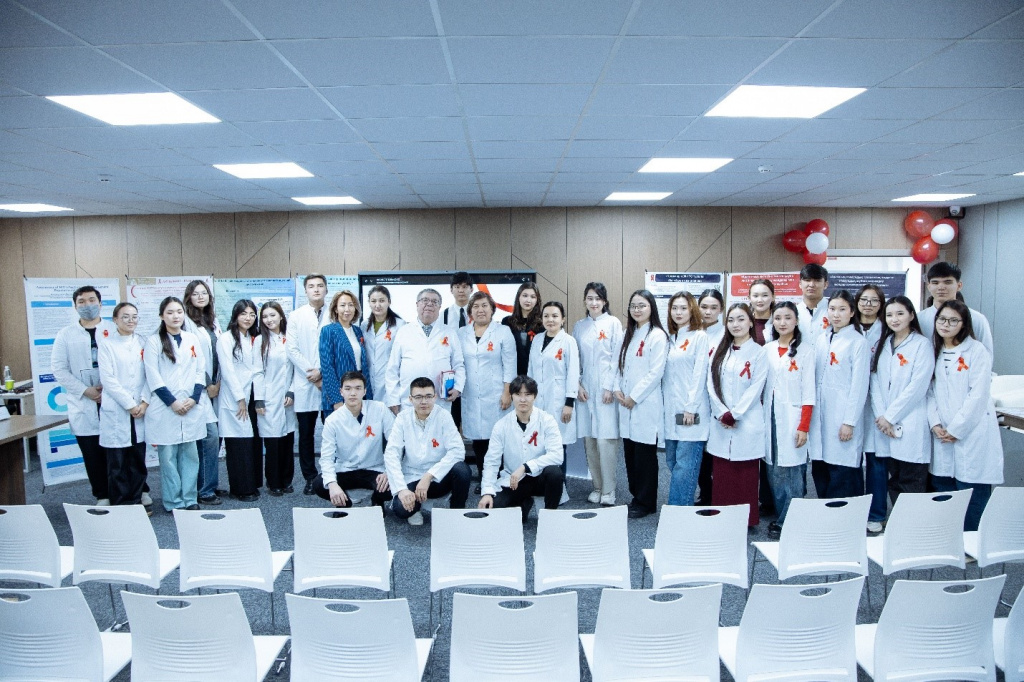
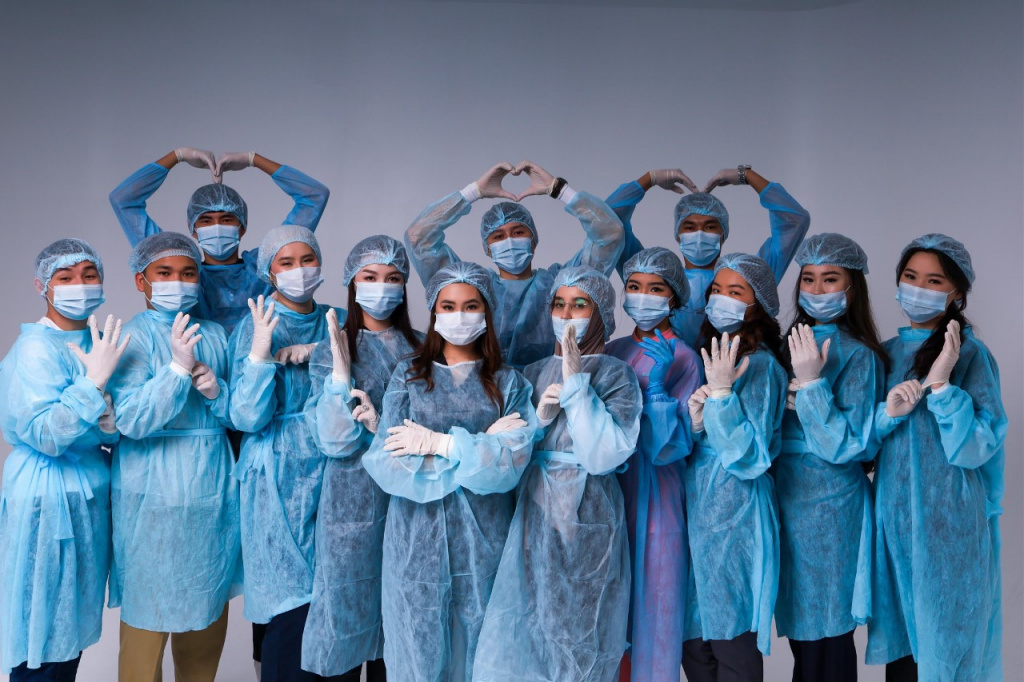
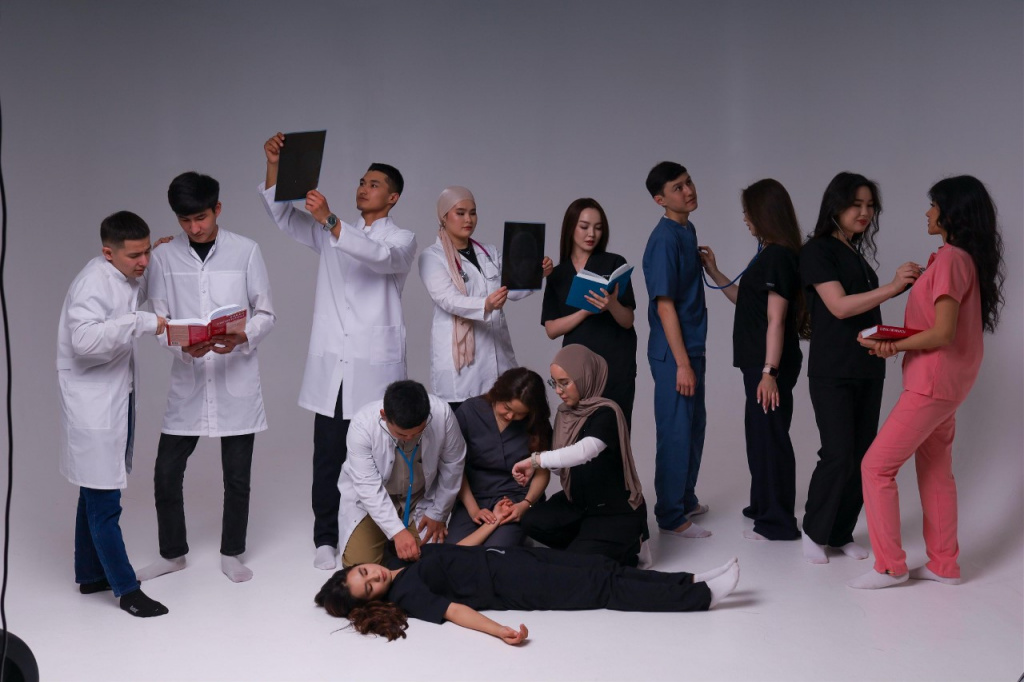
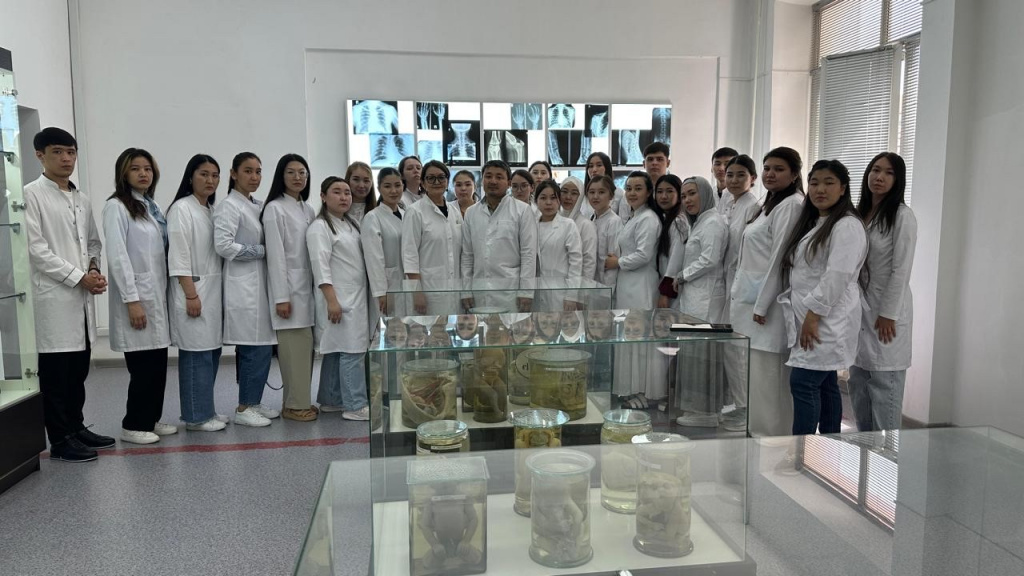
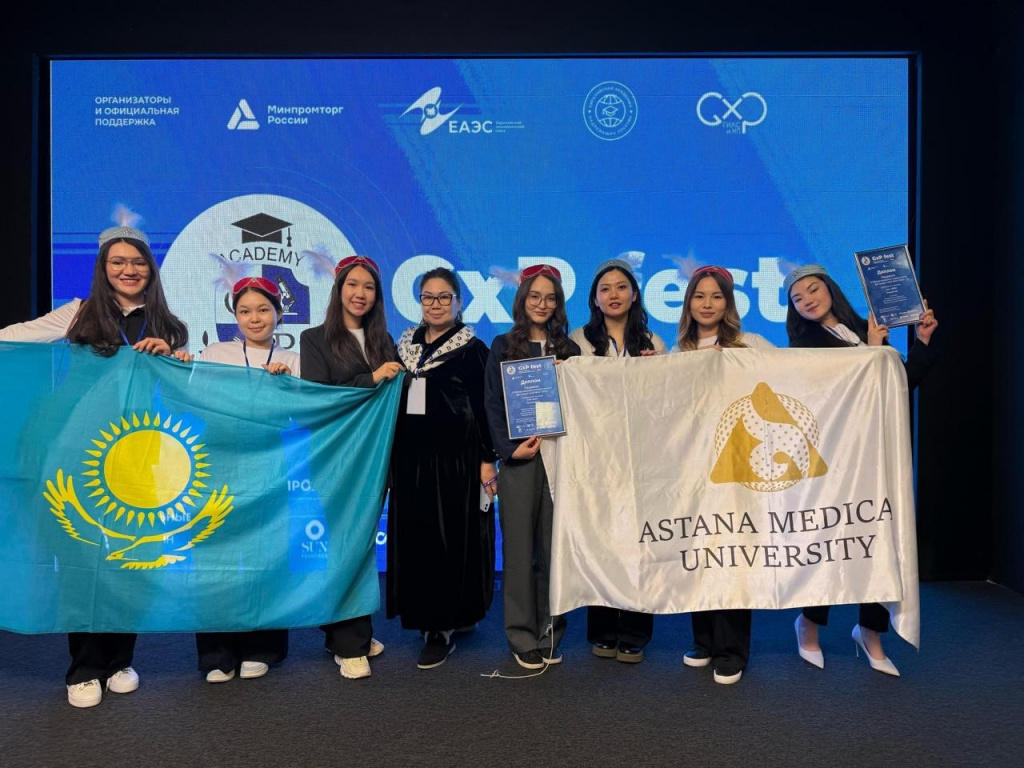
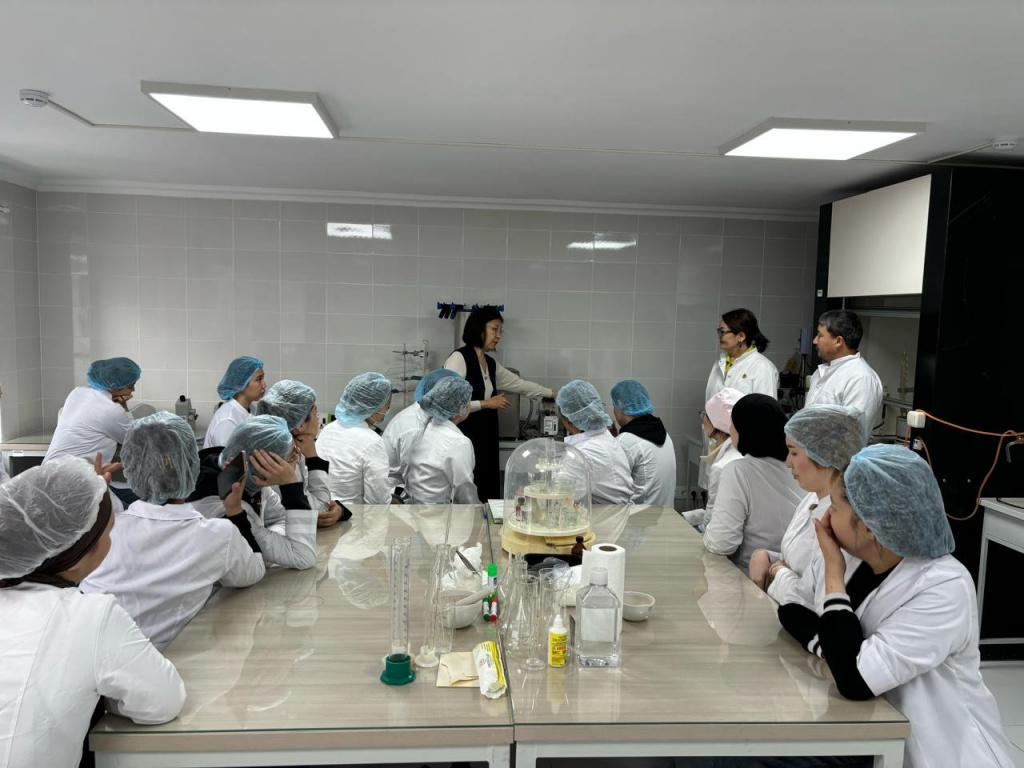
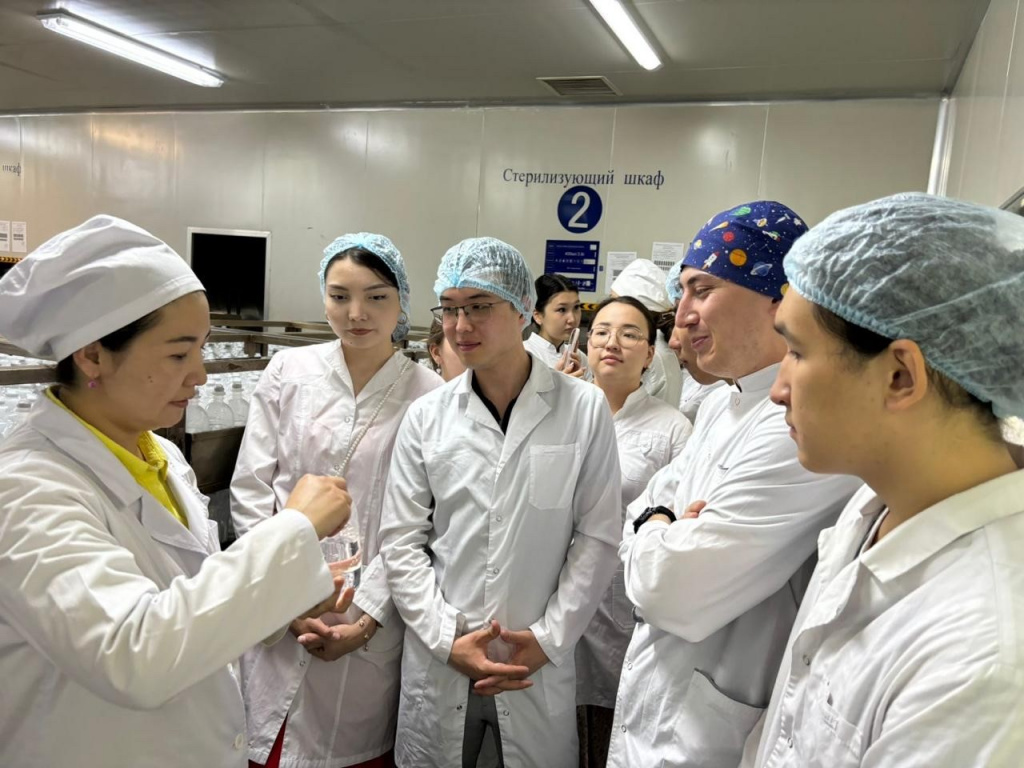
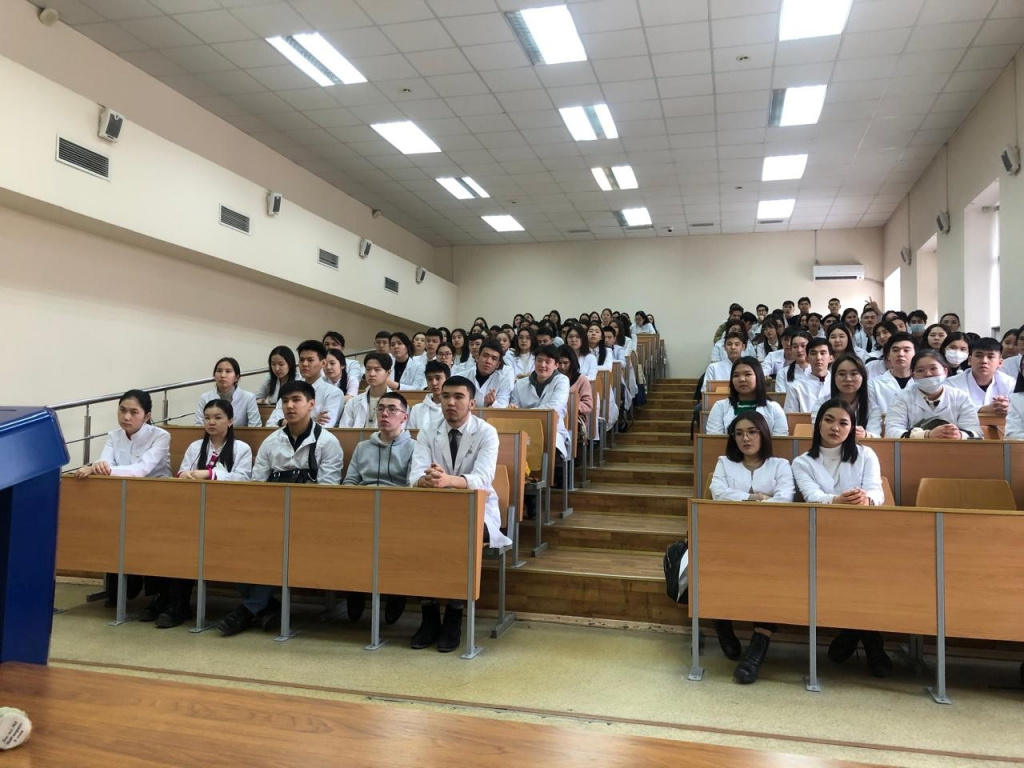
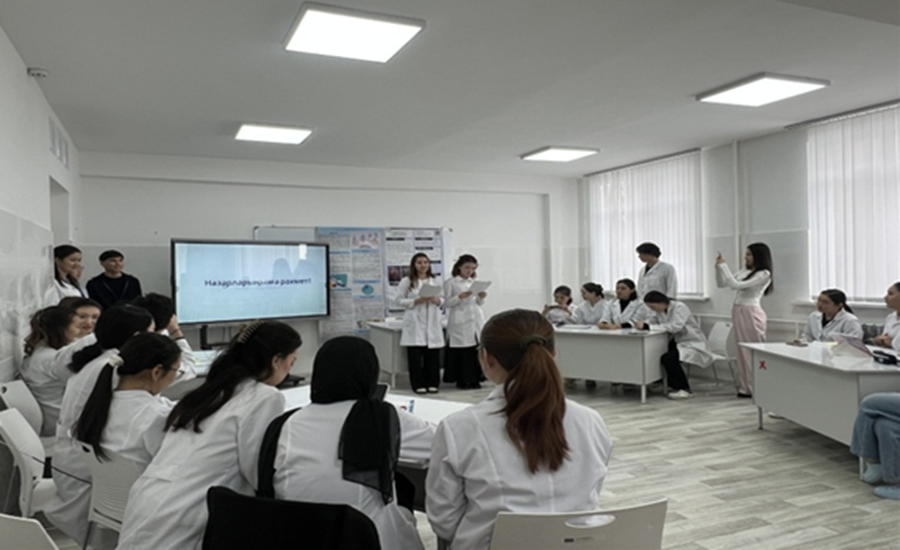
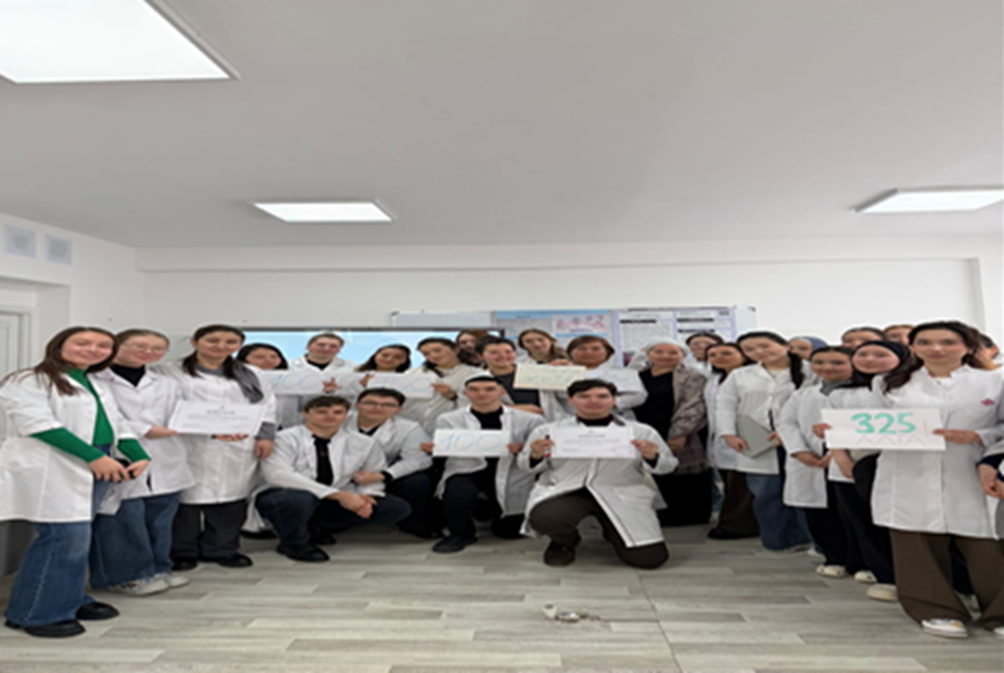
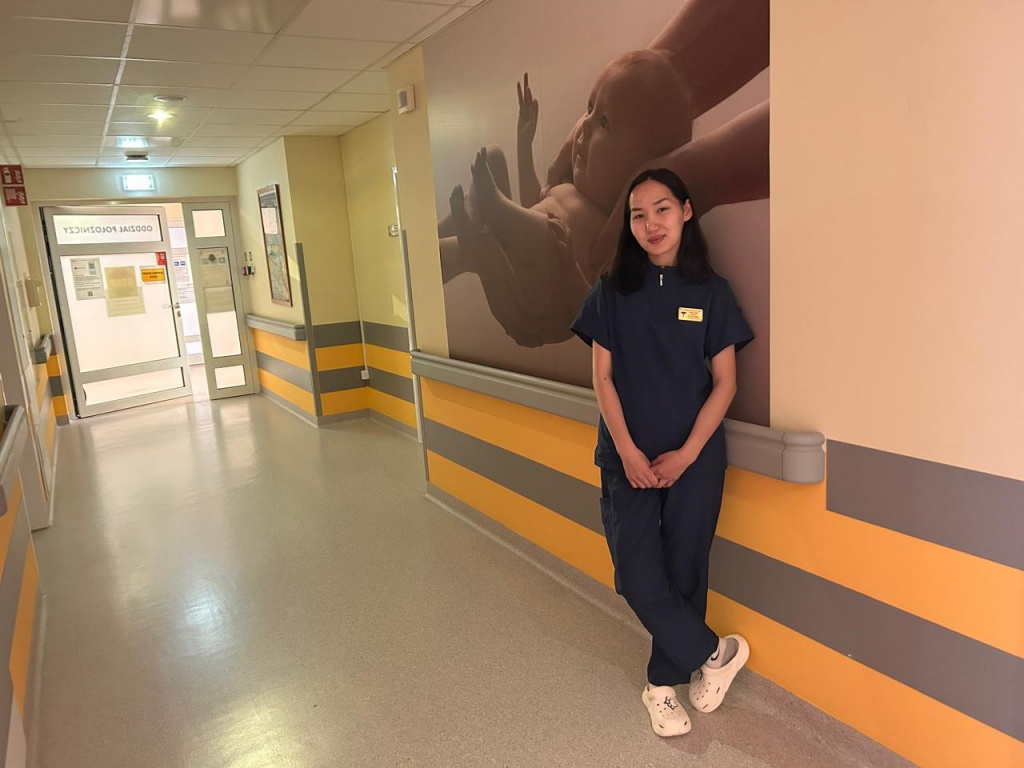
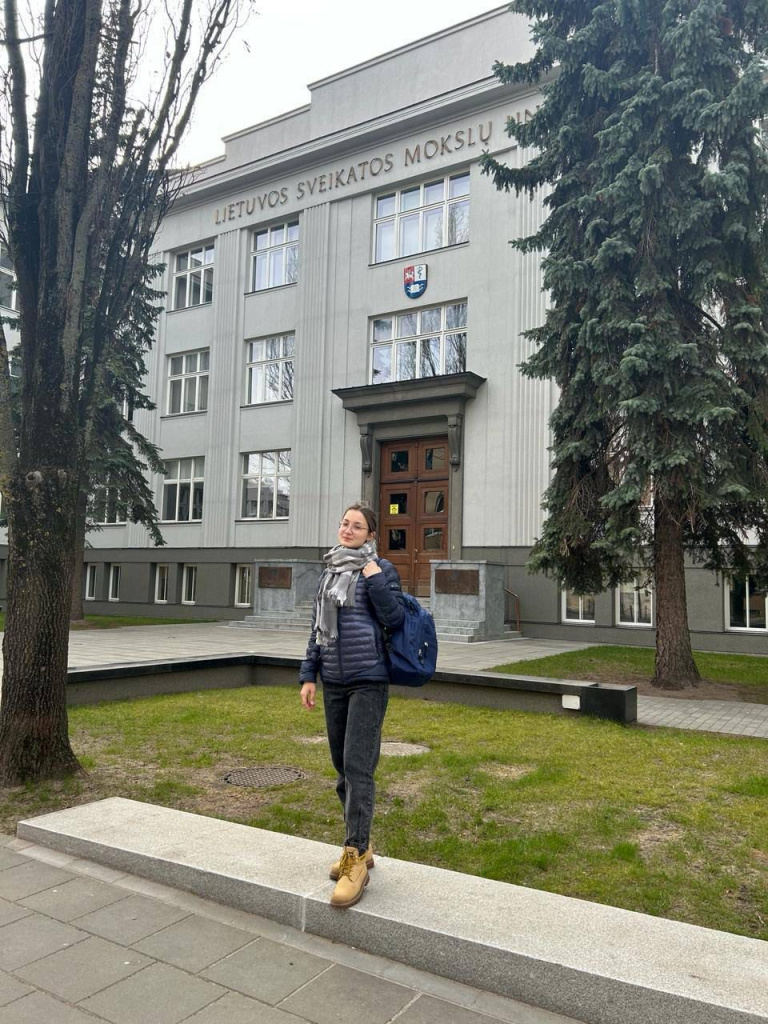
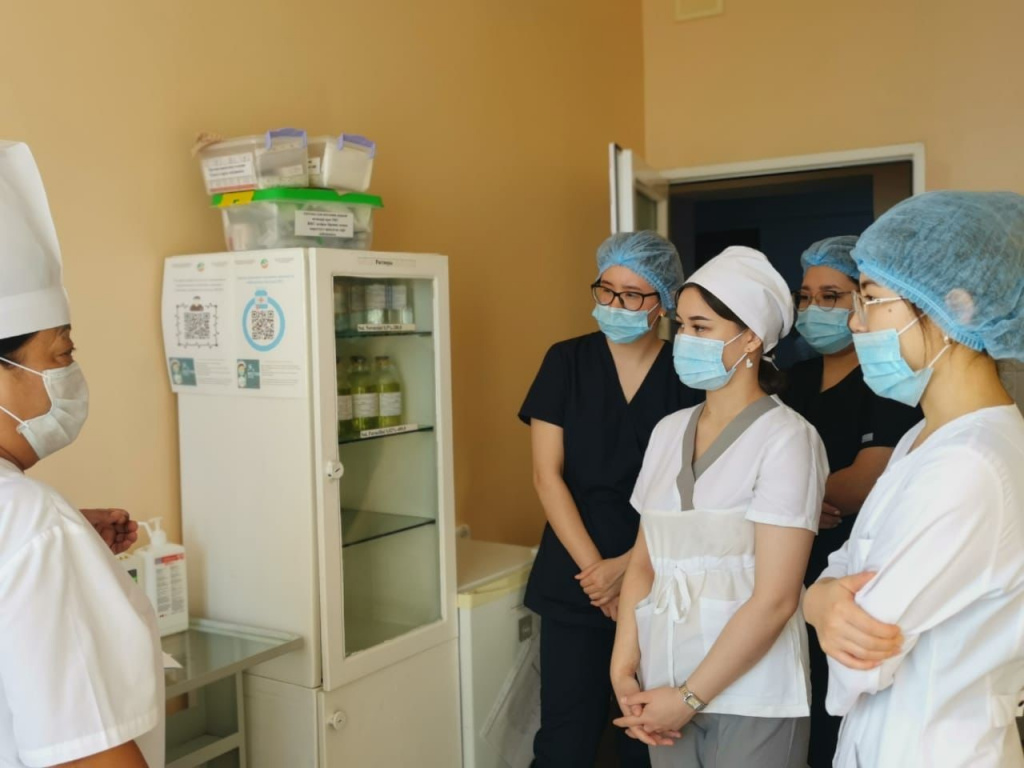
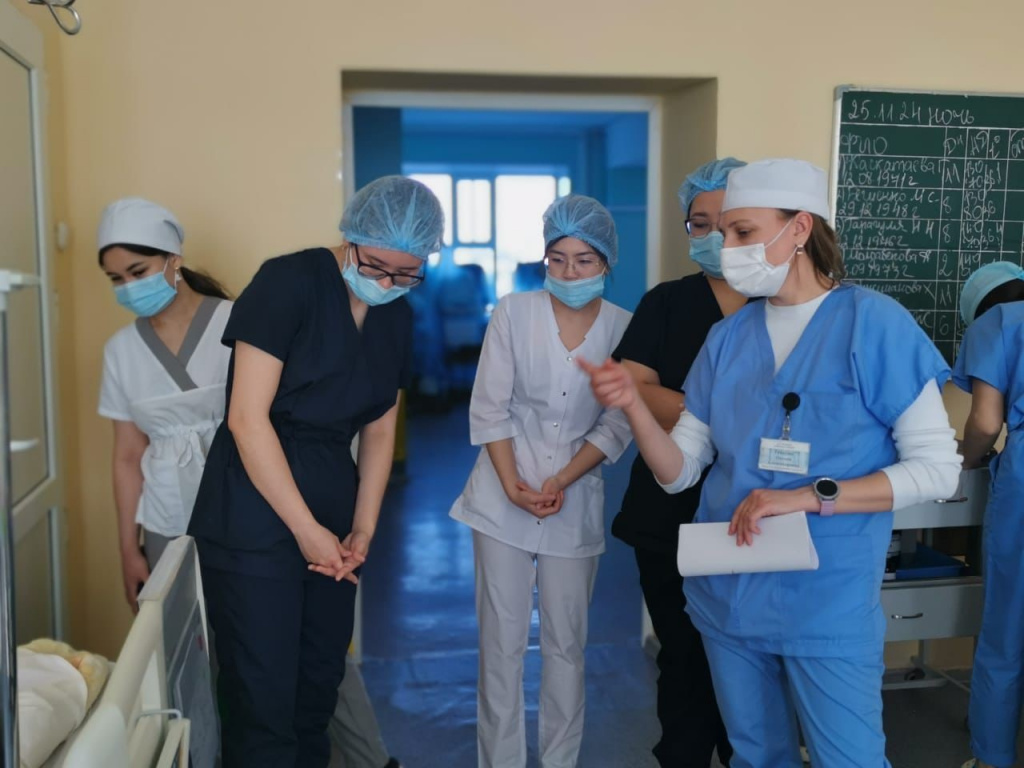
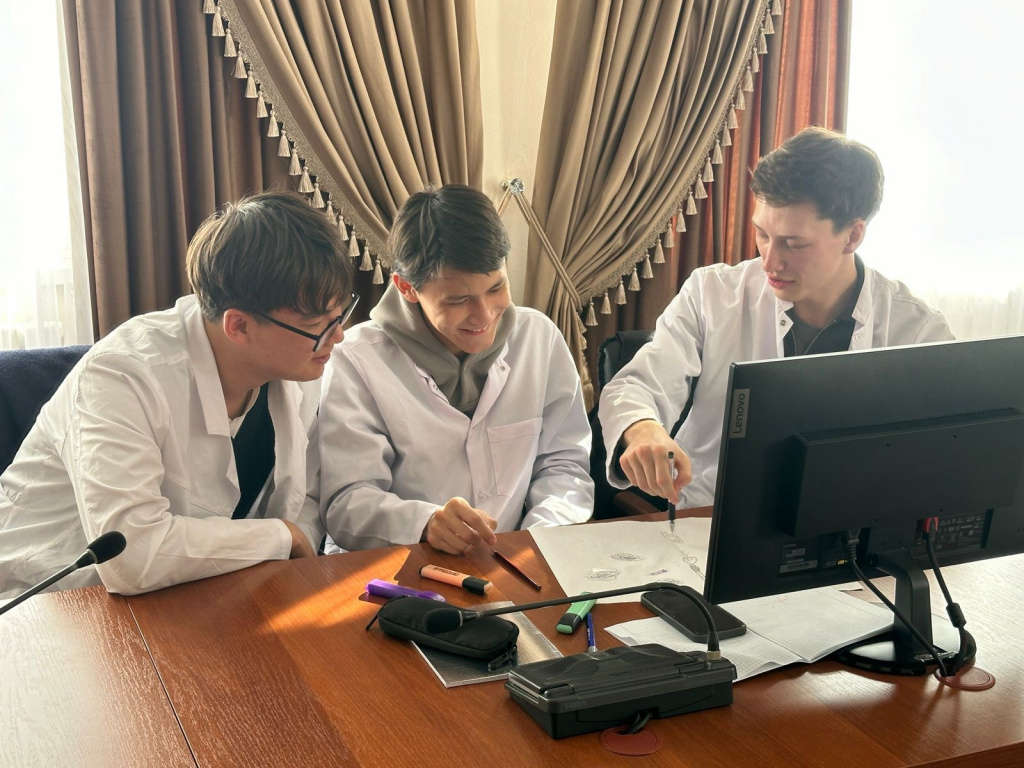
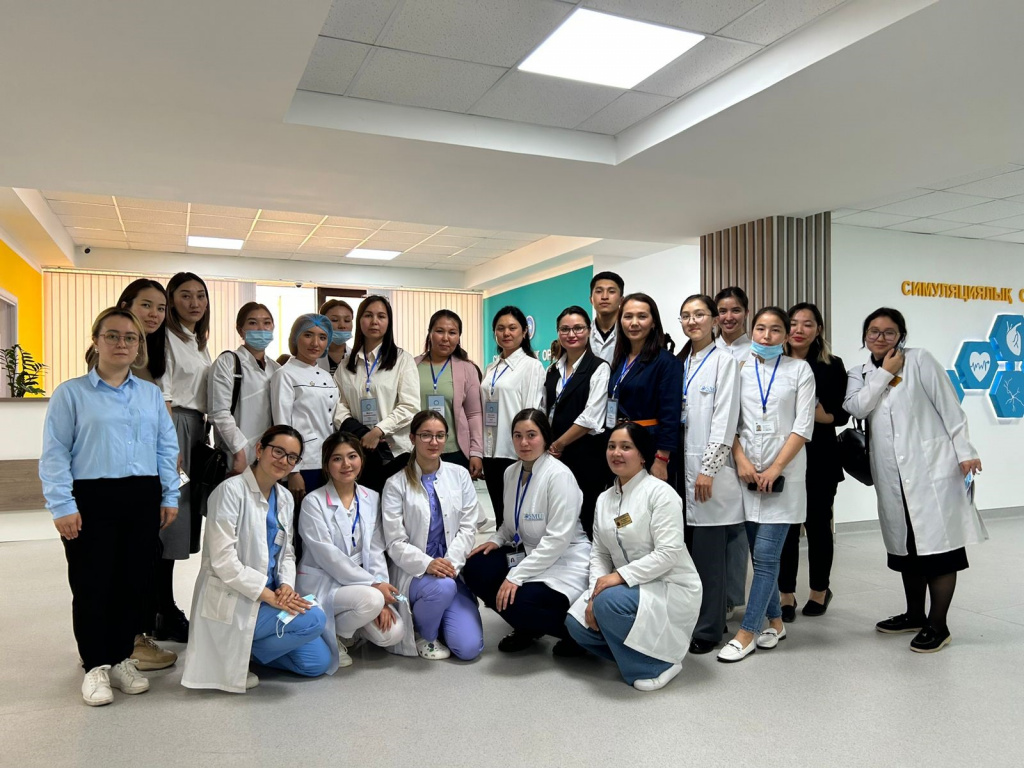
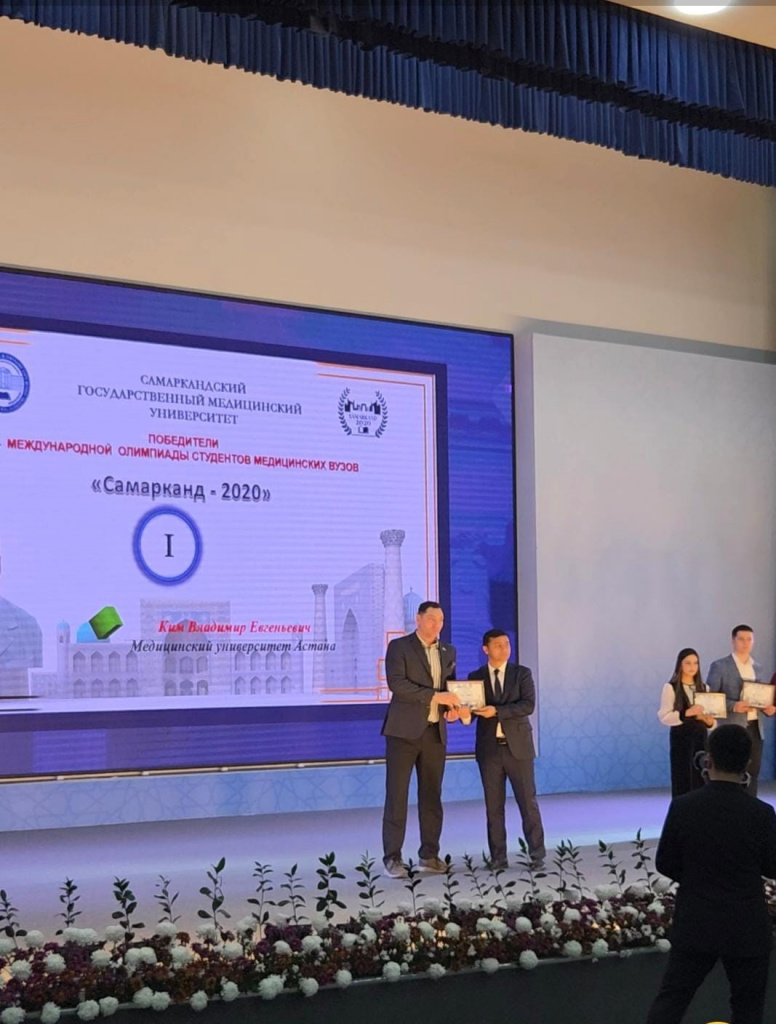
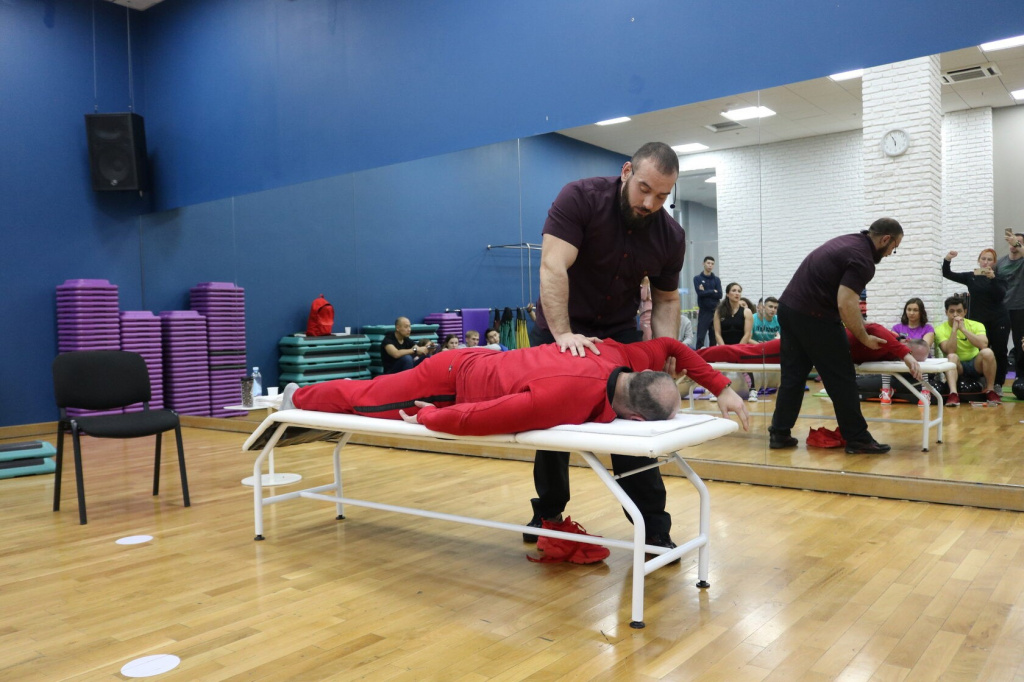
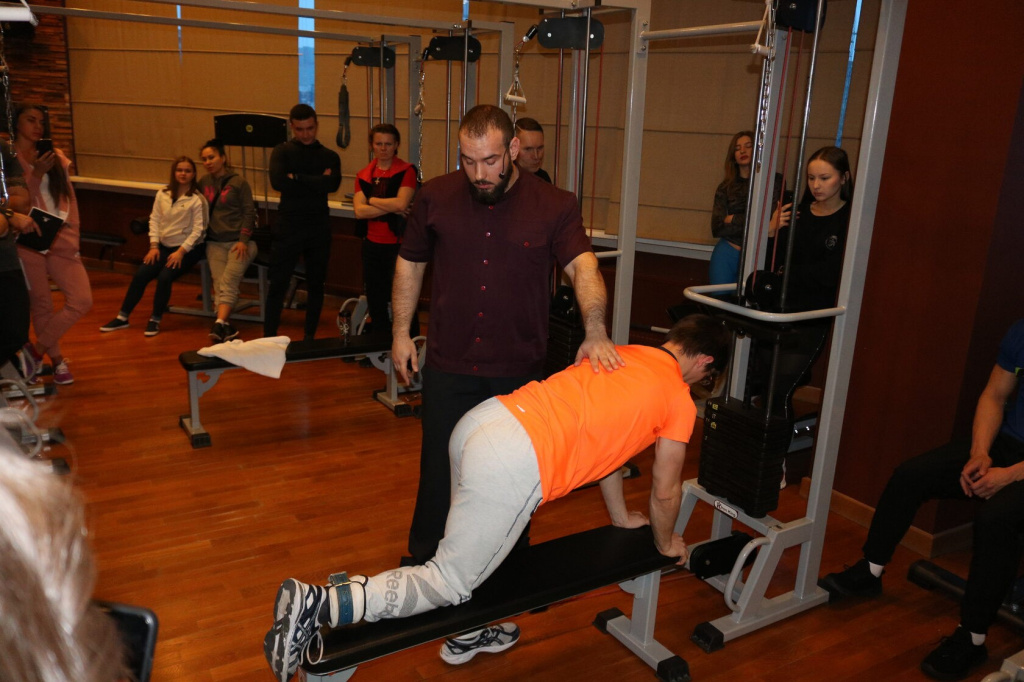
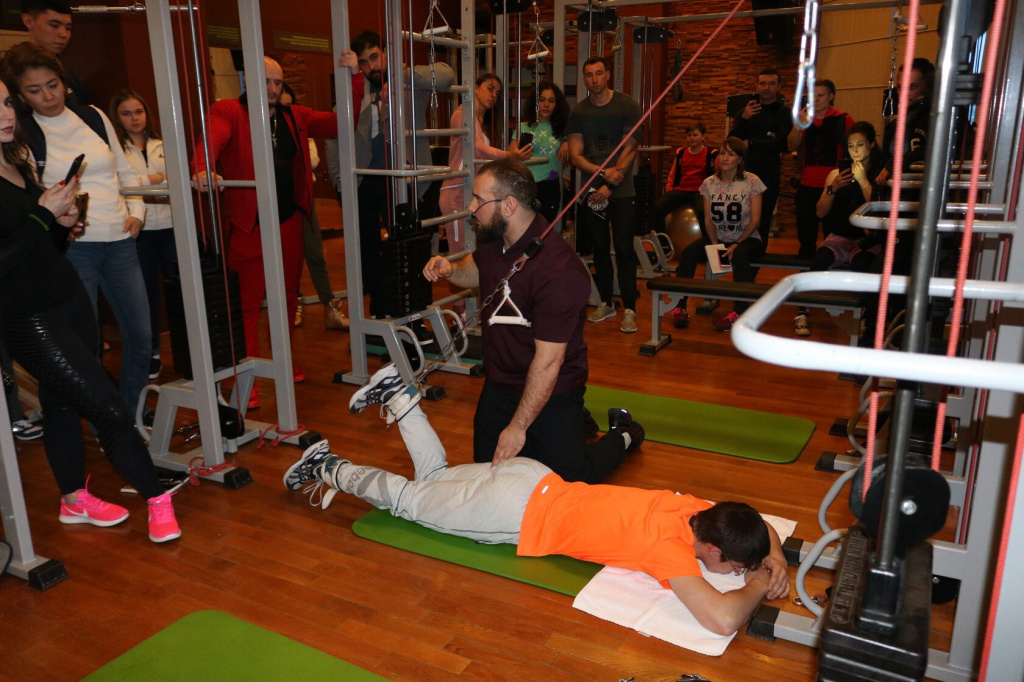
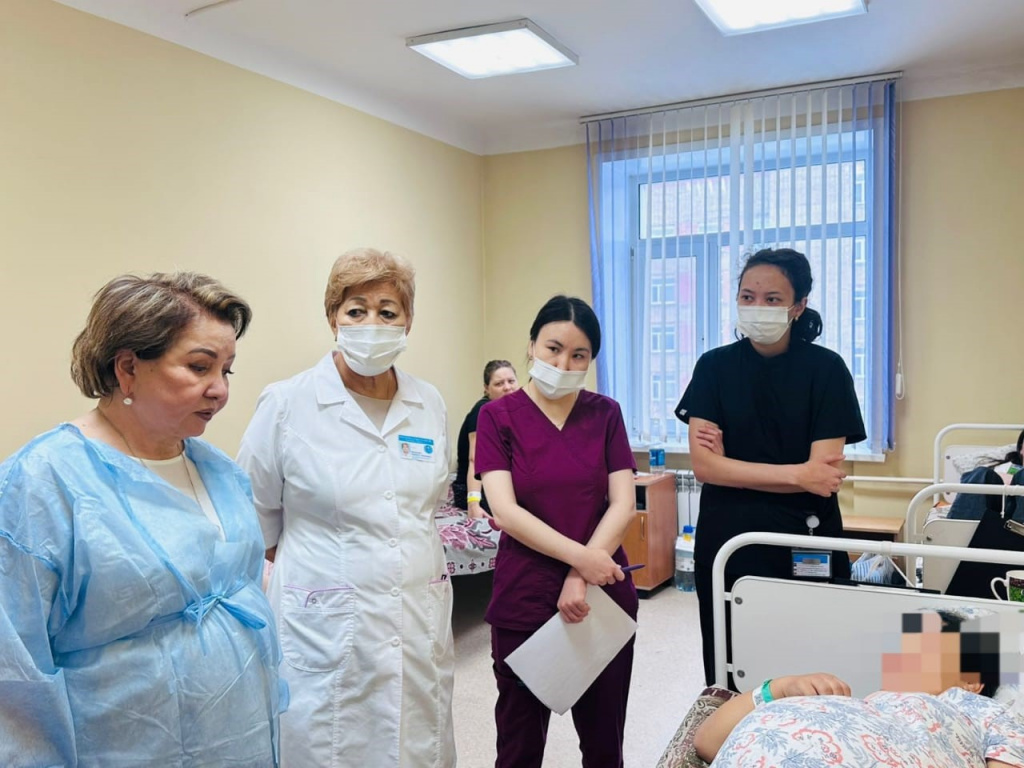
Photos of students (in classes, at events, etc.)
1.jpg   2.jpg   

3.jpg

Школа общественного здоровья и менеджмента

Образовательная программа: 6B10126 «Медико-профилактическое дело»

Уровень образования: интегрированная образовательная программа с присвоением степени магистр здравоохранения

Направление подготовки: 6B101 «Здравоохранение»

Язык обучения: казахский, русский

Сроки обучения:

·     5 лет – полный цикл подготовки;

·     4 года – на базе технического и профессионального образования (ТиПО)

Актуальность программы

Актуальность образовательной программы обусловлена возрастающей потребностью общества в специалистах, способных обеспечивать санитарно-эпидемиологическое благополучие населения, предупреждать распространение инфекционных и неинфекционных заболеваний, а также контролировать влияние факторов окружающей среды на здоровье человека.

В условиях современных эпидемиологических угроз, глобализации инфекционных заболеваний, экологических изменений и роста факторов риска для здоровья населения особое значение приобретает подготовка специалистов, владеющих современными методами санитарно-эпидемиологического надзора, эпидемиологического анализа, гигиенической оценки факторов окружающей среды и разработки профилактических мероприятий.

Образовательная программа направлена на подготовку специалистов профилактической медицины, способных осуществлять санитарно-эпидемиологический контроль, проводить научно-аналитическую деятельность и участвовать в обеспечении санитарно-эпидемиологической безопасности населения.

ПОРТРЕТ ВЫПУСКНИКА

Выпускник образовательной программы «Медико-профилактическое дело», завершивший интегрированную подготовку с присвоением степени магистр здравоохранения, является специалистом в области профилактической медицины и санитарно-эпидемиологического благополучия населения.

Выпускник:

1.   Является специалистом в области контроля и надзора за санитарно-эпидемиологическим благополучием населения;

2.   Владеет методами эпидемиологического анализа, оценки факторов риска и санитарно-гигиенической оценки факторов окружающей среды;

3.   Осуществляет санитарно-гигиенический и эпидемиологический мониторинг состояния окружающей среды и здоровья населения;

4.   Разрабатывает и реализует профилактические и противоэпидемические мероприятия по предупреждению инфекционных и неинфекционных заболеваний;

5.   Проводит анализ и оценку состояния общественного здоровья населения;

6.   Применяет лабораторные, статистические, цифровые и информационные технологии в профессиональной деятельности;

7.   Участвует в организации и проведении санитарно-эпидемиологических исследований;

8.   Осуществляет санитарно-просветительскую деятельность и формирование здорового образа жизни населения;

9.   Готов к научно-исследовательской, аналитической и экспертной деятельности в области профилактической медицины и общественного здравоохранения.

ЦЕЛЕВАЯ АУДИТОРИЯ ПРОГРАММЫ

Абитуриенты лица, имеющие среднее образование, а также техническое и профессиональное или послесреднее образование (на базе ТиПО), поступающие для получения высшего образования по направлению подготовки «Здравоохранение».

Характеристика потенциальных обучающихся


Потенциальные обучающиеся — лица, заинтересованные в получении высшего образования в сфере здравоохранения и профилактической медицины, ориентированные на профессиональную деятельность в области санитарно-эпидемиологического благополучия населения, профилактики заболеваний и охраны общественного здоровья. Как правило, это выпускники общеобразовательных школ, медицинских колледжей и организаций технического и профессионального образования, обладающие базовыми знаниями в области естественных наук и мотивированные на развитие профессиональных компетенций в сфере гигиены, эпидемиологии, профилактики заболеваний и санитарно-эпидемиологического контроля.

Профиль подготовки:

1.   Выпускники общеобразовательных школ;

2.   Выпускники медицинских колледжей и организаций технического и профессионального образования (ТиПО);

3.   Лица, заинтересованные в получении образования в области профилактической медицины, эпидемиологии и общественного здравоохранения.

Мотивация обучающихся

-     получение профессии в сфере санитарно-эпидемиологического контроля и профилактической медицины;

-     участие в обеспечении санитарно-эпидемиологической безопасности населения;

-     развитие профессиональных компетенций в области гигиены, эпидемиологии и профилактики заболеваний;

-     профессиональная реализация в системе здравоохранения, санитарно-эпидемиологического контроля и научных организациях.

КОНКУРЕНТНЫЕ ПРЕИМУЩЕСТВА ОП

-         Актуальность программы, ориентированной на обеспечение санитарно-эпидемиологического благополучия населения и профилактику заболеваний.

-         Интегрированная подготовка специалистов профилактической медицины с присвоением степени магистр здравоохранения.

-         Практико-ориентированная подготовка, включающая участие студентов в санитарно-эпидемиологических исследованиях, лабораторных анализах и профилактических мероприятиях.

-         Использование современных лабораторных, информационных и аналитических технологий в сфере гигиены, эпидемиологии и общественного здравоохранения.

-         Подготовка специалистов для системы санитарно-эпидемиологического контроля, центров общественного здоровья и организаций здравоохранения.

-         Возможность участия студентов в научно-исследовательских проектах, эпидемиологических исследованиях и программах профилактики заболеваний.

-         Высокая востребованность выпускников в органах санитарно-эпидемиологического контроля, медицинских организациях, лабораториях, научных учреждениях и структурах общественного здравоохранения.


1.jpg   2.jpg  


3.jpg


School of Pharmacy

Educational program: 6В10104 - Pharmacy

Level of Education: Bachelor’s Degree

Direction of training: 6В101 Healthcare

Language of instruction: Russian, Kazakh, English

Duration of Study: 5 years


Relevance of the Program:

· Compliance with government requirements and professional standards:

the program has been developed in accordance with the SOE, the National Qualifications Framework and professional standards in the field of pharmaceutical activities; the structure and content of educational program comply with the requirements of good pharmaceutical practices (GxP: GPP, GDP, GMP, GSP); regular updating is carried out taking into account changes in the regulatory framework and the needs of the industry.

· Focus on labour market needs:

the program is formed taking into account the needs of the pharmaceutical market and the health care system; employers (pharmacy chains, pharmaceutical companies, distributors, manufacturing enterprises) participate in the development; provides for the passage of practices at specialized bases.

· Modern educational approaches:

use of innovative training methods: PBL, CBL, TBL, case methods, simulation technologies; implementation of elements of clinical pharmacy and pharmaceutical consulting; digital skills development (e-university, LMS, smart-amu, pharmaceutical information systems); professional development of teaching staff, including international internships and master classes.

· High demand for the program:

the program is in demand among applicants and employers; graduates have ample employment opportunities in the pharmacy sector, pharmaceutical industry, clinical practice and regulatory authorities.

· Output:

the educational program is in demand, competitive and meets the modern requirements of the pharmaceutical industry and the healthcare system.

Graduate Profile

The graduate of the program is:

a competent specialist in the field of pharmacy, with knowledge and skills in the field of circulation of medicines and medical devices, capable of ensuring rational and safe use of medicines, carrying out pharmaceutical consulting, participating in clinical and production processes, ready for professional development (magistracy, specialization, scientific activity).

Target audience of the program

Primary target audience:

school graduates (grades 11-12); graduates of medical and non-medical colleges; entrants focused on pharmacist qualifications.

Characteristics of potential students:

• Academic level:

high level of training (competitive selection)

• Motivation:

interest in pharmaceutical activities; prestige and stability of the profession; demand in the labor market; career opportunities (pharmacy, industry, clinical pharmacy, science)

Competitive advantages of Educational program

• What distinguishes the program:

integration of basic, pharmaceutical and clinical disciplines;

focus on the practice and real sector of the pharmaceutical industry;

implementation of clinical pharmacy and pharmaceutical counseling;

high level of interaction with employers.

• Content uniqueness:

modular and competent training structure;

emphasis on evidence-based medicine and rational pharmacotherapy;

study of the full cycle of circulation of medicines (development - production - quality control - storage - sale - use);

developing research skills from early courses.


• Involvement of foreign teachers, employers:

conducting master classes with the participation of international experts;

academic mobility of students and teaching staff;

participation of representatives of the pharmaceutical industry and pharmacy chains in the educational process.

• Use of innovative technologies:

• in-depth study of GxP practices (GMP, GDP, GPP, GSP) with a practice-oriented approach;

• partnership with pharmacy chains, pharmaceutical production and distribution companies, medical organizations;

• practice-oriented cases on pharmaceutical activities;

Photos of students (in classes, at events, etc.)
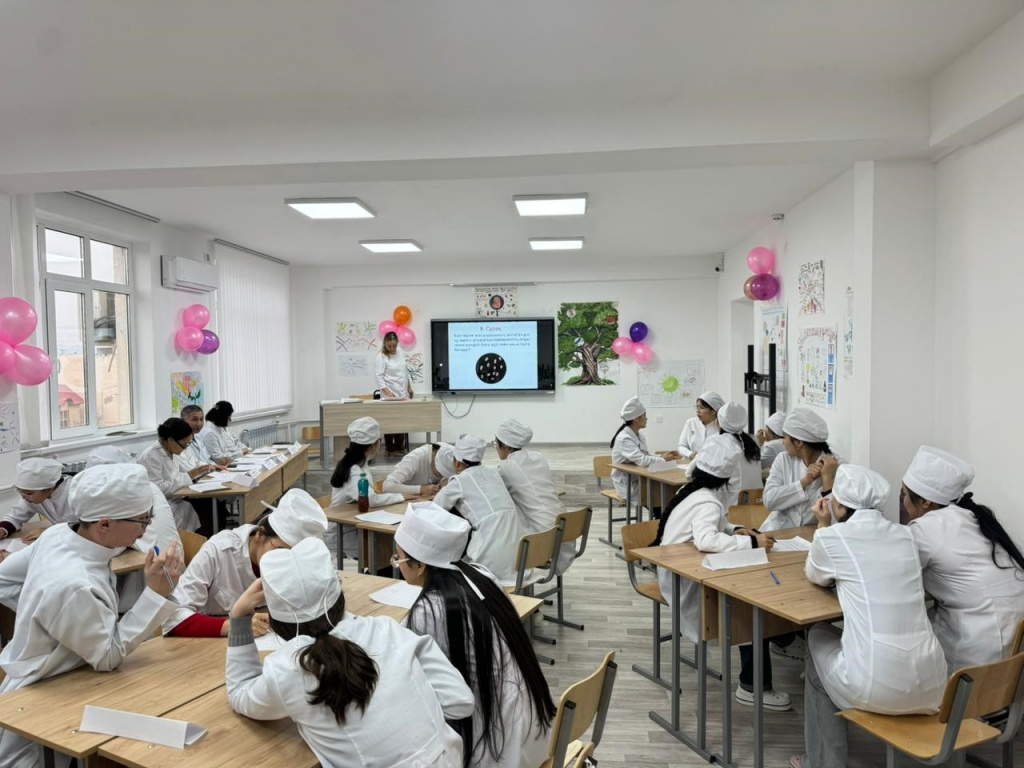
2.jpg  

1.jpg  3.jpg  

4.jpg

School of Pediatrics

Educational program: 6В10125 Pediatrics

Education level: Undergraduate

Direction of training: 6V101 Health care

Language of instruction: Russian, Kazakh, English

Training period: 6 years

Program relevance:

• The educational program has been developed in accordance with the requirements of the state compulsory standards of education (SOE), the National Framework of Qualifications and current professional standards. The scope of training of students and the forms of final certification fully comply with the established regulatory requirements. The program is regularly updated taking into account changes in the regulatory framework and recommendations of stakeholders.

• The content of the program is focused on the needs of the regional labor market and is formed taking into account the opinions of employers. Representatives of practical health care take part in the development and implementation of the educational program, which is confirmed by the presence of expert opinions and reviews.

• The educational process uses modern pedagogical technologies, including problem-oriented learning (PBL), case-oriented learning (CBL), the Standardized Patient method, elements of gamification and design thinking. TPCBL technologies and case methods are introduced into the training modules. Digital educational resources (e-university, smart-amu, online platforms) are actively used. Systematic professional development of the teaching staff is carried out, including with the involvement of foreign specialists.

Thus, the educational program is competitive, meets the modern requirements of the health care system and is focused on training demanded specialists.

GRADUATE PORTRAIT

A graduate of the program is: a competitive pediatrician with a sufficient level of knowledge and professional competence, able in modern conditions to independently and timely provide medical assistance to the children's population and be ready to solve pressing issues of modern medicine and science.

TARGET AUDIENCE OF THE PROGRAM

Main target audience: school graduates (11th grade); graduates of medical and non-medical colleges; applicants focused on obtaining a doctor's qualification.

Characteristics of potential students: age (main category: 17-19 years old (school graduates), older students (college graduates) are possible. Preparation profile: biological and chemical profile; medical colleges; applicants with a high academic level (given a high passing score). Motivation: prestige of the specialty of the doctor; the social significance of the profession; the prospect of further specialization (internship, residency); possibility of scientific and research activities.

COMPETITIVE ADVANTAGES OF ЕP

• Distinctive features of the educational program

The educational program is implemented on the basis of an integrated model of medical education, ensuring the unity of fundamental and clinical training from the early stages of training. A close relationship with practical health care and clinical bases is ensured. The high level of competitive selection and passing score confirms the demand for the program. There is a system of internal quality assurance of education with the participation of students and employers.

• Unique program content

The program is implemented in a modular and competently-oriented format. Significant attention is paid to the principles of evidence-based medicine and the formation of clinical thinking. It is envisaged to include elective disciplines and the formation of an individual educational trajectory of students. The development of research competencies at the early stages of preparation is ensured.

• International and professional interaction

As part of the program, master classes and seminars are organized with the participation of foreign specialists. Academic mobility of students and faculty is carried out. Employers are involved in the development, examination and review of the educational program. Health care practitioners are actively involved in the educational process.

• Use of innovative educational technologies

The educational process uses modern pedagogical technologies, including problem-oriented (PBL), case-oriented (CBL), team-oriented learning (TPCBL), as well as case-based methods. The Standardized Patient method, elements of gamification and design thinking are used. There is a digital educational environment, including e-university, LMS and electronic educational resources.

PHOTOS OF STUDENTS

1.jpg   2.png   3.png   

4.png

© 2022. Astana Medical University
Astana city, Beybitshilik street 49a
phone: +7 (7172) 53 94 47; +7 700 153 94 47
Яндекс.Метрика