School of Medicine
Educational Program: 6B10123 – Medicine
Level of Education: Bachelor’s Degree
Field of Study: 6B101 – Healthcare
Languages of Instruction: Russian, Kazakh, English
Duration of Study: 6 years
Relevance of the Program:
· Compliance with State Requirements and Professional Standards:
The program is developed in accordance with the State Mandatory Education Standards, the National Qualifications Framework, and professional standards. Final certification and the scope of training meet state requirements. The program is regularly updated in line with changes in regulatory frameworks and stakeholder recommendations.
· Orientation to Labor Market Needs:
The program is designed taking into account the needs of the regional labor market and with the participation of employers. Representatives of practical healthcare are involved in the development and management of the educational program. The program has positive reviews from employers.
· Modern Educational Approaches:
Innovative educational technologies are used, including PBL, CBL, the “Standardized Patient” method, gamification, and design thinking. TPCBL and case-based methods are implemented in modules. Digital resources are actively used: e-university, smart-amu, and online platforms. Faculty professional development is continuously enhanced through seminars and master classes, including those with international experts.
· High Demand for the Program:
The total number of students enrolled in this educational program is 3,252.
Conclusion: The program is in high demand, competitive, and aligned with modern requirements of the healthcare system.
Graduate Profile
A graduate of the program is a competent entry-level general practitioner ready to work in the healthcare system, prepared for internship and further professional development, adaptable to changes in medicine, patient-centered, and committed to the quality and safety of medical care.
Target Audience of the Program
Primary target audience:
Graduates of secondary schools (11th grade);
Graduates of medical and non-medical colleges;
Applicants seeking to obtain a medical doctor qualification.
Characteristics of prospective students:
- Age: Main category – 17–19 years old (school graduates); older applicants (college graduates) are also possible.
- Academic background: Biology–Chemistry track; medical colleges; applicants with high academic performance (considering the high passing score).
- Motivation: Prestige of the medical profession; social significance of the profession; opportunities for further specialization (internship, residency); prospects for scientific and research activities.
Competitive Advantages of the Educational Program
What distinguishes the program:
- An integrated model of medical education (integration of fundamental and clinical disciplines from the early years of study).
- Strong connection with practical healthcare and clinical bases.
- High competition and passing scores confirming the program’s demand.
- An internal quality assurance system involving students and employers.
Unique features of the content:
- Modular and competency-based learning format;
- Emphasis on evidence-based medicine and clinical reasoning;
- Inclusion of elective disciplines and individual learning trajectories;
- Development of research skills from the early stages of study.
Involvement of international faculty and employers:
- Master classes and seminars with international experts;
- Academic mobility of students and faculty;
- Involvement of employers in program development and review;
- Participation of practicing physicians in the educational process.
Use of innovative technologies:
- PBL, CBL, TPCBL, and case-based learning methods;
- “Standardized Patient” method;
- Gamification and elements of design thinking;
- Digital educational environment (e-university, LMS, electronic resources).
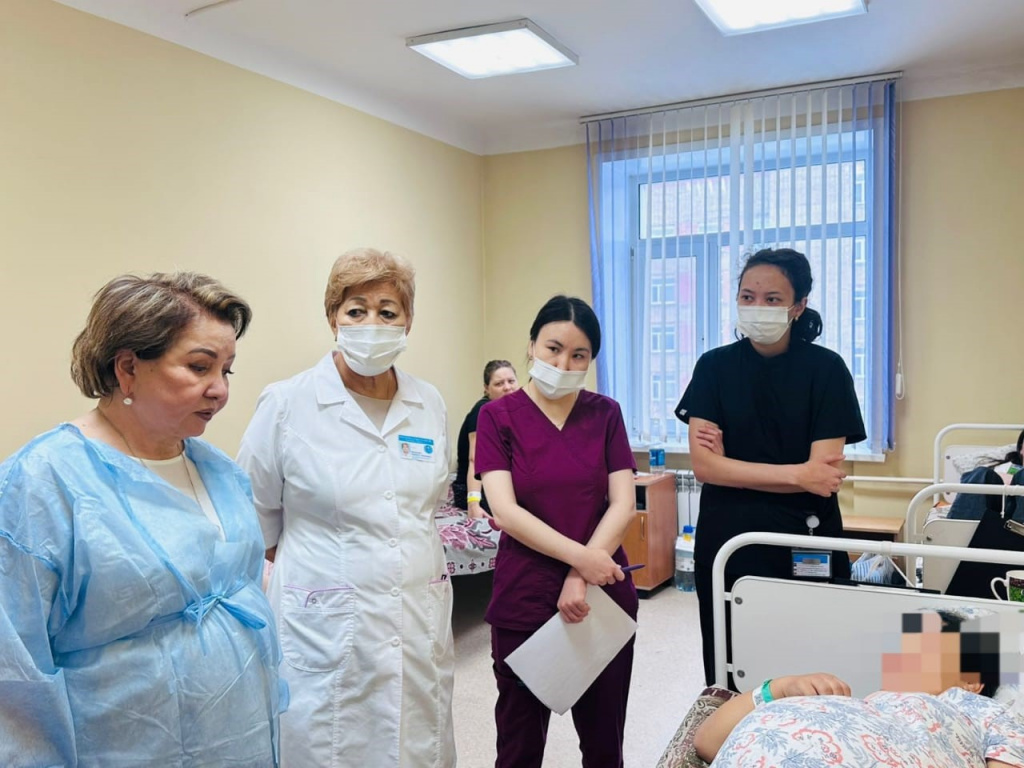
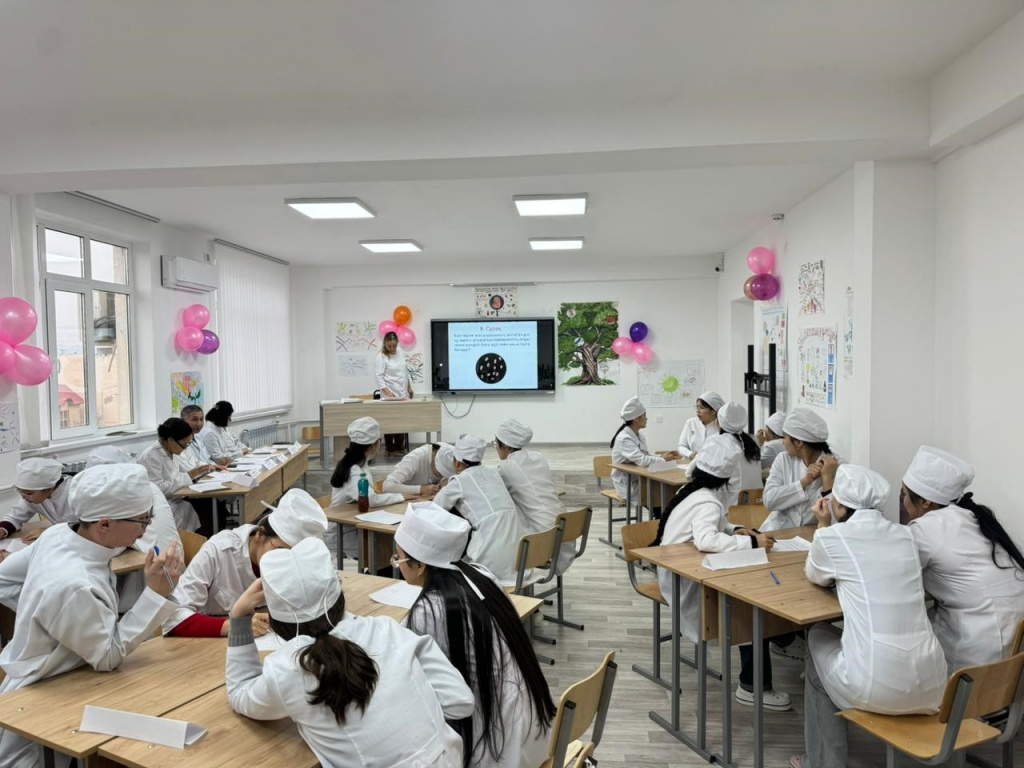
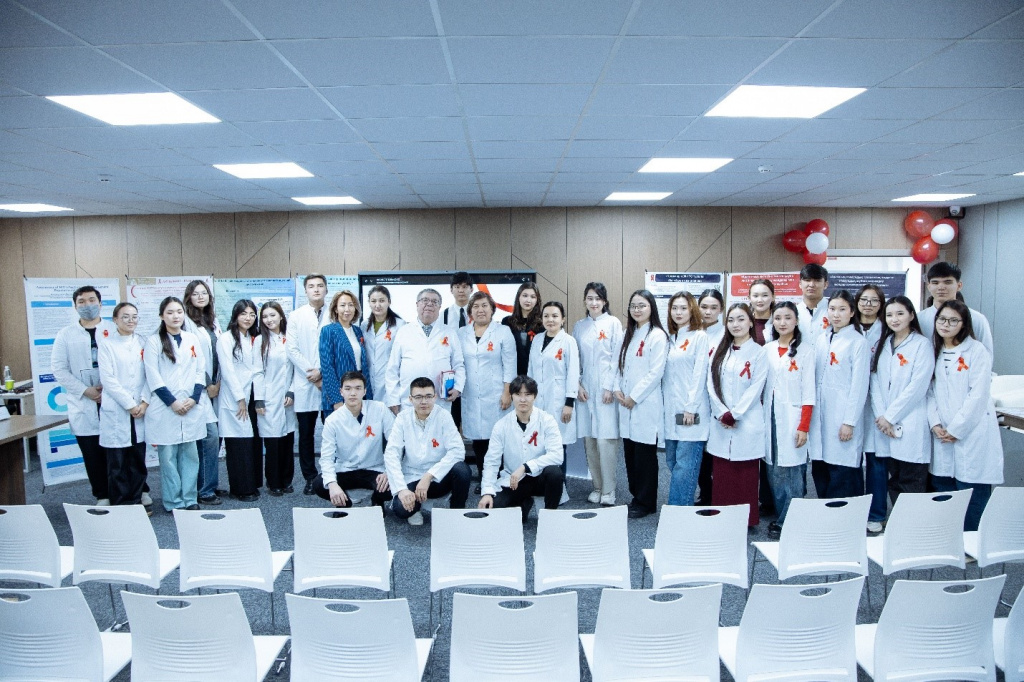
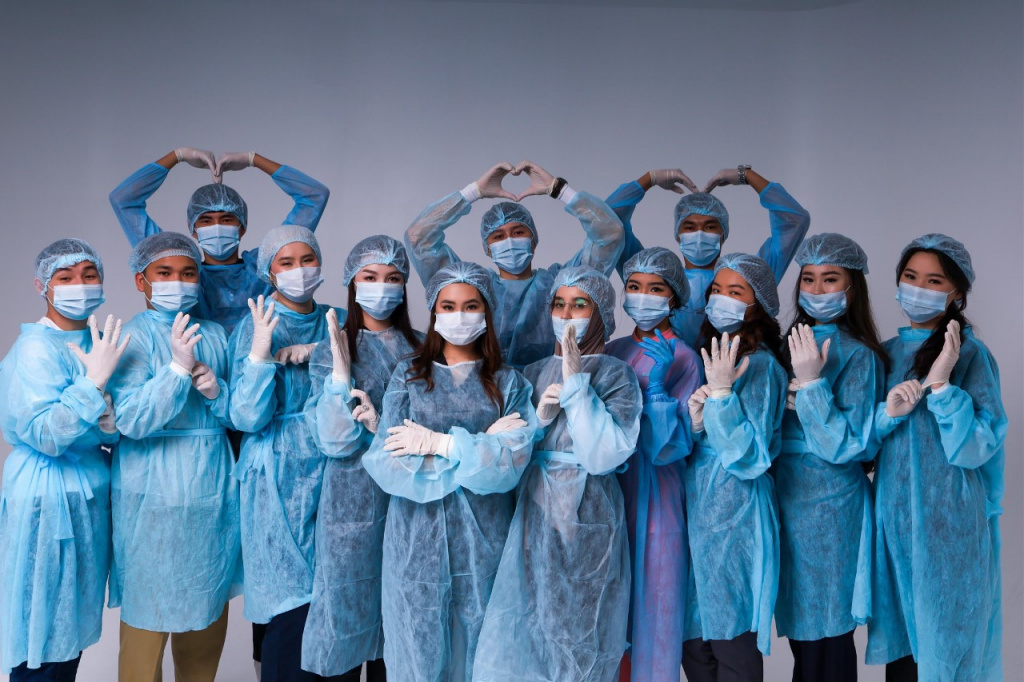
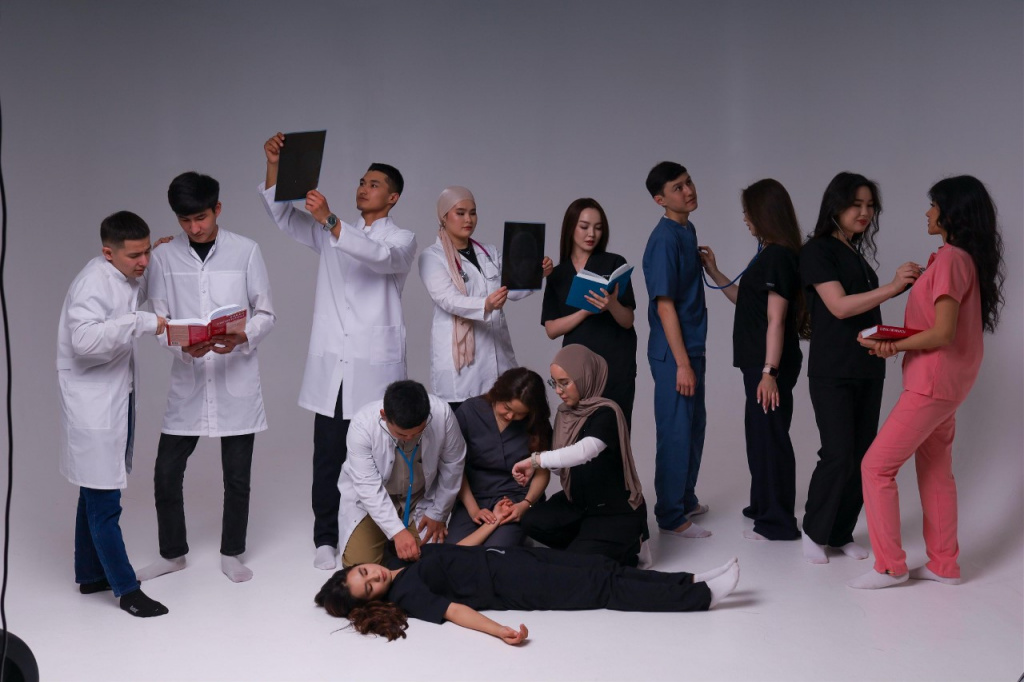
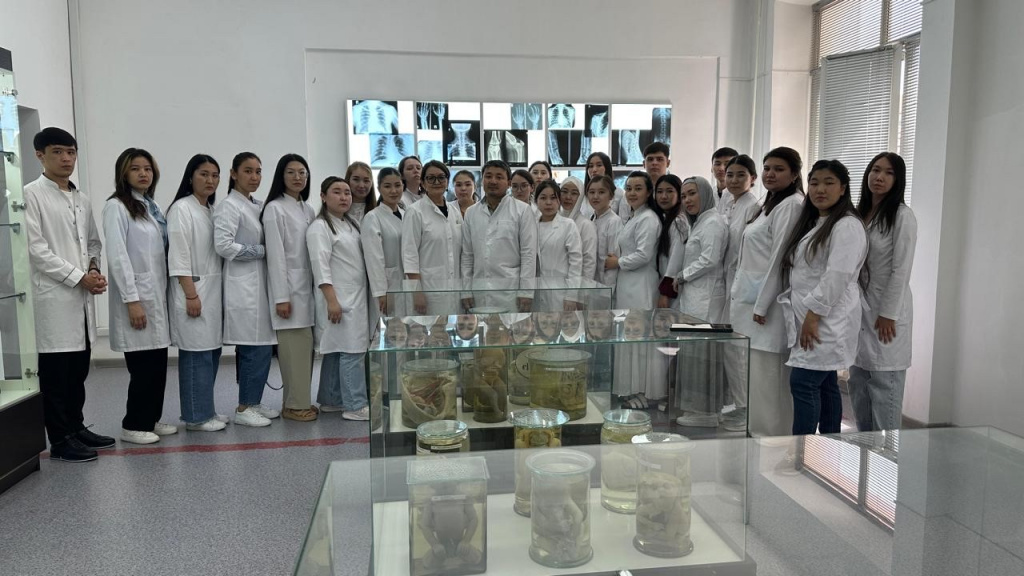
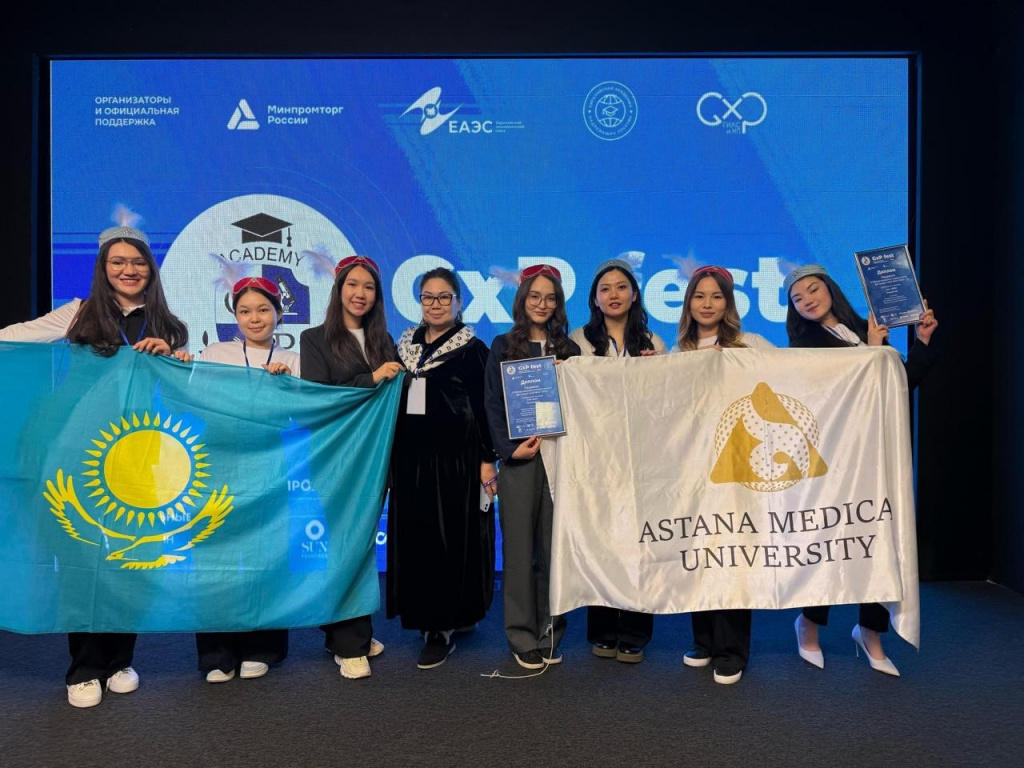
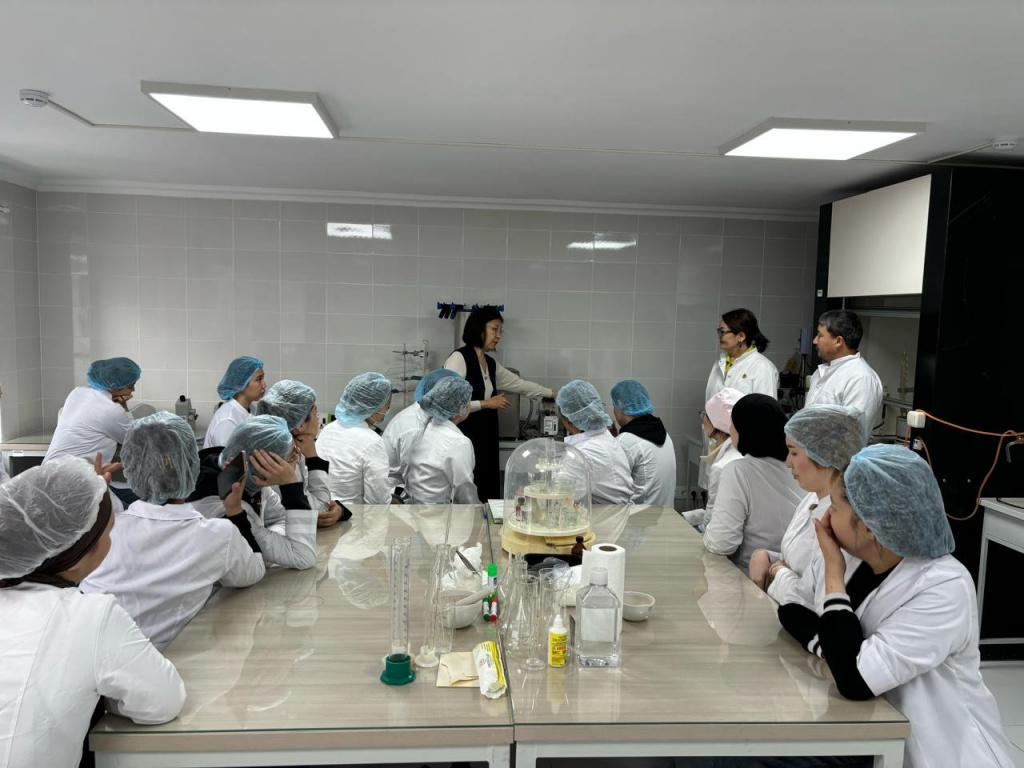
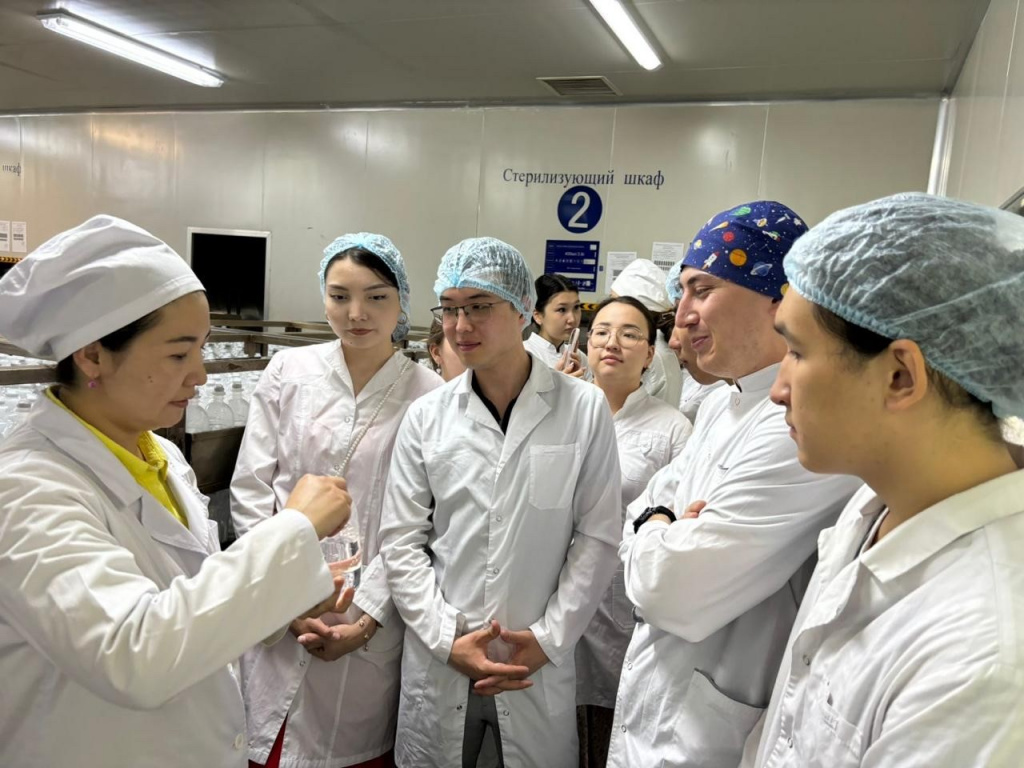
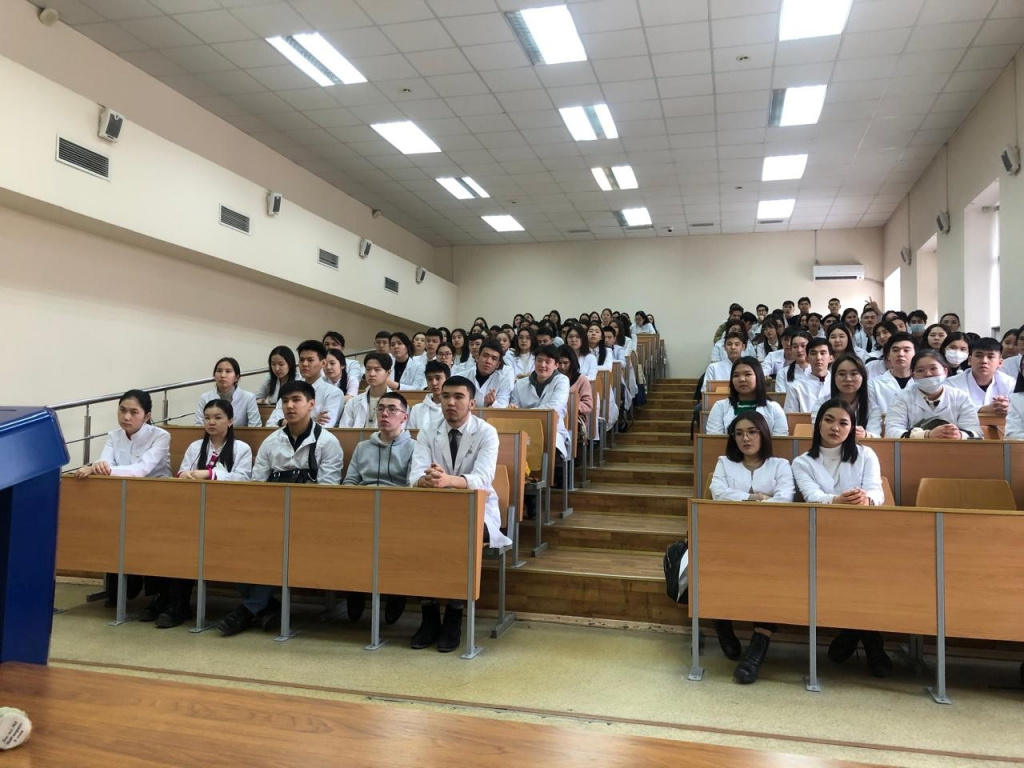
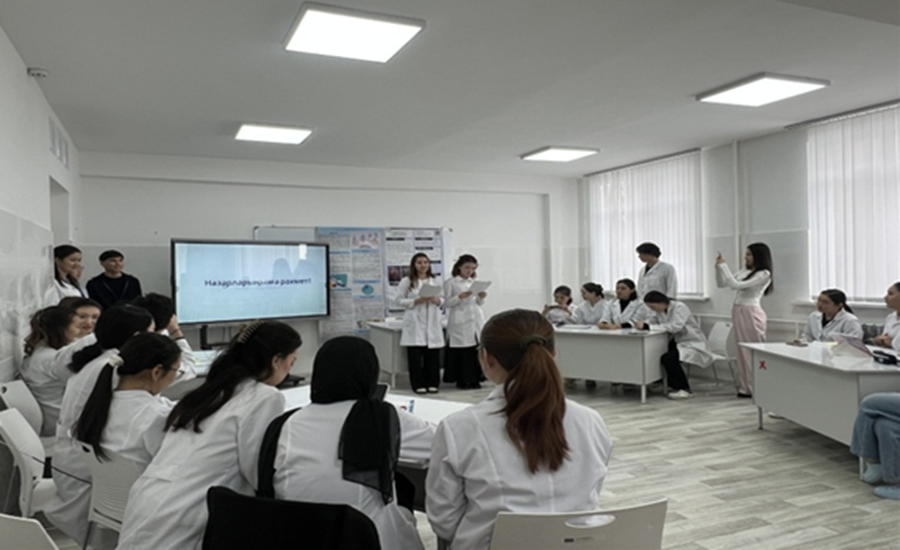
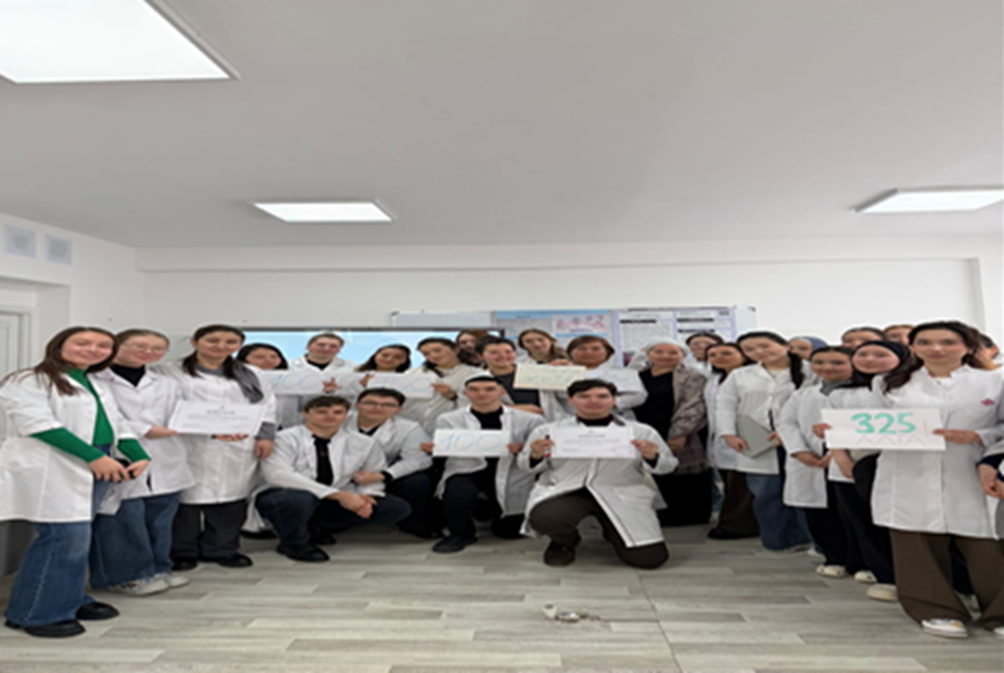
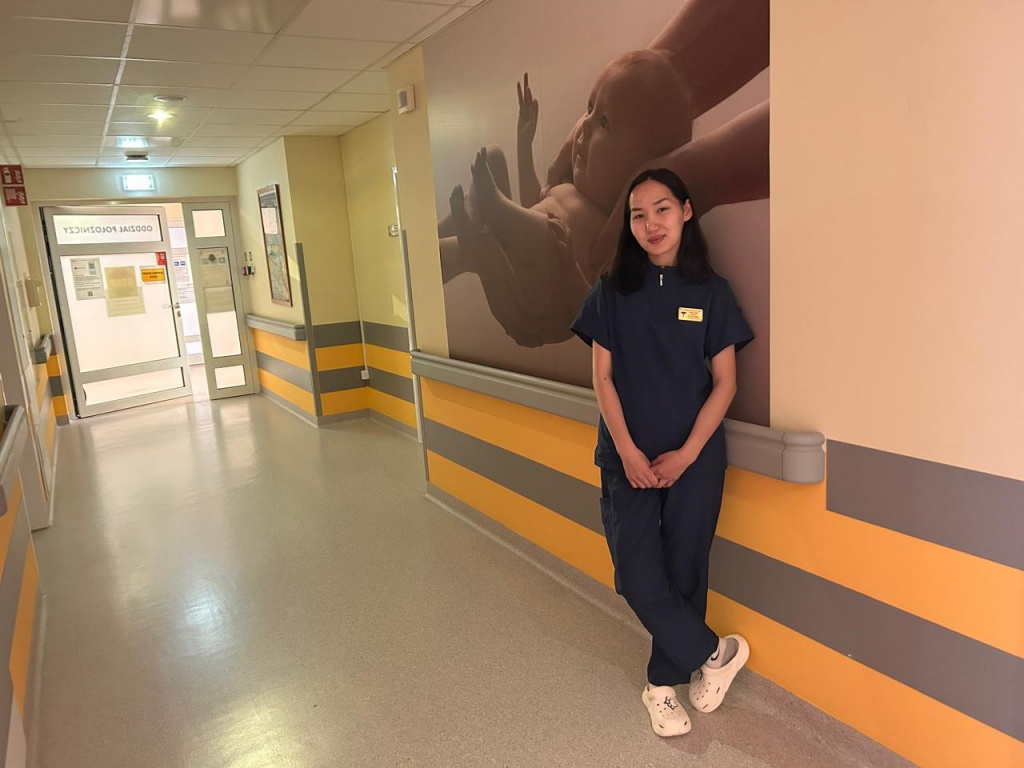
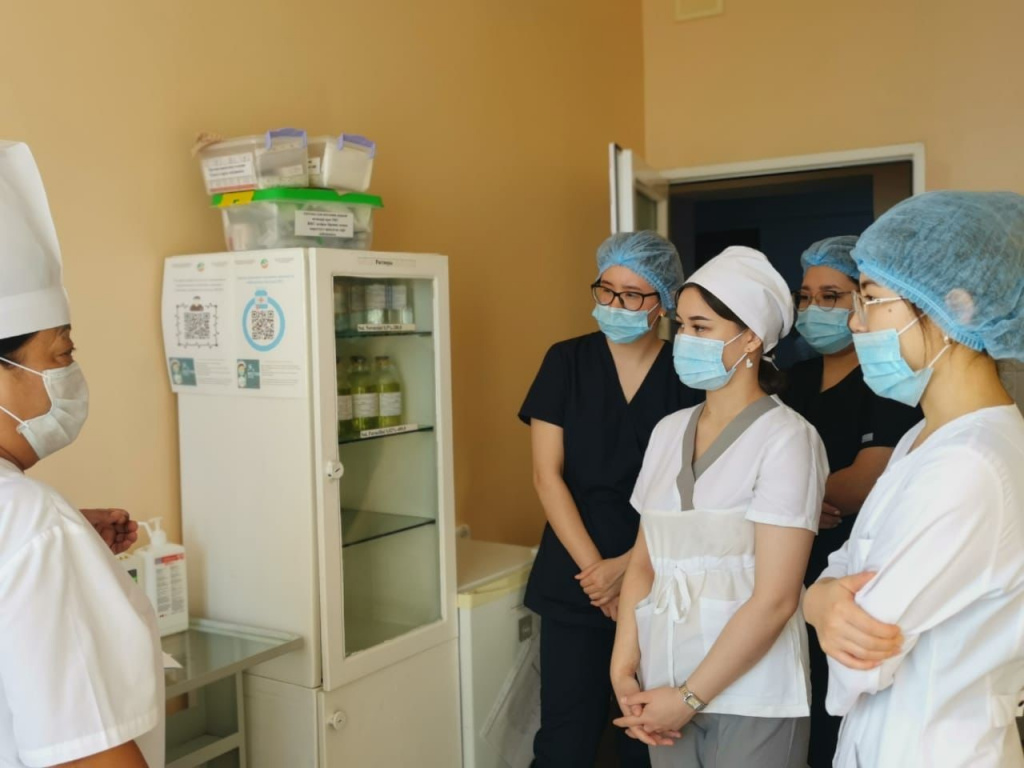
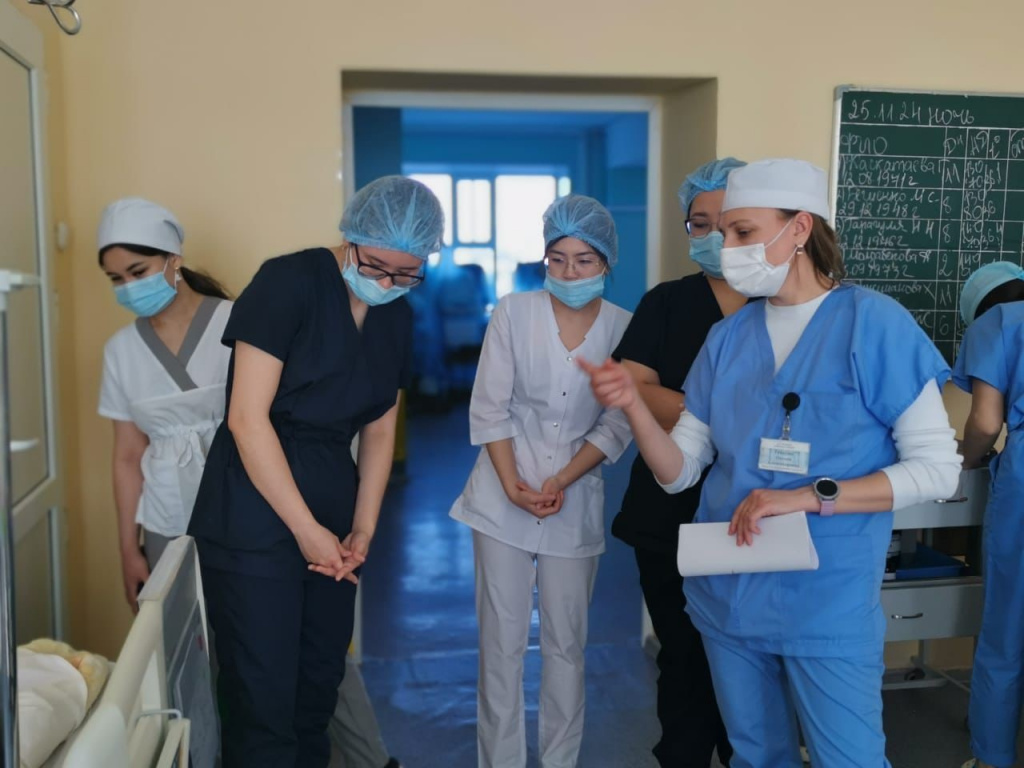
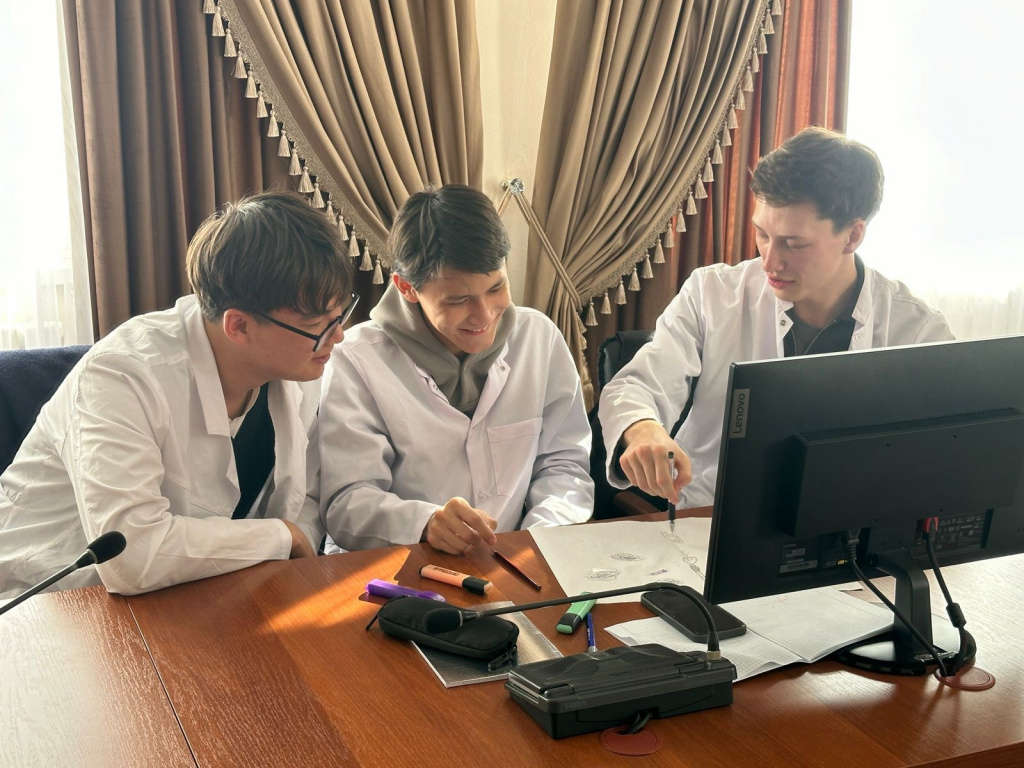
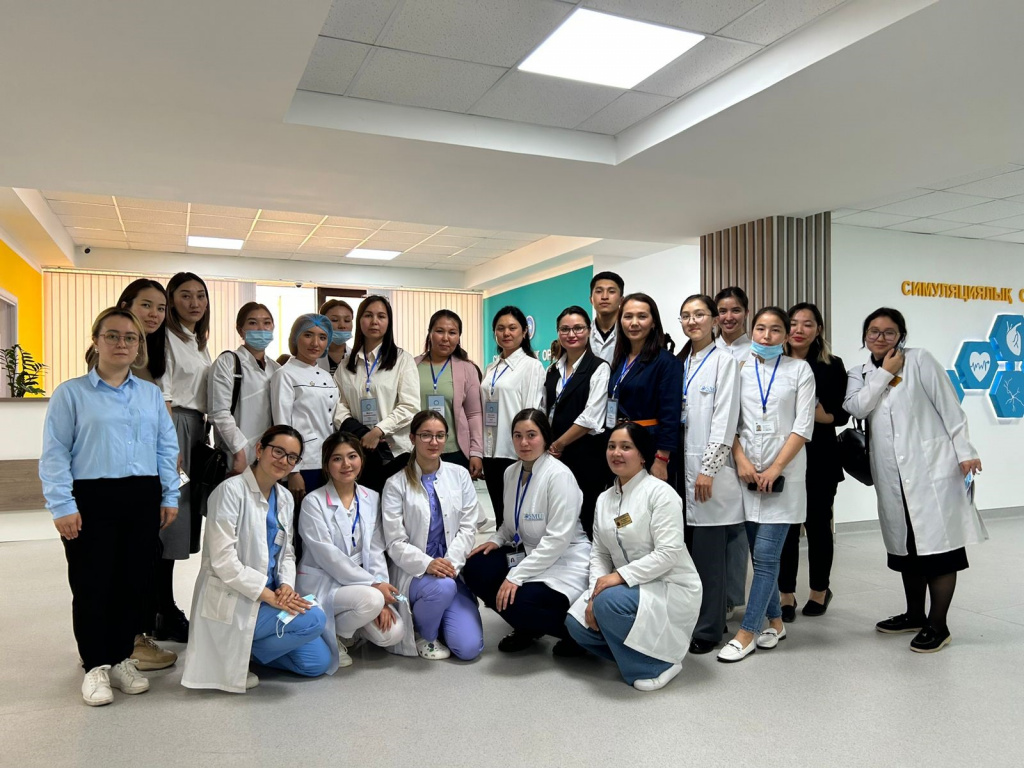
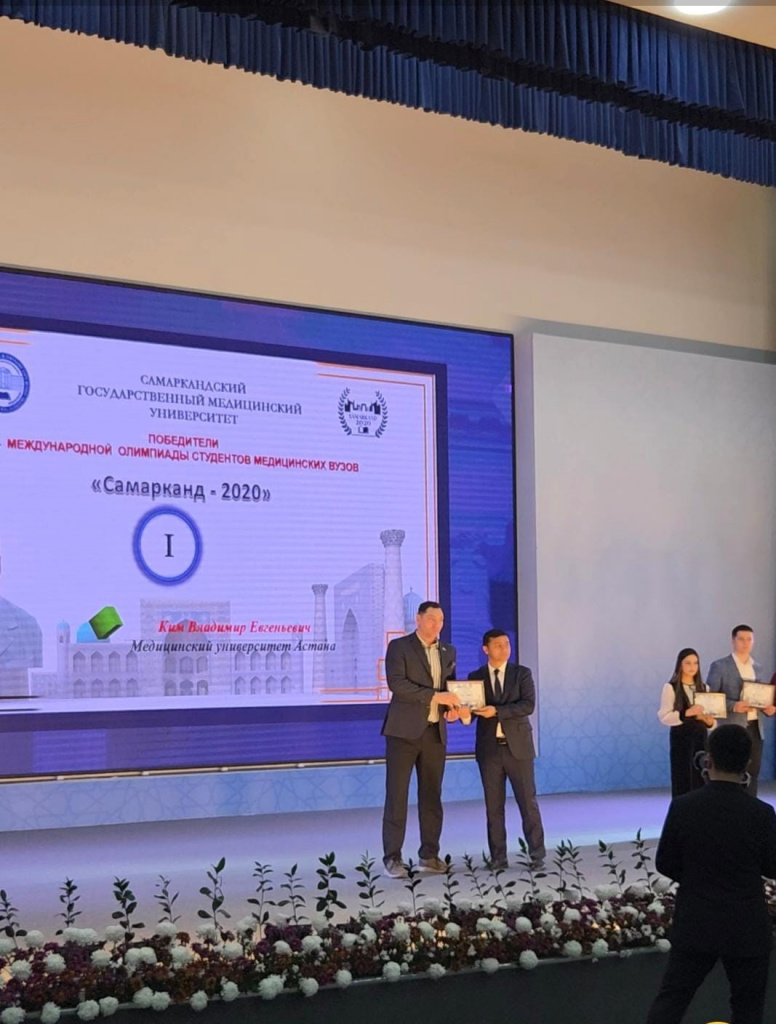
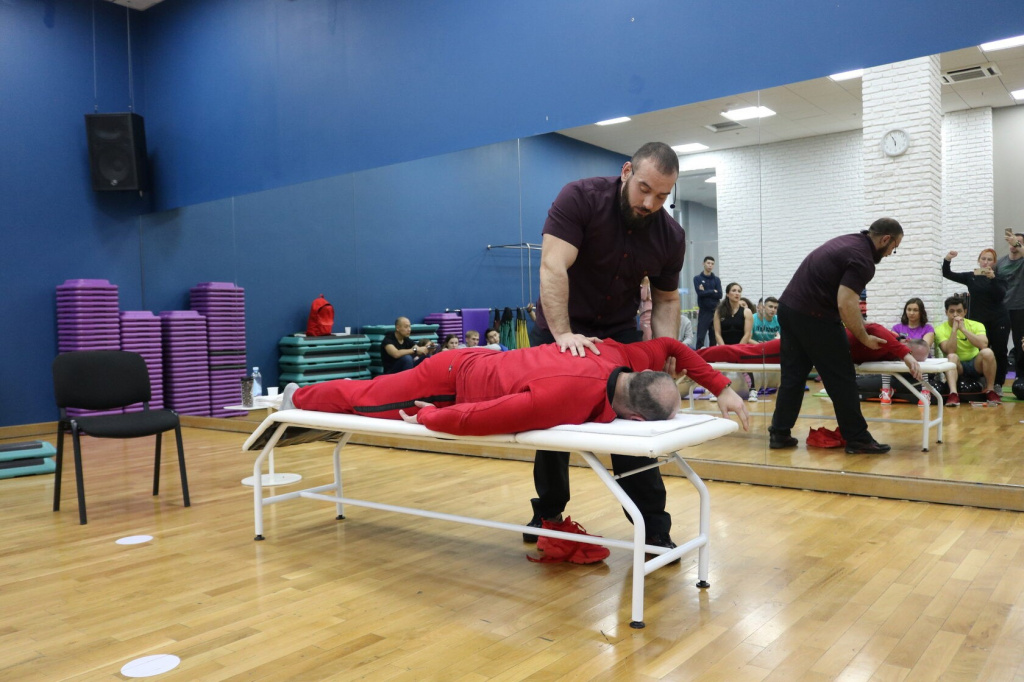
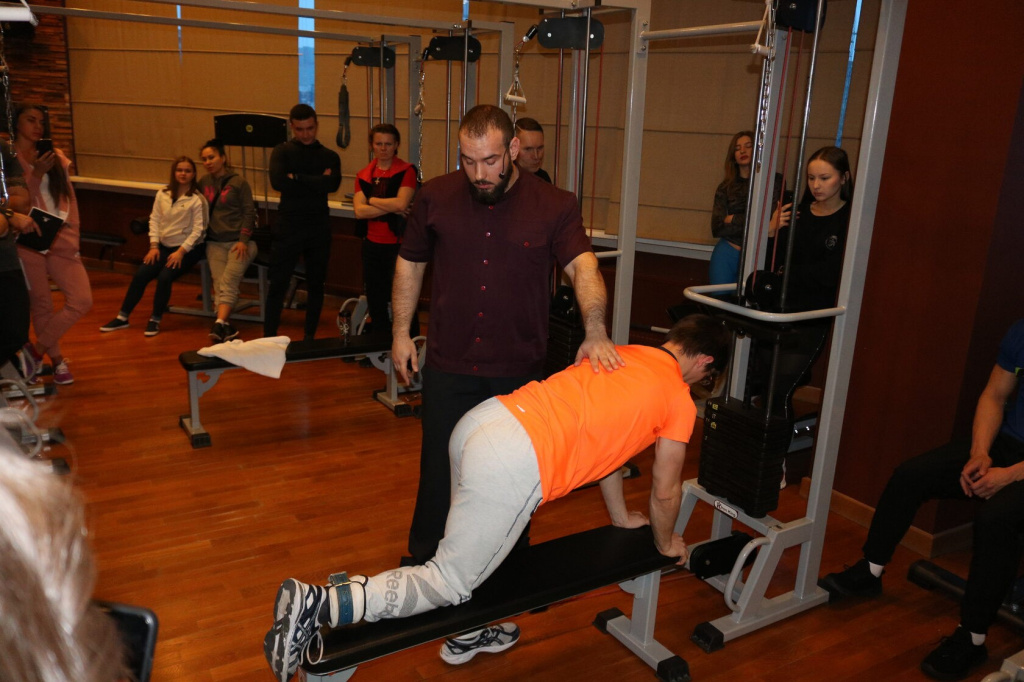
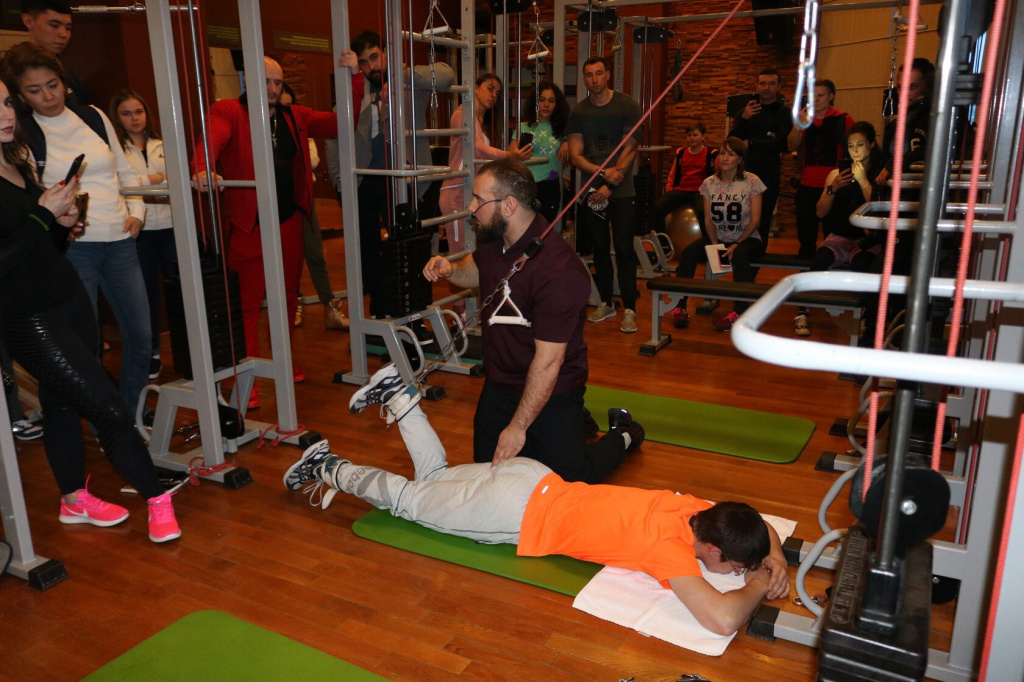
Photos of students (in classes, at events, etc.)